Rick Ness left the show Gold Rush. What was the real reason for his departure?
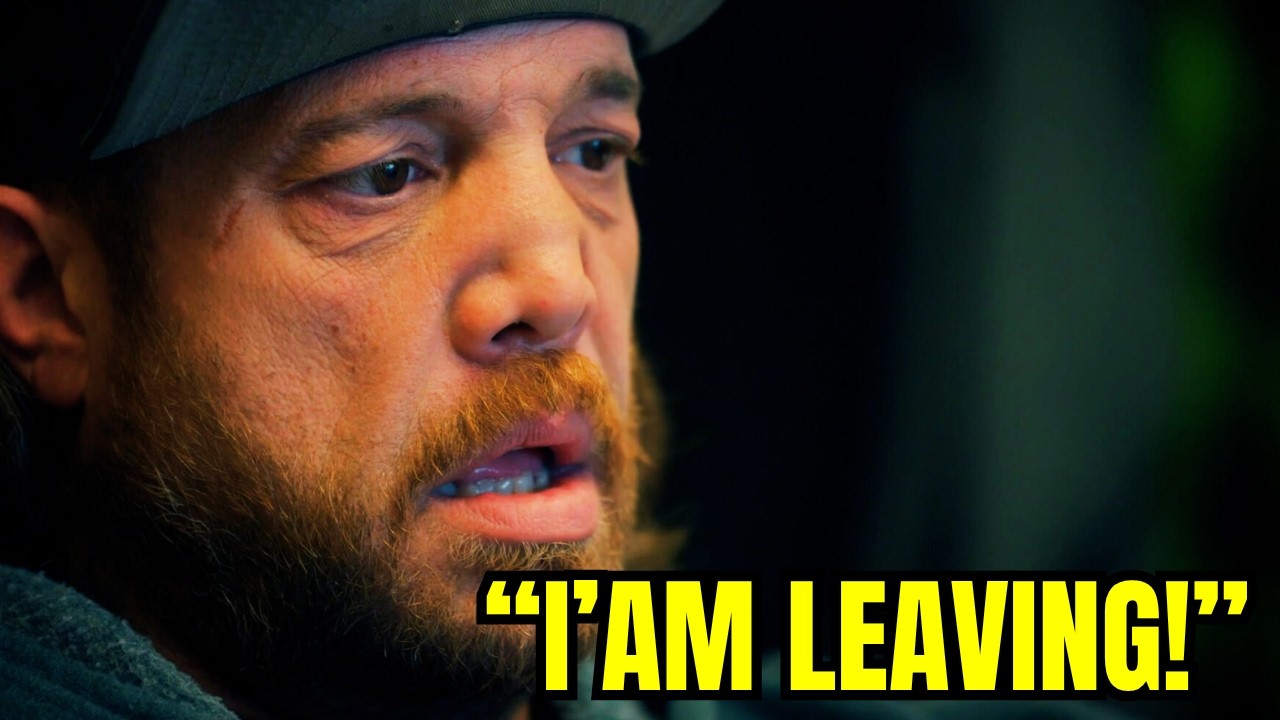
Few figures on Gold Rush have followed a path as uneven, personal, and closely watched as Rick Ness. From his early days as a trusted right-hand man to Parker Schnabel, to stepping out on his own and building a small but fiercely independent operation, Rick has long represented the “everyman” miner of the franchise. That is why recent speculation about him leaving the series has resonated so strongly with fans.
From an analytical standpoint, the question is not simply whether Rick might leave Gold Rush, but why now—and what such a move would mean for both the show and Rick himself.
Why the Exit Talk Has Gained Momentum
Unlike other mine bosses, Rick’s story has never been about scale or dominance. It has been about survival, ownership, and proving that persistence can still matter in a capital-heavy industry. His recent purchase of the Duncan Creek claim was meant to mark a turning point: stability after years of leasing ground and living season to season.
However, ownership brought a new layer of pressure. Regulatory challenges, particularly water licensing constraints, have limited his ability to mine at the scale needed to justify the investment. For a miner without multiple fallback claims, this creates a structural problem that no amount of hard work can instantly solve.
From a production perspective, this places Rick in a uniquely difficult position. Gold Rush thrives on momentum—clear objectives, measurable progress, and operational stakes that play out week by week. A miner forced into regulatory limbo risks being sidelined not by failure, but by paperwork.
A Different Kind of Pressure Than Parker or Tony Face
Comparisons are inevitable. Tony Beets and Parker operate with deep infrastructure, long-standing permits, and multi-claim flexibility. They can absorb slowdowns and redirect crews. Rick cannot.
For the show, this creates an imbalance. Rick’s presence adds emotional weight and relatability, but if his operation cannot move forward in a meaningful way, producers face a difficult choice: focus airtime on uncertainty, or shift attention elsewhere.
From an analyst’s view, this is where exit speculation becomes plausible—not as a personal decision driven by burnout alone, but as a structural consequence of how modern mining actually works.

Would Rick Leaving Hurt Gold Rush?
Narratively, yes. Rick Ness fills a role that no other cast member truly replaces. He is not the biggest operator, nor the loudest personality, but he is the most human. Viewers have seen him struggle, step away, return, and rebuild. That arc has depth that machinery-heavy storylines cannot replicate.
At the same time, Gold Rush has evolved into a show increasingly driven by efficiency, scale, and operational mastery. As gold prices rise and costs increase, the series has leaned further into industrial-level mining. In that environment, smaller, more vulnerable operations are harder to sustain on screen.
Rick leaving would not end the show—but it would quietly remove its most grounded perspective.
What Rick Ness Gains by Stepping Away
If Rick does leave, it would not necessarily signal defeat. In fact, stepping away from the cameras could allow him to do something Gold Rush rarely permits: slow down.
Away from production schedules, Rick could focus on renegotiating permits, restructuring his claim strategy, or even transitioning into a different role within the mining world—consulting, mentoring, or smaller-scale operations that do not require constant visibility.
There is also the personal dimension. Rick has been open about the toll that pressure takes. Choosing stability over exposure may represent growth rather than retreat.
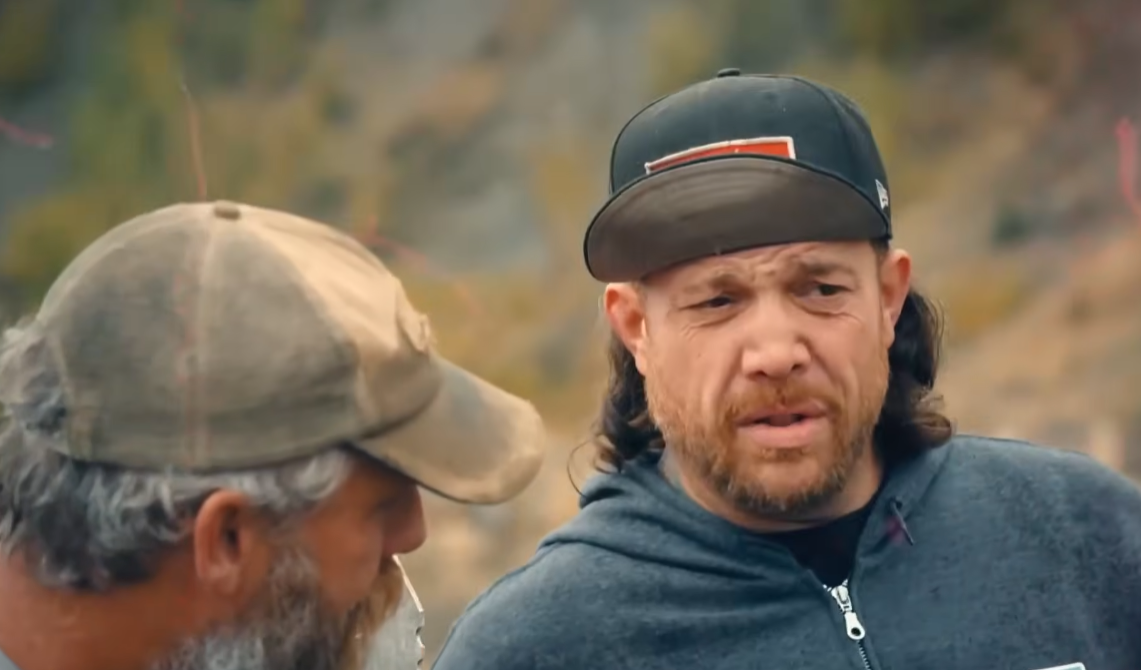
The Most Likely Outcome: A Pause, Not a Farewell
From an analytical perspective, a full and permanent exit feels less likely than a temporary withdrawal. Gold Rush has a history of miners stepping back and returning under different circumstances. Rick’s story is unfinished, and the show understands the value of long-term arcs.
A season off, reduced involvement, or a shift away from full-scale mining could all serve as transitional phases rather than endpoints.
What Fans Should Watch For Next
The real indicator will not be headlines, but logistics. If Rick secures revised permits or finds a way to make Duncan Creek viable, his role on Gold Rush remains intact. If regulatory barriers persist, the show may have little choice but to let his storyline rest.
Either way, Rick Ness’s situation highlights a reality that Gold Rush increasingly reveals: modern gold mining is not just about reading ground or running machines. It is about navigating systems that do not bend easily.
Whether Rick stays or steps away, his journey has already reshaped how viewers understand success on Gold Rush—not as a straight line upward, but as a constant negotiation between ambition, limits, and resilience.