THE DIVORCE THAT NEARLY ENDED JEREMY CLARKSON’S CAREER
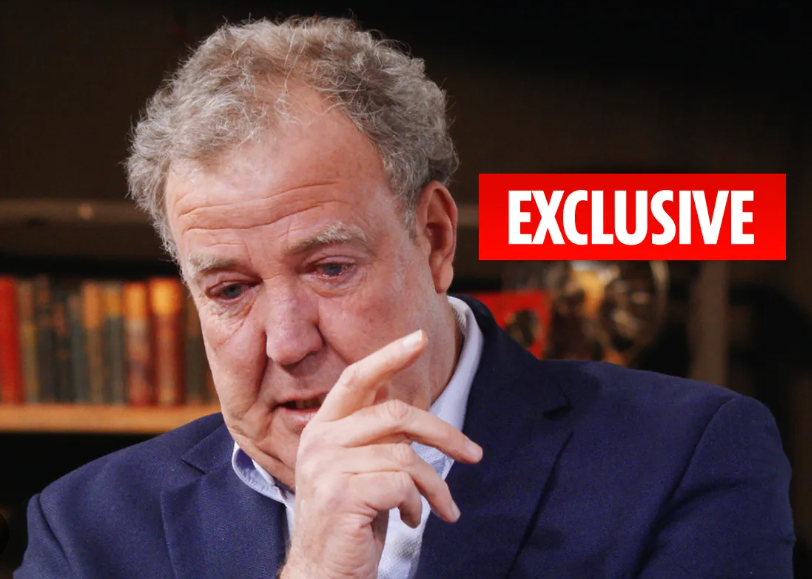
At the height of his fame, Jeremy Clarkson appeared indestructible. As the face of Top Gear, he fronted one of the most successful factual entertainment programmes in television history, reaching audiences of hundreds of millions worldwide. Fast cars, outrageous humour and a carefully cultivated public persona made Clarkson a cultural force. Yet behind that confident exterior, a private crisis was quietly escalating—one that would eventually collide with his professional life and change its direction forever.
Clarkson’s marriage to Frances Cain, his partner of more than two decades and long-time manager, began to fracture under the pressure of relentless fame. The workload was punishing, the scrutiny constant, and the separation between his public image and private reality increasingly difficult to maintain. While Clarkson thrived on confrontation and controversy on screen, those traits proved far less sustainable at home. By 2014, the relationship had ended, and the consequences were not merely emotional. The split marked the loss of a personal anchor at precisely the moment Clarkson’s public standing was becoming more fragile.
At the same time, Clarkson’s relationship with the BBC was deteriorating. Years of boundary-pushing humour had already tested the corporation’s tolerance. Several incidents—some aired, others leaked from production outtakes—sparked public criticism and internal reviews. While Clarkson issued apologies and insisted there was no malicious intent, the cumulative effect was clear: patience was wearing thin. For the first time, Clarkson’s career security was no longer guaranteed.
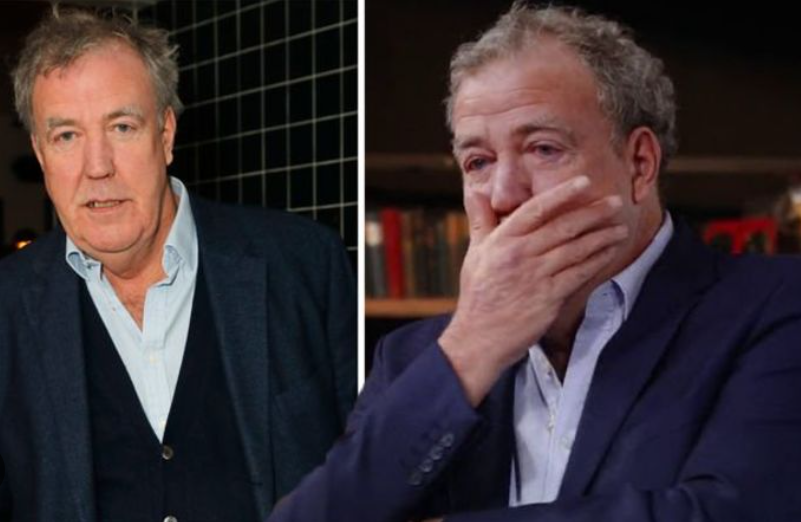
The personal strain intensified when Clarkson’s mother passed away in early 2014, compounding an already volatile period. By his own later admission, he was overwhelmed—physically exhausted, emotionally raw, and increasingly short-tempered. Colleagues noted that while Clarkson maintained his on-screen bravado, the pressure behind the scenes was immense. The separation from his family home, constant media attention, and unresolved professional tensions created an environment where even a minor trigger could have serious consequences.
That trigger arrived in March 2015 during a location shoot for Top Gear. A dispute over catering escalated into a confrontation between Clarkson and a producer. The incident, brief but serious, forced the BBC to act. After an internal investigation, the decision was made not to renew Clarkson’s contract. It marked the end of a 27-year association with the broadcaster and closed the chapter on the era that had defined him.
For Clarkson, the fallout was profound. In the space of a single year, he had lost his marriage, his family home, his mother, and the programme that shaped his public identity. He later described the period as the most difficult of his life, acknowledging that his own behaviour had contributed to the outcome. Publicly contrite, Clarkson resisted attacking the BBC and instead accepted responsibility, a notable shift from his earlier defiant tone.
Many observers assumed this would be the end. Clarkson was inseparable from Top Gear in the public imagination, and the circumstances of his departure cast a long shadow. Yet television, particularly in the emerging streaming era, had other ideas. Within months, Clarkson reunited with long-time collaborators Richard Hammond and James May under a new banner: The Grand Tour, produced for Amazon Prime Video. The move was unprecedented, signalling a shift in how talent and content could migrate beyond traditional broadcasters.
The Grand Tour restored Clarkson to a familiar environment—cars, travel, and spectacle—but the tone subtly reflected experience gained the hard way. While the humour remained sharp, there was a greater awareness of limits. Clarkson himself later acknowledged that the events of 2015 had left a lasting imprint, encouraging restraint where previously there had been none.
The most significant reinvention, however, arrived from an unexpected direction. In 2021, Clarkson launched Clarkson’s Farm, documenting his attempt to run a large working farm in rural Oxfordshire. What began as a light-hearted experiment evolved into a series that revealed a markedly different Clarkson. Viewers saw frustration, failure, and gradual understanding—alongside genuine respect for farmers and rural life. The programme’s success surprised critics and audiences alike, reframing Clarkson not merely as an entertainer, but as a communicator capable of empathy and reflection.
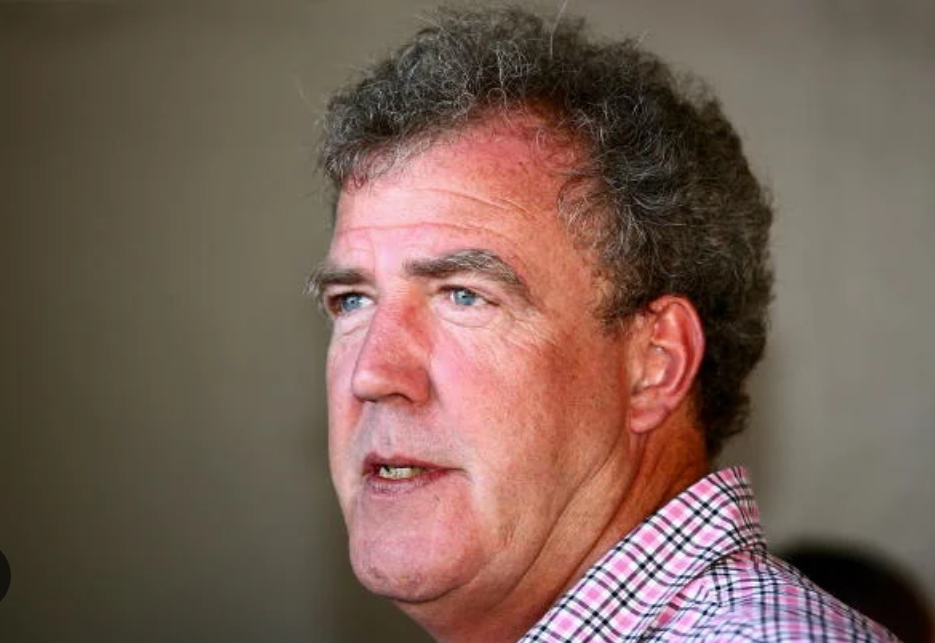
In many ways, Clarkson’s Farm succeeded where previous projects could not. It humanised a figure long defined by provocation, showing growth shaped by personal loss and professional upheaval. Clarkson himself has spoken candidly about finding a sense of purpose in farming that television alone never provided. The work was physically demanding, often humbling, and far removed from the controlled chaos of studio productions.
Looking back, Clarkson’s divorce was more than a private separation; it was the catalyst for a broader reckoning. The collapse of his personal life exposed vulnerabilities that fame had long concealed, and the resulting professional consequences forced adaptation. Rather than ending his career, the period reshaped it. Clarkson emerged older, more reflective, and arguably more versatile than before.
Today, Clarkson’s story stands as a reminder that even the most dominant public figures are not immune to personal strain. His career did not survive unchanged—it evolved. And while the scars remain, they are now part of a narrative defined not solely by controversy, but by reinvention.