Prince William meets Clarkson’s Farm star to discuss challenges the industry is facing
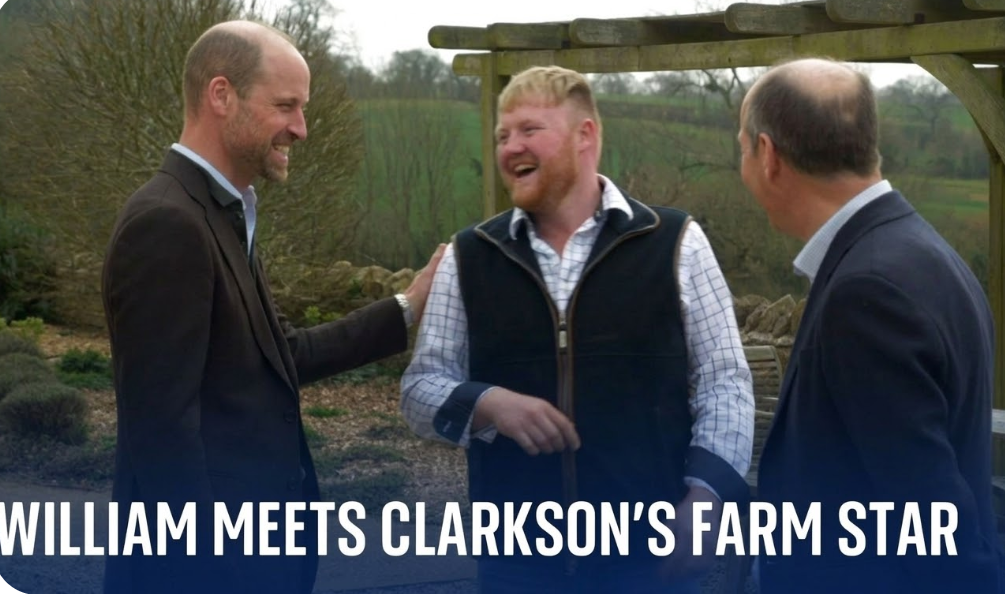
Kaleb Cooper, widely known as Jeremy Clarkson’s outspoken farm manager on the popular series Clarkson’s Farm, has recently stepped into a much larger national conversation about the future of agriculture. Appearing alongside Prince William at a public event focused on rural life, Cooper used the opportunity to speak openly about the growing pressures facing farmers across the United Kingdom.
The appearance drew significant attention, not only because of Cooper’s popularity with viewers but also because it placed the young farmer at the center of an important discussion about mental health and sustainability within the farming industry.
From Farmhand to Public Voice
Kaleb Cooper’s rise to public recognition has been rapid. Once known only within his local farming community in the Cotswolds, Cooper became a household name after starring alongside Jeremy Clarkson in Clarkson’s Farm, the Amazon Prime series that follows the challenges of running Diddly Squat Farm.
With his blunt honesty and deep agricultural knowledge, Cooper quickly became one of the show’s standout figures. Today, his social media platforms attract millions of followers who tune in to hear his candid views on farming life.
That popularity has also turned him into an unexpected advocate for the farming community.
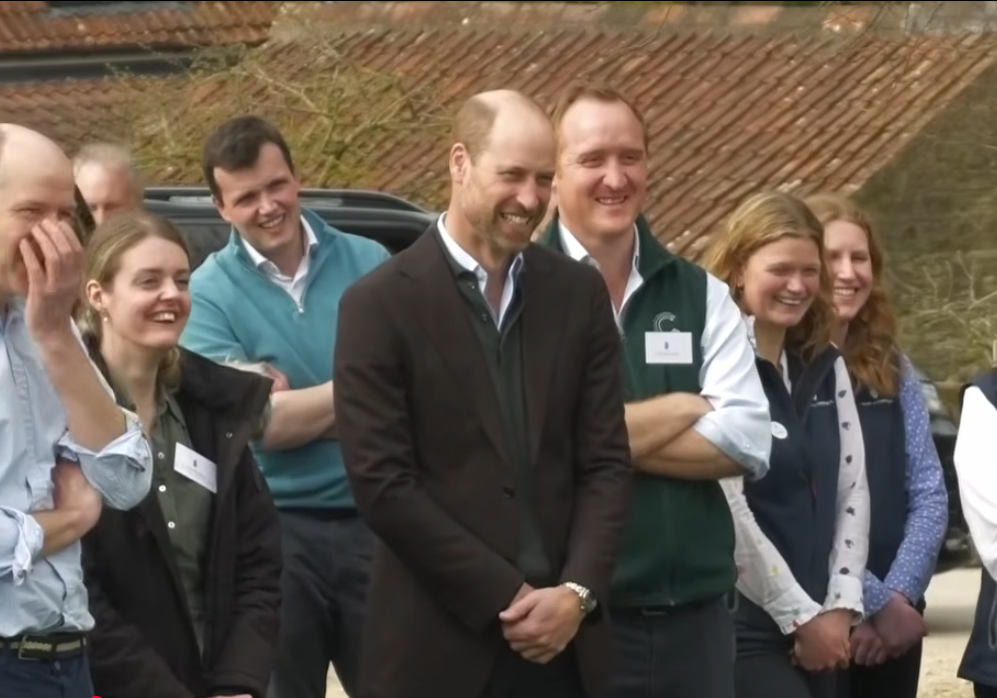
At the recent event, Cooper spoke alongside Prince William, who has increasingly shown interest in rural and environmental issues. The discussion focused on the challenges farmers face and the importance of maintaining a sustainable agricultural sector in the years ahead.
Speaking About Mental Health in Farming
One of the central themes Cooper addressed was the emotional pressure that farmers often experience.
“Farmers are really good problem solvers,” Cooper explained. “But sometimes they solve the problem and then carry the stress themselves.”
He noted that the constant responsibility of managing crops, livestock, finances, and unpredictable weather can create intense pressure.
“That’s where mental health issues can come from in the farming industry,” he said.
For Cooper, speaking openly about these challenges is essential. Farming has traditionally been a profession where people are reluctant to talk about personal struggles, but he believes that culture is slowly changing.
Raising awareness, he added, is an important first step.
Concerns About the Future of Agriculture
The conversation also turned to broader concerns about the future of farming in the United Kingdom.
Many farmers are currently facing economic uncertainty as agricultural costs continue to rise while profit margins remain tight. Changes in government support programs and shifting environmental policies have added further complexity.
Land agent Charlie Ireland, who also appears in Clarkson’s Farm, explained that agriculture has been caught in a difficult economic period.
“We’ve had some turbulent times in the economy,” Ireland said. “Farming has been caught up in that.”
According to him, cash flow has become one of the biggest challenges.
“Cash flows are tight on farms,” he said. “And they’re tight within government too.”
Those financial pressures are felt daily by farmers trying to maintain operations while adapting to changing regulations and unpredictable weather conditions.
A Lifetime in Agriculture
For Cooper, the challenges facing farming are deeply personal.
He began working in agriculture when he was just twelve years old and has spent much of his life learning the realities of rural work.
“I’ve seen farming growing up,” he said. “There are so many challenges every day.”
Those challenges range from political decisions affecting agricultural policy to natural forces such as rainfall, drought, and crop diseases.
For farmers, he explained, every season brings a new set of uncertainties.
Finding Simple Ways to Connect
Despite the seriousness of the issues being discussed, Cooper also shared a simple but effective idea he has used to help farmers open up about their experiences.
When he noticed that some farmers were reluctant to talk about stress or personal concerns, he introduced an unexpected solution: a game of darts.
“I started talking to these farmers and they wouldn’t open up,” he said. “So I thought, I’m going to get a game of darts going.”
The idea worked.
“Suddenly everyone joined in, and people started talking openly,” he explained.
The experience highlighted how small social activities can help create space for conversation, especially in communities where people often focus primarily on work.
Prince William’s Interest in Rural Life
Prince William’s involvement in the discussion reflects a growing interest within the royal family in environmental and agricultural issues.
Although his public role limits the extent to which he can comment directly on specific policies, his engagement with farmers has helped bring attention to the challenges facing rural communities.
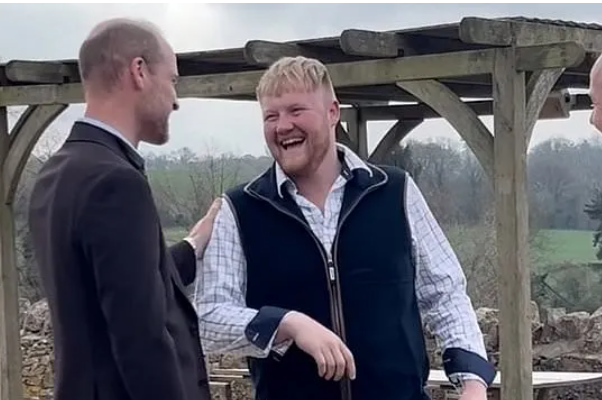
For Cooper and others attending the event, the opportunity to speak directly with the prince was an important moment.
It also demonstrated how agricultural issues are gaining visibility beyond the farming sector itself.
Clarkson’s Farm Continues to Influence the Conversation
The popularity of Clarkson’s Farm has played a significant role in bringing agricultural realities to a wider audience.
Through Clarkson’s experiences running Diddly Squat Farm, the series has highlighted many of the challenges farmers encounter, from regulatory hurdles to weather disruptions and financial risks.
Cooper’s role on the show has helped viewers understand the practical side of farming while also adding humor and personality to the series.
His recent appearance alongside Prince William shows how the influence of the program now extends beyond entertainment.
Looking Ahead
As discussions about the future of agriculture continue, voices like Kaleb Cooper’s are becoming increasingly important.
By sharing his experiences openly, he is helping to highlight both the difficulties and the resilience of the farming community.
And as Cooper himself often reminds audiences, the importance of farming extends far beyond the countryside.
“We need a farmer three times a day,” he said, referring to the meals people depend on every morning, afternoon, and evening.
In other words, the future of farming is not just a rural issue—it is something that affects everyone.