Kaleb Cooper reveals exciting new details about the upcoming season 5 – something that will surprise fans.
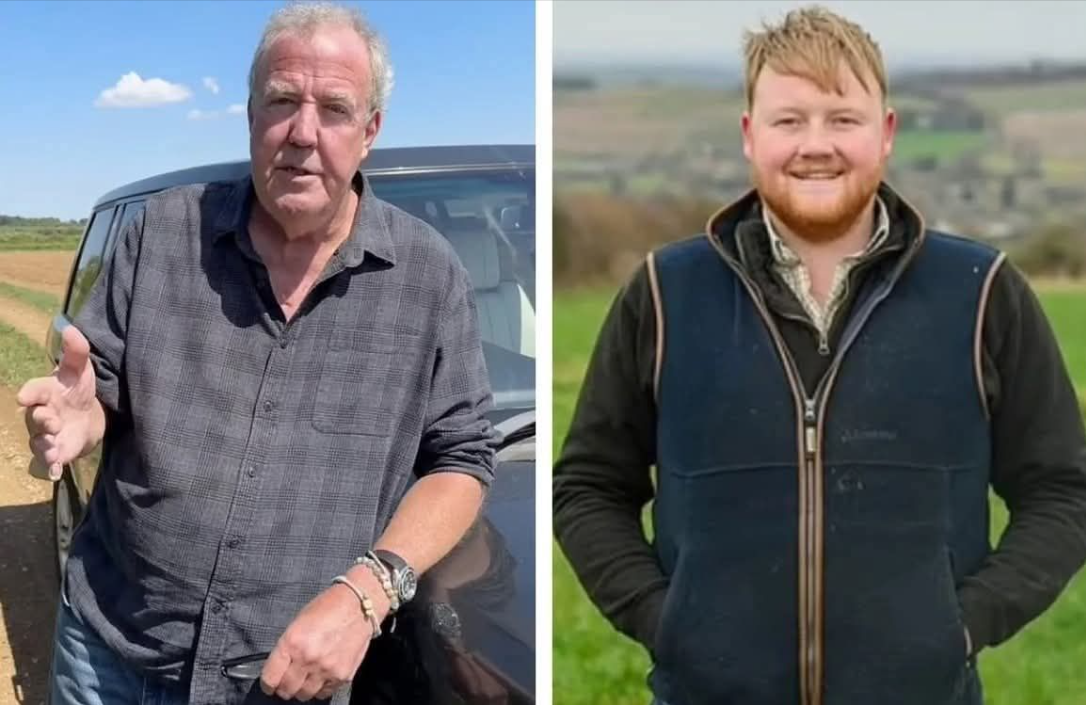
From the outside, Clarkson’s Farm has always looked like a straightforward fish-out-of-water story: a former motoring presenter wrestling with sheep, tractors, and British bureaucracy. But by the time the series reaches its upcoming fifth season, it has evolved into something more layered — and Kaleb Cooper now sits at the centre of that evolution.
Recent comments from Cooper, teasing “interesting new details” about Series 5, may sound modest on the surface. Yet for anyone who follows the programme closely, they hint at a subtle but important shift in how the show will frame both its farming narrative and its characters.
Kaleb Cooper’s changing role
When Clarkson’s Farm first aired, Kaleb Cooper was introduced as the blunt, young local contractor tasked with keeping Jeremy Clarkson grounded in agricultural reality. His job was practical: make sure crops were drilled correctly, livestock managed properly, and Clarkson’s enthusiasm did not collide too violently with farming fundamentals.
By Series 4, however, Cooper’s role had expanded. He was no longer simply the corrective voice on the farm; he was increasingly presented as a decision-maker in his own right, balancing loyalty to Diddly Squat with ambitions beyond it. The “new details” he has now referenced appear to push that trajectory further.
What stands out is that Cooper has not framed Series 5 as merely “more of the same”. Instead, he has suggested viewers will see aspects of farm life — and his own responsibilities — that have not previously been explored on screen.
A broader farming focus
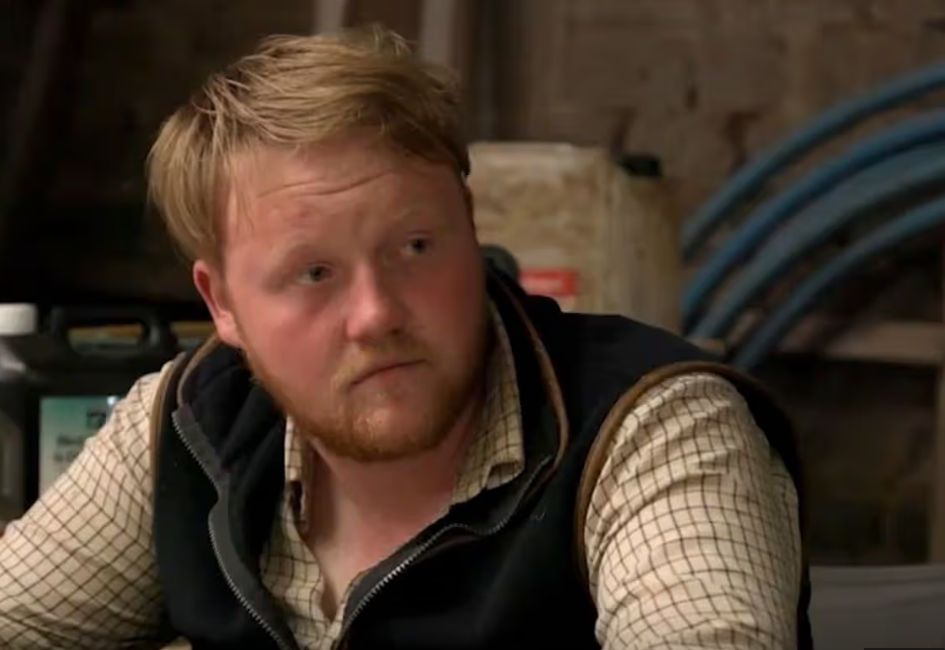
One likely development is a deeper look at contracting work beyond the immediate boundaries of Diddly Squat Farm. In earlier seasons, Cooper’s off-farm commitments were mentioned only in passing. If Series 5 expands on this, it could offer a clearer picture of how modern farming professionals actually survive financially.
This would align with the show’s gradual move away from novelty and towards realism. Clarkson’s learning curve remains important, but the audience has matured alongside him. There is growing appetite for understanding how farms operate as businesses, not just as picturesque backdrops for television.
For Cooper, this could mean showcasing larger-scale operations, more complex machinery decisions, and the pressures of time management during peak agricultural periods. Such content would reinforce his credibility not just as a television personality, but as a serious figure within British farming.
Shifting dynamics with Clarkson
Another area to watch closely is the evolving dynamic between Cooper and Clarkson himself. Their on-screen exchanges have always relied on contrast: youth versus age, precision versus improvisation. Yet recent seasons have softened that divide.
Clarkson now defers to Cooper more openly, and Cooper, in turn, appears more confident challenging decisions that affect productivity or costs. If Series 5 builds on this, viewers may see fewer comic misunderstandings and more genuine disagreements rooted in experience.
That does not mean the humour disappears. Rather, it becomes grounded in reality — the kind of dry, situational humour that emerges naturally when two people with different priorities are forced to work towards the same outcome.
New pressures behind the scenes
Cooper’s hints also suggest that Series 5 will not shy away from pressures facing young farmers today. Rising costs, unpredictable weather patterns, and regulatory complexity have all featured before, but often through Clarkson’s frustration.
This time, the lens may shift. Seeing those pressures through Cooper’s perspective — someone who intends to build a long-term future in agriculture — changes the emotional weight of the story. Decisions are no longer experiments; they are investments in a career.
Such a shift could make Series 5 feel more personal, particularly as Cooper balances professional ambition with family life and public attention brought by the show’s success.
What this means for the series
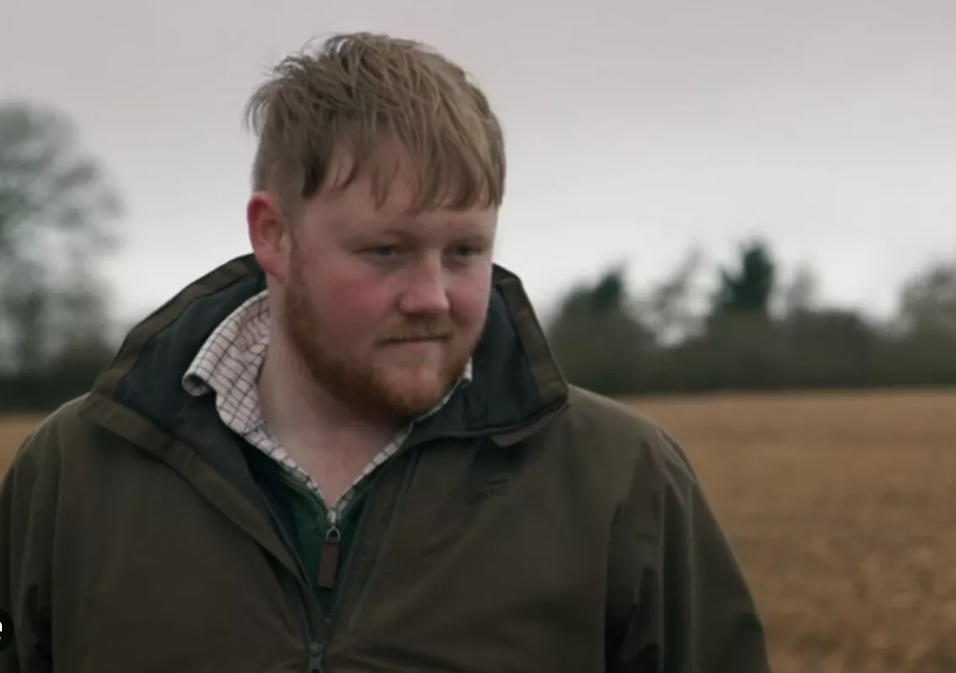
From an analytical standpoint, these developments suggest Clarkson’s Farm is entering a more reflective phase. The early appeal of “can Clarkson survive farming?” has largely been answered. The more compelling question now is how farming itself adapts, survives, and evolves — and Cooper is the ideal conduit for that story.
By positioning him as both guide and protagonist, the series broadens its relevance. It moves beyond celebrity experiment into a commentary on rural Britain, generational change, and the economics of food production.
For Prime Video, this is a sensible progression. It keeps the format fresh without abandoning the personalities audiences have invested in.
Looking ahead
If Kaleb Cooper’s remarks are any indication, Series 5 will not rely on spectacle or novelty. Instead, it appears set to deepen the narrative, placing greater emphasis on responsibility, expertise, and long-term planning.
That approach may not produce louder moments, but it could deliver something more enduring: a clearer understanding of why farming matters, and why voices like Cooper’s are increasingly central to that conversation.
For viewers, the promise of Series 5 lies not in surprise, but in insight. And if Cooper’s growing influence continues, Clarkson’s Farm may prove that its most important story was never just about Jeremy Clarkson at all.