Jeremy Clarkson Faces Multi-Million Pound Blow as New Inheritance Tax Rules Hit Diddly Squat Farm
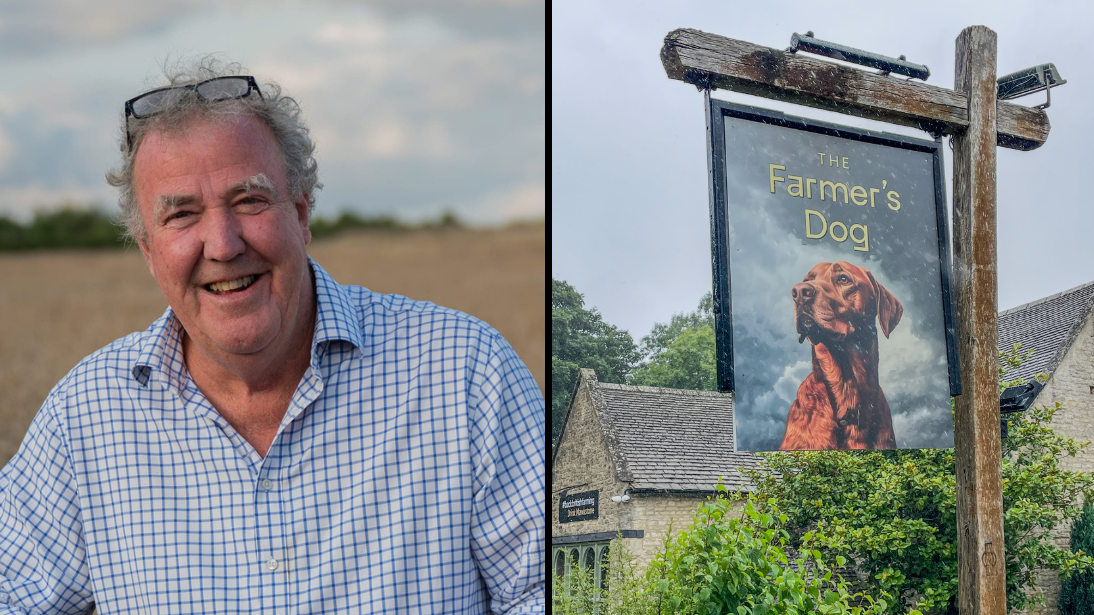
Jeremy Clarkson has built a second career in the rolling fields of Oxfordshire, transforming Diddly Squat Farm from a television experiment into a nationally recognised agricultural enterprise. Yet a recent change in government policy could significantly alter the financial future of the property — and the legacy he once assumed would pass smoothly to his children.
Under reforms announced by Chancellor Rachel Reeves in the autumn budget, the longstanding inheritance tax advantages attached to agricultural land are being revised. From 6 April 2026, farms valued above £1 million will no longer qualify for full Agricultural Property Relief. Instead, relief will apply at 100 per cent on the first £1 million of combined agricultural and business property, with a 50 per cent rate beyond that threshold — effectively creating a 20 per cent inheritance tax liability on the remainder.
For Clarkson, whose 1,000-acre Cotswolds estate is reportedly valued at around £13.5 million, the implications are substantial. Based on current figures, the potential inheritance tax bill could run to approximately £2.5 million when the property is eventually transferred to the next generation.
A Farm Under the Spotlight
Clarkson, 64, purchased the land years before Clarkson’s Farm brought it into the public eye. Since 2019, however, the farm has become the centrepiece of a Prime Video series documenting his transition from motoring presenter to working farmer.
Across multiple seasons, viewers have watched Clarkson navigate crop failures, livestock challenges, local planning disputes and the economics of running a modern farm. The programme has proved popular both in the UK and internationally, with further seasons already commissioned for 2025 and 2026.
The venture has extended beyond crops. Clarkson opened The Farmer’s Dog pub nearby, reportedly investing around £1 million in the project. He has also spoken publicly about health issues that briefly interrupted his filming schedule, underscoring how personal the farming chapter has become.
A Policy Shift with Wide Impact
Before the budget announcement, agricultural land benefitted from generous inheritance tax treatment, often allowing family farms to pass between generations without immediate tax liability. Ministers argue that reform is necessary to address public finance pressures and ensure fairness in the tax system.
The Treasury has stated that full relief will remain in place for the first £1 million to “help protect family farms and businesses,” but critics contend that land values in many rural areas mean even modest holdings can exceed that threshold on paper.
Clarkson has previously acknowledged that farmland carried financial advantages under the old system. Writing in his Sunday Times column, he once noted that the absence of inheritance tax on agricultural property was among the reasons he valued owning a farm.
Following the budget, his response on social media was brief. Posting on X, he wrote: “Rachel Reeves. I literally daren’t comment.”
Beyond One Farm
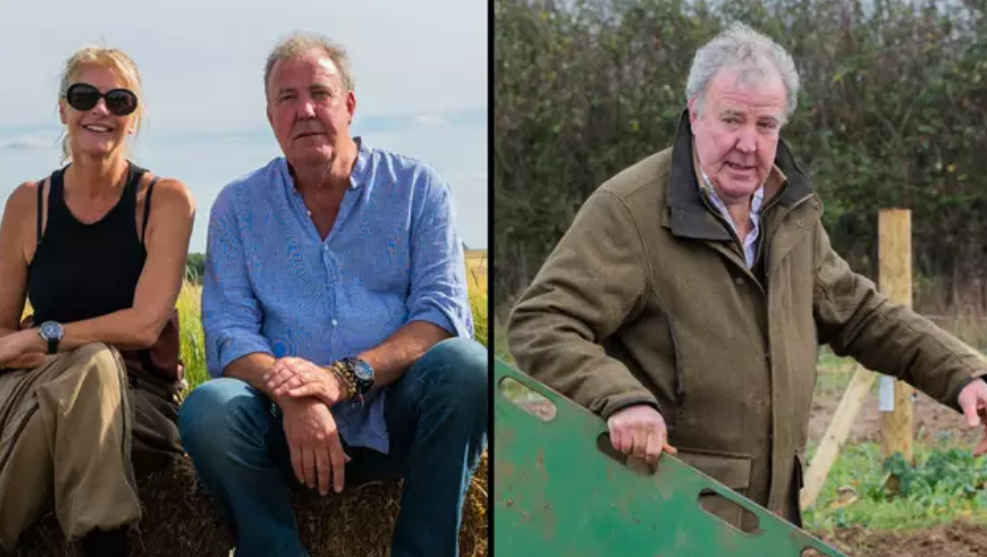
While the headlines focus on Clarkson, the rule change affects a far broader section of the rural economy. Agricultural land prices have risen sharply in recent years, driven by demand for food production, environmental schemes and investment diversification. As a result, many multi-generational farms now carry valuations well above £1 million, even where annual profit margins remain narrow.
Farming organisations have warned that inheritance tax liabilities could compel some families to sell parcels of land in order to settle estates, potentially fragmenting long-held farms. Supporters of reform counter that the revised structure still provides significant relief compared with other asset classes.
Clarkson has increasingly positioned himself as an advocate for British agriculture. Through television and commentary, he has highlighted the financial volatility farmers face, from fluctuating crop prices to rising input costs for fuel and fertiliser. The inheritance tax change adds another variable to that equation.
Balancing Business and Legacy
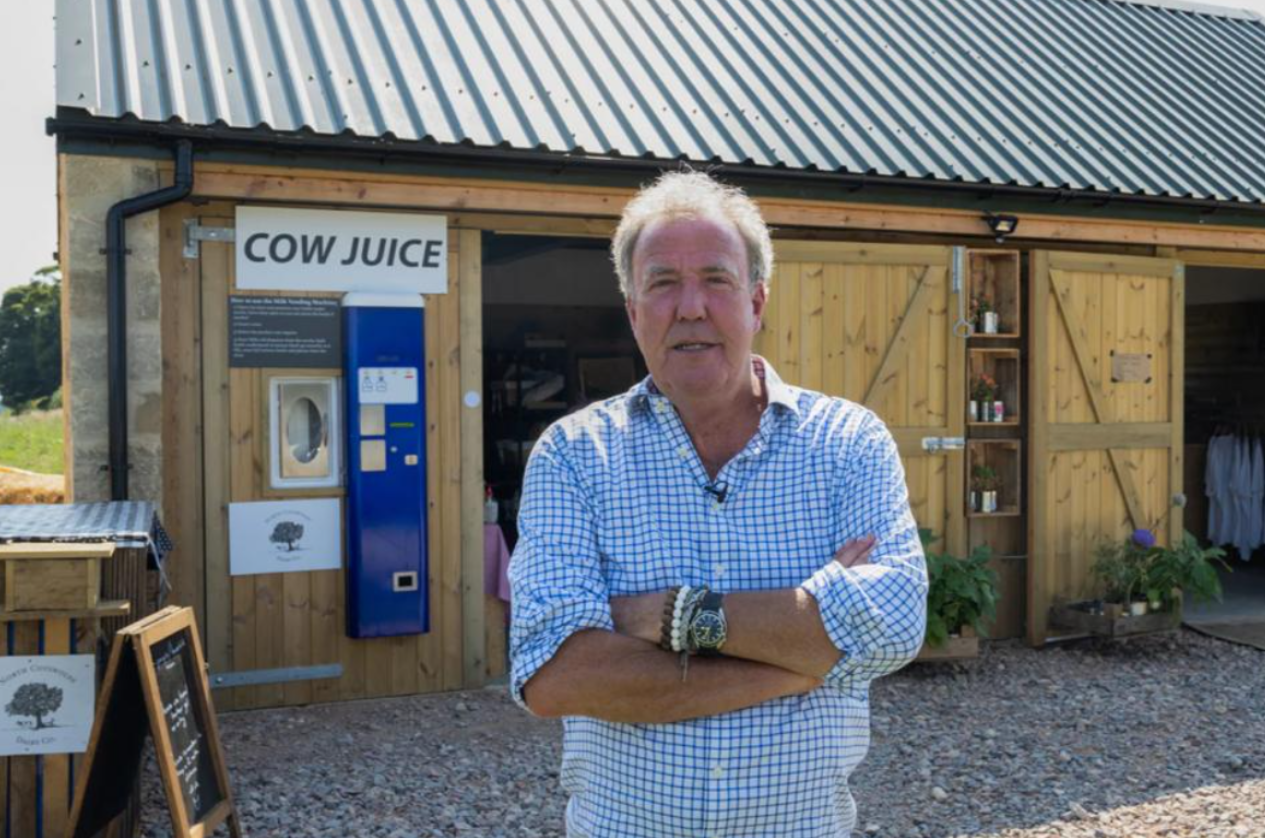
Diddly Squat Farm is not merely a filming location; it operates as a commercial agricultural enterprise producing crops and livestock. The programme has shown Clarkson grappling with the realities of weather dependency, regulatory compliance and thin margins.
For Clarkson and his partner, Lisa Hogan, the revised inheritance framework introduces long-term planning questions. Estate strategies may need adjustment to accommodate the forthcoming rules, particularly given the policy’s start date in April 2026.
Financial advisers have noted that landowners across the country are reviewing succession plans in light of the changes. Options may include restructuring ownership, phased transfers, or diversification into business activities that qualify for alternative reliefs.
A Changing Landscape
Clarkson’s journey from high-performance cars to harvest yields has been marked by candour and controversy in equal measure. The inheritance tax reform now places him at the centre of a broader debate about how the state balances fiscal responsibility with the preservation of rural enterprises.
Whether Diddly Squat remains intact for future generations may depend less on crop success and more on legislative arithmetic in Westminster. For Clarkson, who once described the farm as something his children would value as much as he did, the numbers have shifted.
As Britain’s tax landscape evolves, one of its most visible farmers faces a new challenge — not in the field, but on the balance sheet.