Parker Schnabel Reveals The Salaries Of ‘Gold Rush’ Crew Members.
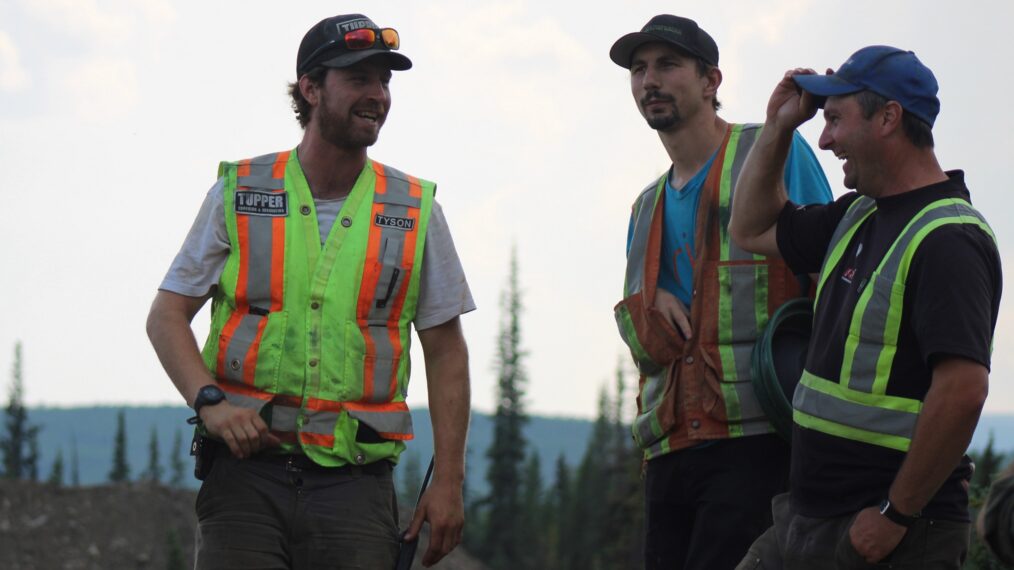
For years, viewers of Gold Rush have speculated about one of the show’s most persistent mysteries: how much do the miners actually earn? The cameras capture roaring wash plants, endless mud, and punishing shifts in the Yukon, but wages are rarely discussed on screen. Now, that long-running debate has been addressed directly by the man at the centre of one of the show’s most successful operations, Parker Schnabel, offering a rare and detailed breakdown of what his crew takes home each season.
Schnabel’s rise has been one of the defining stories of the series. Introduced to audiences as a teenage mine boss learning the trade under intense pressure, he has since built an operation that consistently ranks among the highest gold producers on the show. His reputation for discipline, efficiency, and relentless work ethic has made him a reference point for fans trying to understand the real economics of modern placer mining. Yet while gold totals are celebrated at the end of each season, the human cost—and compensation—behind those numbers has often remained unclear.
That changed after Schnabel participated in an online discussion responding to claims that miners were paid surprisingly little for such demanding work. Rather than deflecting the question, he laid out the figures in plain terms. According to Schnabel, most new hires on his crew begin at around $28 an hour. On the surface, that might not sound extraordinary, especially given the risks and physical strain involved. But hourly pay tells only part of the story.
Mining on Schnabel’s operation involves extended shifts that average roughly 75 hours per week. Days off are rare, and schedules are dictated by weather, equipment reliability, and the constant race to move pay dirt before winter returns. Once overtime is included, a starting miner can gross close to $2,600 per week. Over the course of a typical season, that adds up quickly.
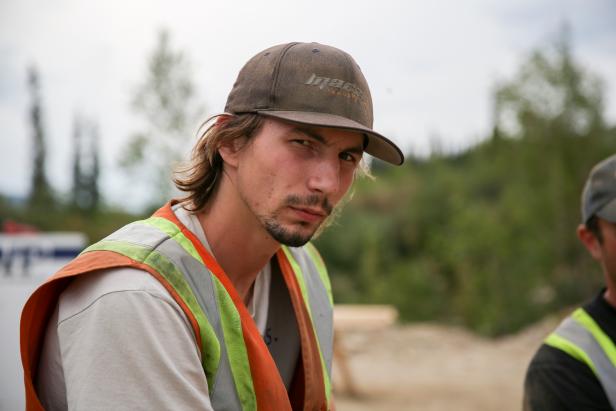
Schnabel estimates that most crew members work approximately 25 weeks each year. That puts a new employee’s gross seasonal earnings at around $65,000, before bonuses. After tax, he suggests a starting miner might net roughly $40,000 for a single season of work. For many roles—such as rock truck drivers or plant hands—this represents earnings comparable to a full-time annual salary in other industries, condensed into just over half a year.
Experience, however, makes a notable difference. Schnabel said the median wage on his crew is closer to $34 an hour, reflecting skill level, reliability, and the ability to perform under sustained pressure. In a business where mistakes can cost tens of thousands of dollars in lost gold or damaged equipment, competence is rewarded.
One of the most common misunderstandings Schnabel addressed is the assumption that miners work year-round. In reality, Yukon placer mining is entirely at the mercy of the seasons. Once winter sets in, frozen ground and locked-up water supplies make sluicing impossible. The effective mining window runs from early spring through late autumn, leaving workers with several months off each year. That means the income earned during the season must support miners through a long off-period, something Schnabel acknowledged as a key trade-off of the job.
Hourly wages are not the only source of income. Schnabel confirmed that his crew receives bonuses, which can be substantial depending on performance and overall gold recovery. While he did not disclose exact figures, these payments can significantly lift a miner’s final take-home pay, particularly in strong seasons where targets are met or exceeded.
There are also important benefits that do not appear on a payslip. Crew members live on site during the season, with accommodation and meals provided. In the remote Yukon, where housing and food costs could otherwise be extremely high, this effectively increases real earnings. With few opportunities to spend money while on the claim, some miners finish the season having saved a large portion of their income.
That said, the lifestyle is not for everyone. Long stretches away from home are the norm, personal time is limited, and privacy is scarce—especially on a television production where cameras document daily life. Relationships and family commitments often suffer under the weight of the schedule, a reality that many former crew members have openly acknowledged.
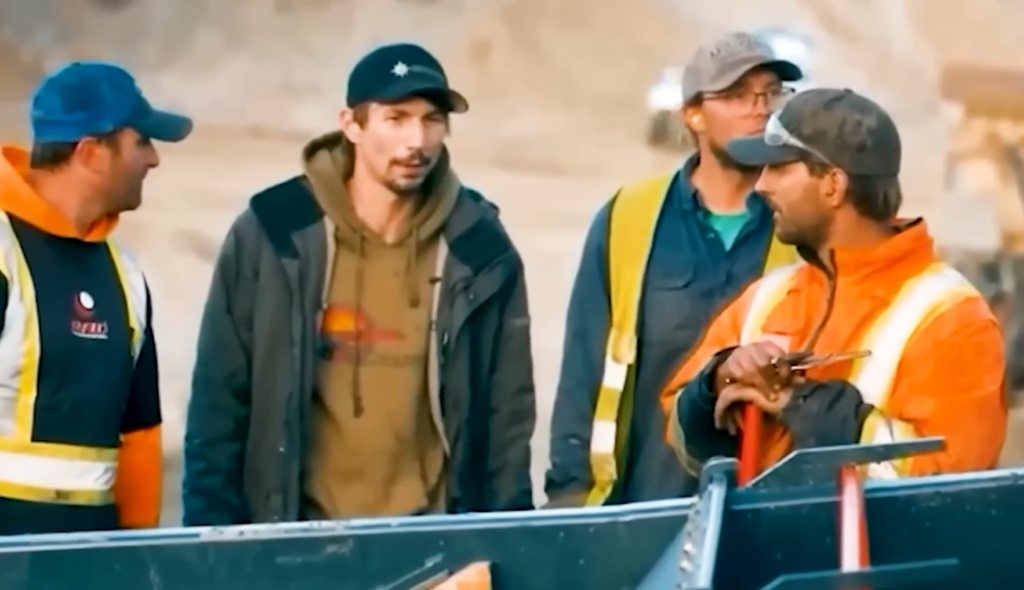
Schnabel does not portray mining as an easy route to wealth. The work is physically demanding, mentally draining, and carried out in an environment where weather and machinery can turn against you without warning. But he argues the compensation reflects those realities. When wages, overtime, bonuses, food, housing, and experience are taken together, he believes the job offers a fair and honest living for those willing to commit.
The numbers may also explain why crew turnover on Schnabel’s operation is often lower than viewers expect. While the pressure is intense, transparency around pay—and the chance to earn a solid seasonal income—appears to keep many miners coming back.
In an industry often viewed through myth and spectacle, Schnabel’s openness has provided something rare: a clear look at the economics behind the gold. For fans who have long wondered whether life on a Yukon claim is worth it, the answer is more grounded than glamorous—but no less compelling.