Clarkson Farm announces the farmers who will appear in season 5.
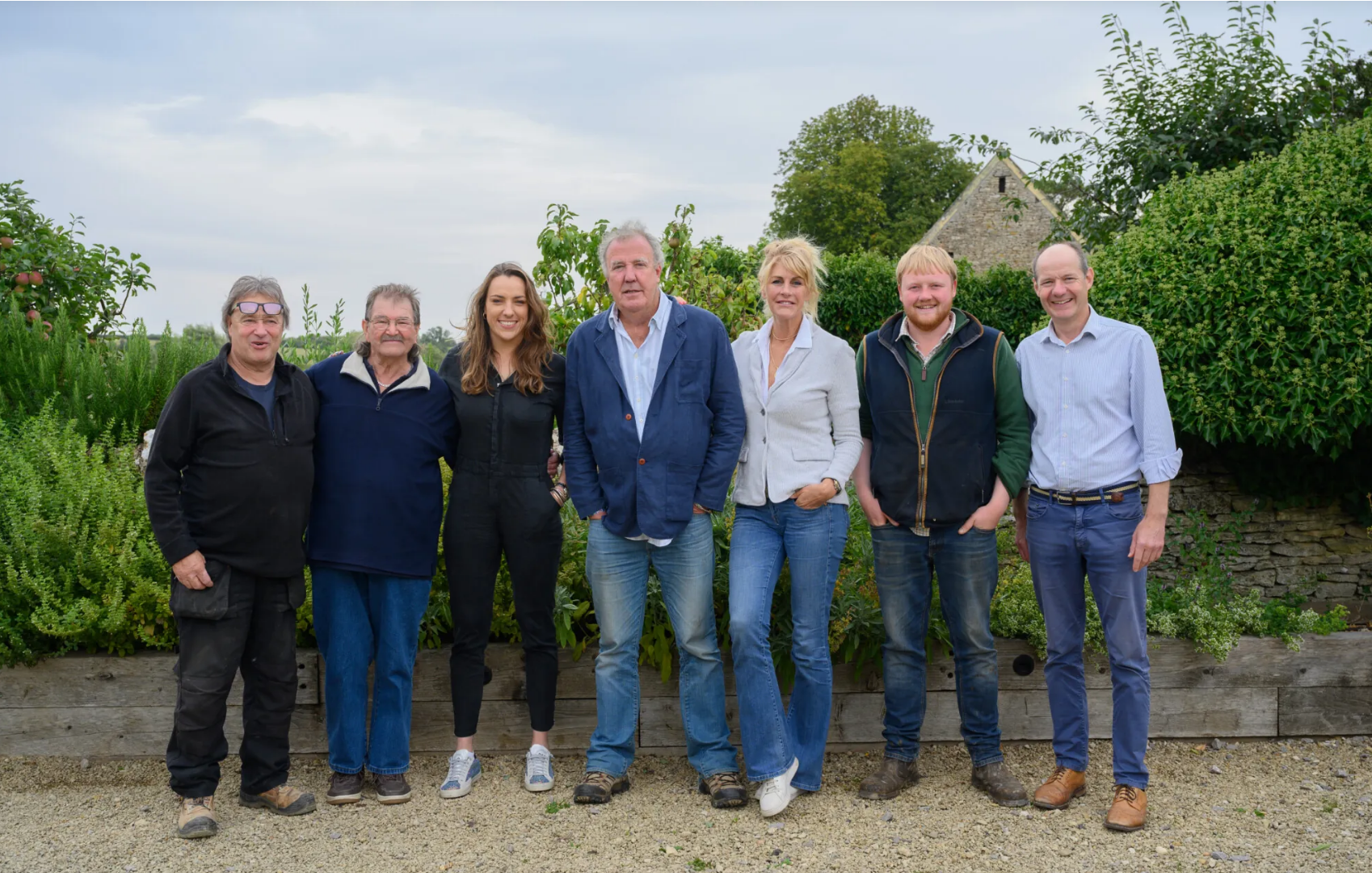
As Clarkson’s Farm moves toward its fifth season, one thing is becoming increasingly clear: the show is no longer just about one celebrity learning how to farm. It has evolved into a wider portrait of British agriculture under strain, and the farmers appearing in Season 5 may play a decisive role in shaping its next phase.
From early production signals and recent on-screen trends, Season 5 looks set to introduce or expand the presence of several working farmers beyond Diddly Squat itself. This shift reflects a broader editorial choice — moving from an isolated farm experiment toward a shared, communal farming narrative.
From Solo Struggle to Shared Reality
In earlier seasons, the programme’s emotional and narrative centre was firmly rooted in Jeremy Clarkson grappling with weather, machinery, local councils, and policy. While neighbours occasionally appeared, they functioned mainly as background voices or informal advisers.
Season 4 began to change that balance. We saw more neighbouring farmers, contractors, and livestock specialists stepping into the frame, not just to help, but to offer contrasting viewpoints. Season 5 appears ready to formalise that evolution.
Producers have gradually widened the lens to show that Clarkson’s frustrations are not unique. The farmers expected to feature in Season 5 — whether returning neighbours or new contributors — appear positioned to reinforce a single idea: these problems are systemic, not personal.
Why These Farmers Matter Narratively
The inclusion of additional farmers is not about variety for its own sake. It serves three strategic purposes.
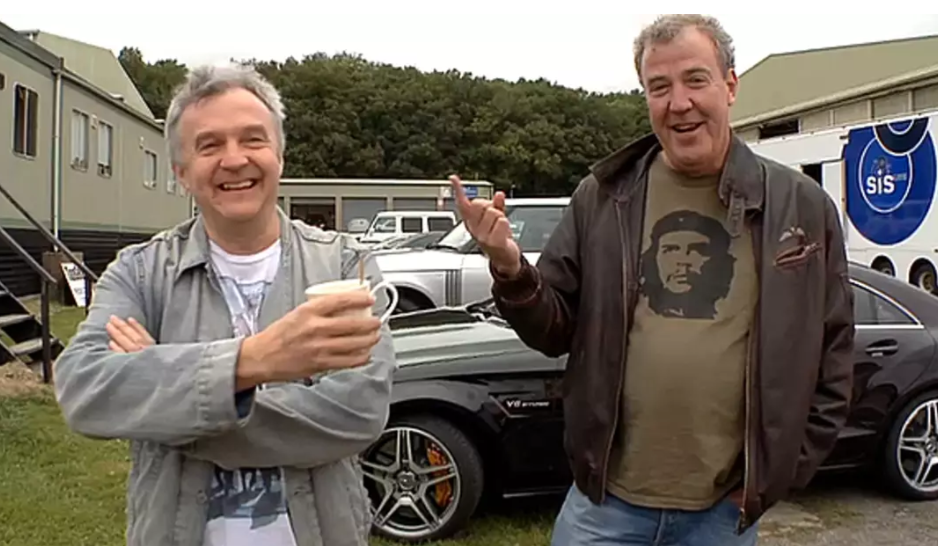
First, credibility. While Clarkson’s voice remains central, sustained criticism of agricultural policy carries more weight when echoed by people whose livelihoods depend entirely on the land. A chorus of informed, grounded perspectives reduces the risk of the programme being dismissed as celebrity commentary.
Second, contrast. Each farmer brings a different scale, method, and tolerance for risk. Some are likely to operate smaller, family-run holdings. Others may represent larger commercial setups. These contrasts allow the show to explore how identical policies affect farms in radically different ways.
Third, emotional range. Clarkson’s on-screen persona often leans toward frustration and confrontation. Additional farmers introduce quieter forms of pressure — exhaustion, resignation, or pragmatic compromise — which deepen the programme’s emotional texture without relying on heightened language.
The Likely Roles They Will Play
Based on recent seasons, the farmers appearing in Season 5 are unlikely to be passive contributors. Instead, they will probably function in three recurring roles.
The comparator
These farmers allow viewers to measure Diddly Squat against other operations. When Clarkson struggles with yields or margins, comparison farms help answer the key question: is this mismanagement, or is the system itself tightening?
The reality check
Not every farmer agrees with Clarkson. Some may support environmental goals while still highlighting economic limits. Their presence keeps the programme from becoming one-sided and reinforces its analytical credibility.
The warning signal
Several farmers are likely to articulate what happens when margins disappear entirely — selling land, reducing staff, or stepping away from production. These are not abstract outcomes; they are practical consequences that the show increasingly foregrounds.
How This Changes the Show’s Direction
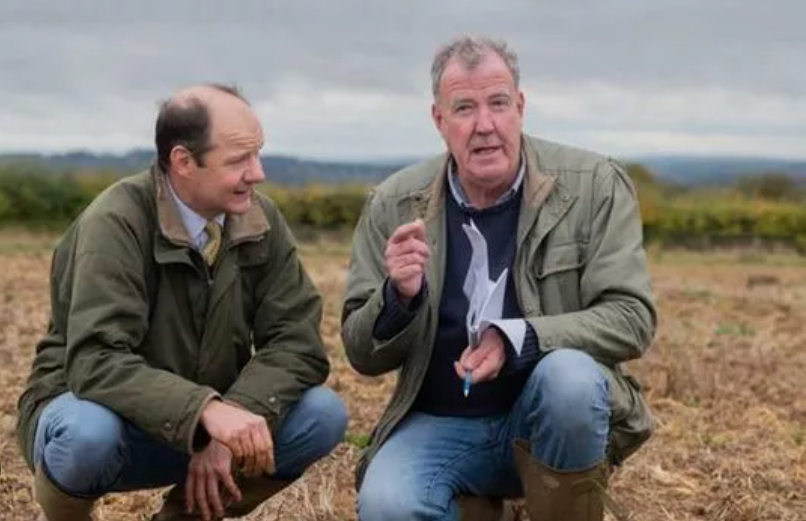
Season 5 is shaping up to be less about novelty and more about consequence. Earlier seasons thrived on Clarkson’s inexperience and mistakes. That phase is largely over. He now understands farming well enough that failures feel structural rather than personal.
Introducing more farmers allows the programme to evolve without repeating old beats. Instead of “will Clarkson succeed?”, the question becomes “who can succeed under these conditions?”
This also positions the series closer to documentary analysis than light entertainment. While humour remains a key ingredient, it now operates alongside a more deliberate examination of sustainability, economics, and food security.
What to Watch For in Season 5
Viewers should expect several narrative threads to emerge:
-
Collective pressure rather than individual setbacks
-
Policy impact shown across multiple farms, not just Diddly Squat
-
Reduced focus on spectacle, increased focus on decision-making
-
More dialogue, less instruction, particularly between farmers themselves
Notably, this shift does not diminish Clarkson’s role. Instead, it reframes him as a conduit — someone translating the concerns of working farmers to a mass audience that might otherwise never hear them.
A Broader Legacy for the Series
If Season 5 succeeds in integrating these farmers effectively, Clarkson’s Farm may complete its transformation into something rare: a popular programme that entertains while also documenting a pivotal moment in British rural life.
The farmers appearing this season are not supporting characters. They represent the direction the show is heading — away from individual learning curves and toward collective reckoning.
In that sense, Season 5 may not be louder or bigger than what came before. But it could be more consequential — and for a programme rooted in reality, that matters far more.