The Farmer vs the Billionaire — Jeremy Clarkson Says NO to Bill Gates’ £100 Million Deal
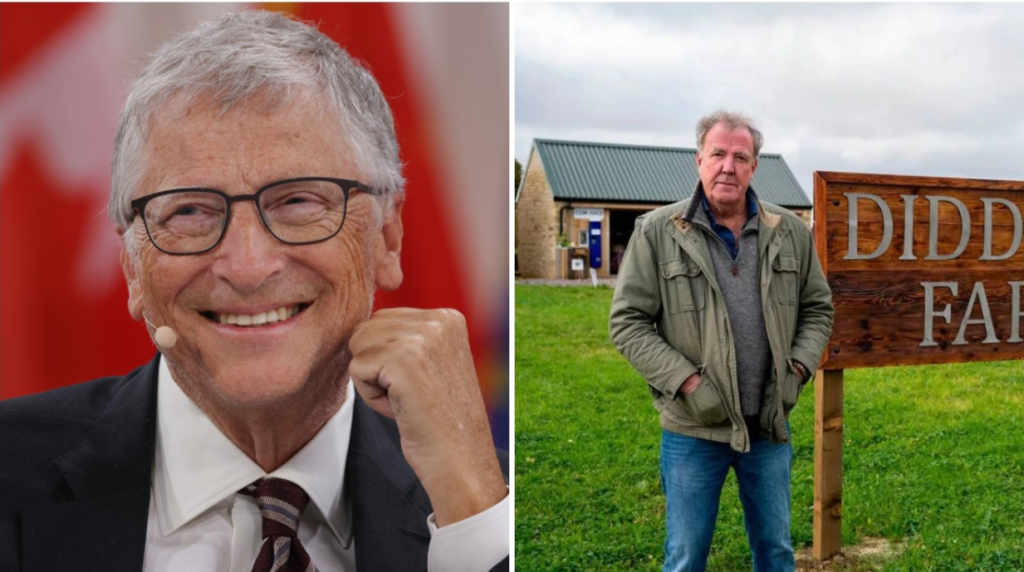
When Jeremy Clarkson first turned his hand to farming, few expected the venture to become a serious case study in the future of British agriculture. Yet a recent revelation — that Clarkson was approached with an offer of £50 million to buy Diddly Squat Farm outright — has shifted the conversation far beyond television entertainment. What followed, according to Clarkson, was not a single extraordinary proposal, but a window into how farmland is increasingly viewed as a strategic asset rather than a place of food production.
Diddly Squat Farm, made famous by Clarkson’s Farm, is hardly an industrial operation. By Clarkson’s own admission, it is muddy, imperfect, and held together by stubborn effort rather than corporate efficiency. The valuation implied by the initial offer, he argues, bore no relation to the land’s agricultural reality. Instead, it signalled something else: a test of whether the farm — and its owner — were available to be bought.
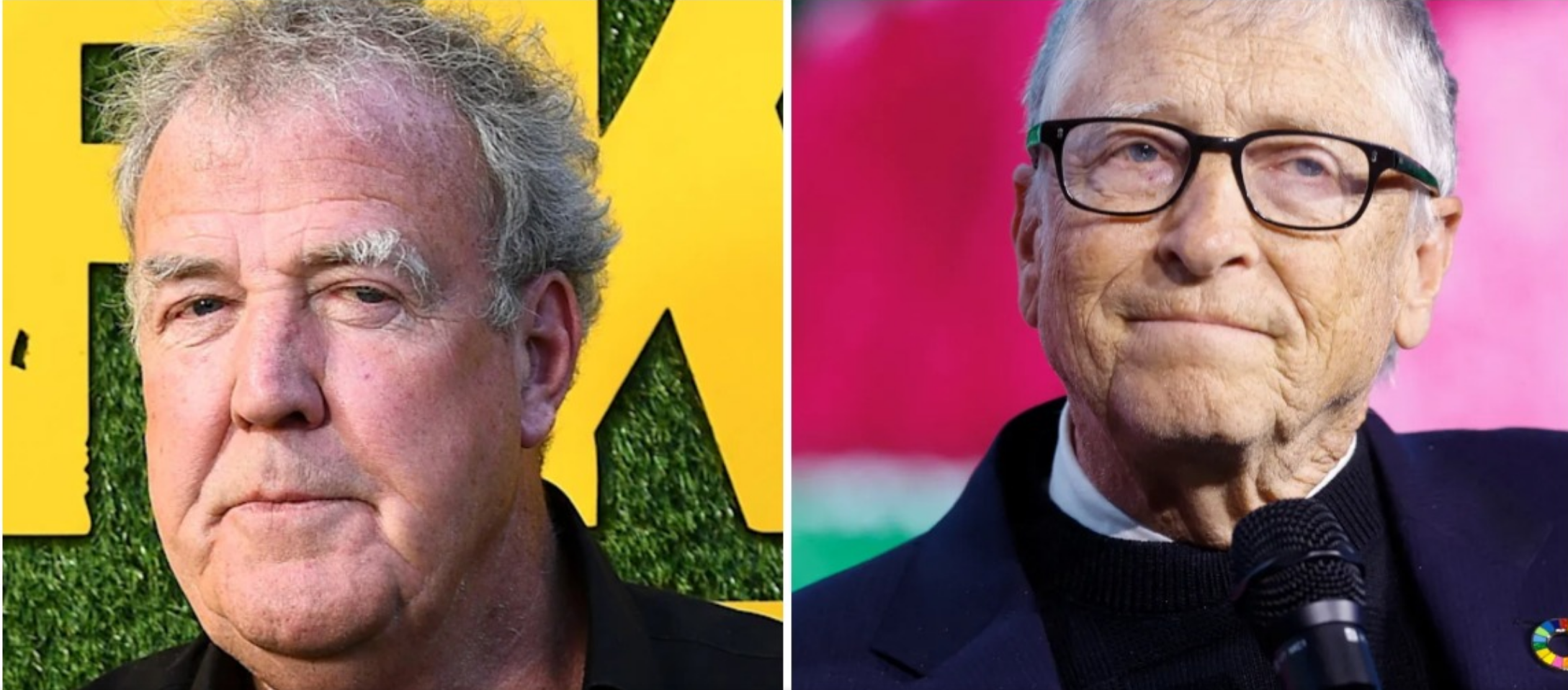
The identity behind the offer made the situation more unsettling. According to Clarkson, the approach came from interests linked to Bill Gates, one of the world’s largest private owners of farmland. While the offer was described as polite, legal, and professionally structured, Clarkson says it was also revealing. When land is offered at several times its market value, the question is no longer about price. It becomes about control.
Clarkson declined the offer outright. What followed, he suggests, was not a withdrawal but an escalation. Over time, neighbouring farms around Oxfordshire changed hands, often purchased by companies with opaque ownership structures. Shell firms, investment vehicles, and land trusts appeared, quietly consolidating large stretches of countryside. Farmers talked, and patterns emerged. Ownership shifted not to working agricultural families, but to distant corporate entities with long-term strategies that extended far beyond traditional farming.
The pressure, Clarkson claims, intensified as subsequent offers rose — £20 million, £35 million, £45 million, and eventually figures that climbed far beyond £50 million. Each proposal arrived with increasingly formal language, accompanied by assurances about sustainability, development, and long-term planning. But Clarkson argues that these phrases often disguise a different reality. In practice, large-scale “sustainable” projects tend to mean fewer farmers, more machinery, extensive infrastructure, and permanent changes to rural landscapes.
Even without selling, Clarkson says the environment around his farm began to shift. Planning applications appeared for storage facilities, research buildings, and agricultural infrastructure, all legally sound and supported by extensive documentation. Objections, while heard, struggled to compete with the scale of resources behind the proposals. Local councils, faced with compliant applications and expert reports, found themselves limited in what they could challenge.
What makes this case notable is not simply the sums involved, but the visibility of the person involved. Clarkson has a national platform through television and print. Most farmers do not. If such pressure can be applied openly to a public figure, the implication for smaller, less visible landowners is significant. Clarkson argues that many are approached quietly, without headlines, and are far less equipped to resist sustained legal and financial pressure.
The broader issue, he suggests, is the growing treatment of food production as an abstract system to be optimised. In this model, land becomes a portfolio asset, farming becomes a logistical process, and local knowledge is secondary to scale. While innovation and efficiency are not inherently harmful, Clarkson warns that consolidation on this level risks creating dependence — where decisions about food, land use, and rural life are made far from the communities affected by them.
Clarkson insists his refusal was not driven by heroism or sentimentality. It was rooted in the belief that farmland, once sold into such systems, rarely returns to independent hands. Money can be replaced; land cannot. Accepting the offer, he argues, would have sent a message that resistance is temporary and that scale inevitably wins.
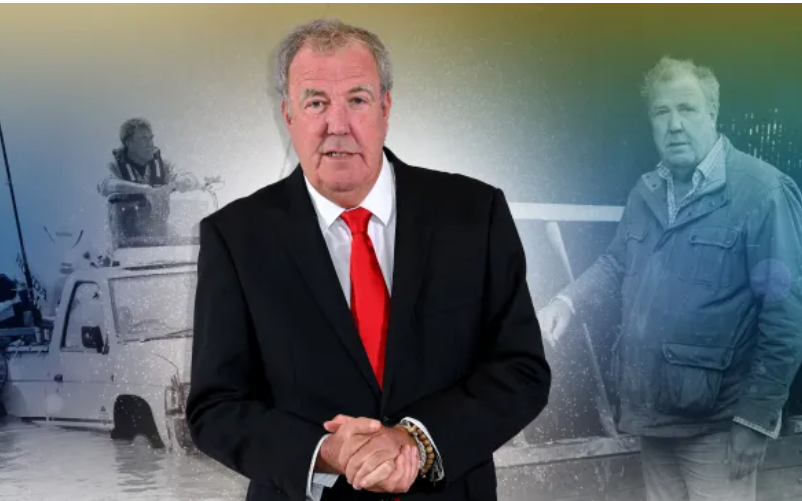
What ultimately altered the situation was not the refusal itself, but its publicity. By speaking openly, Clarkson says other farmers began sharing similar experiences. Offers differed in detail, but the structure was familiar. As awareness grew, the issue reached public debate, raising questions about foreign ownership, corporate consolidation, and the future resilience of domestic food production.
Today, Diddly Squat Farm remains independent. The surrounding pressures have not disappeared, and the system has not fundamentally changed. But the silence, Clarkson believes, has. Farmland consolidation is no longer an abstract concern discussed only in policy circles. It is being talked about in kitchens, pubs, and fields — by people who understand what is at stake.
This, Clarkson argues, is not a story about personalities or wealth. It is about power, proximity, and who ultimately controls the land that feeds a nation. Innovation has its place. Monopoly does not. And in an era when almost everything appears to have a price, the refusal to sell may be the clearest statement of all.