The Naga’s Shadow: Josh Gates Uncovers Ancient Spirits and Hidden History in Laos
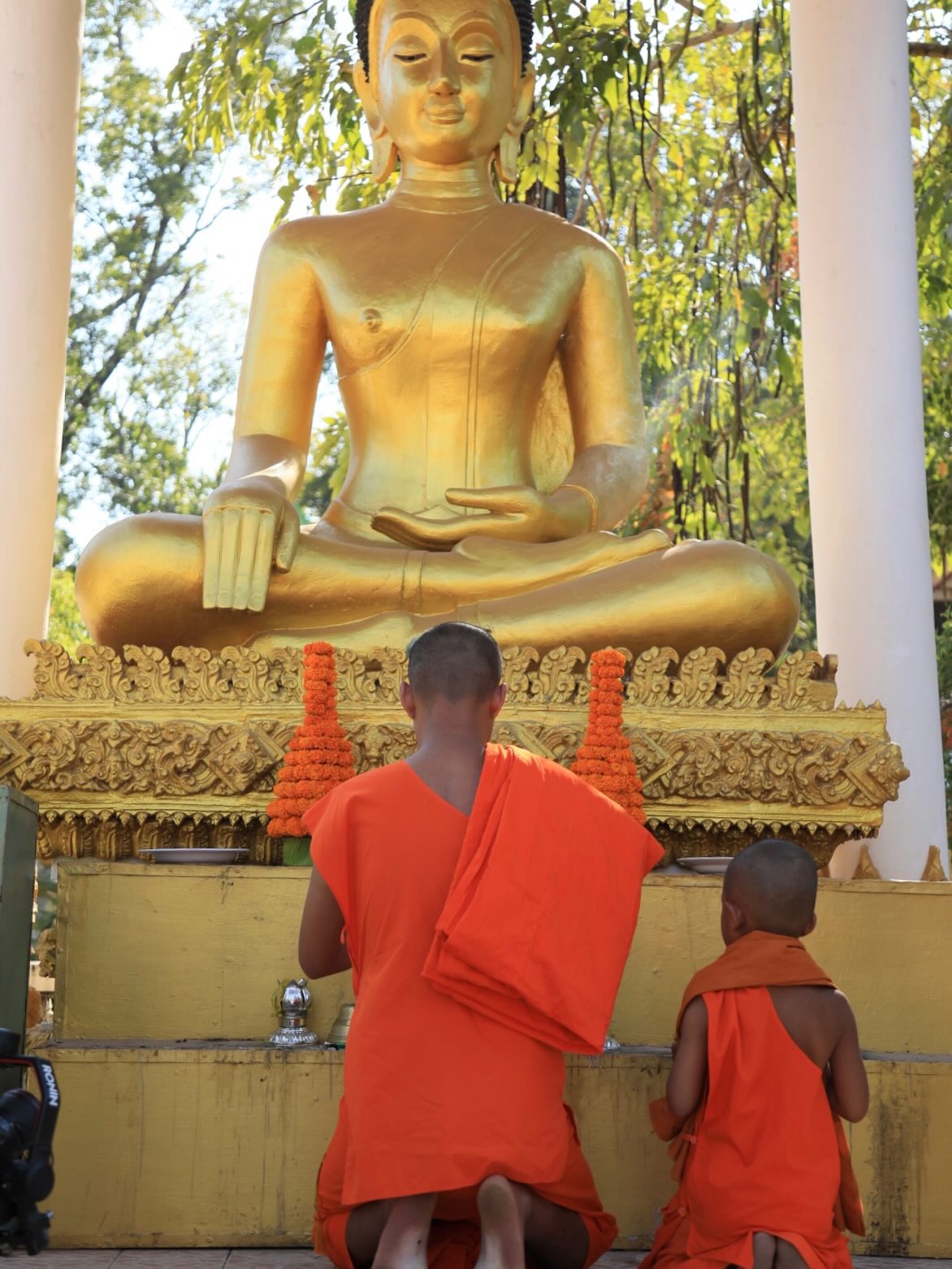
In the latest high-stakes journey for Expedition Unknown, Josh Gates has traded the dusty tombs of Egypt for the emerald jungles and mist-covered mountains of Laos. Known as the “Land of a Million Elephants,” Laos remains one of the most enigmatic corners of Southeast Asia—a place where the line between the physical world and the spirit realm is as thin as a silk thread.
Gates’ multi-week expedition through the country wasn’t just a hunt for artifacts; it was a deep dive into the triple-threat of Laotian lore: ghosts, dragons, and lost history.
Hunting the Phaya Naga
The expedition began on the banks of the mighty Mekong River. For the people of Laos, the Mekong isn’t just a waterway; it is the home of the Phaya Naga, the legendary giant serpents or “dragons” that protect the kingdom.
Josh spent several nights with local fishermen, investigating reports of the “Naga Fireballs”—mysterious glowing orbs that rise from the river’s depths. While skeptics point to phosphorescent gases, Josh’s investigation took a more historical turn. He explored the theory that the Naga legends were actually inspired by the discovery of giant oarfish or, more intriguingly, ancient subterranean tunnels used by Khmer kings to transport treasure in secret.
The Land of Ghosts
Moving inland toward the mysterious Plain of Jars, the tone of the expedition shifted from dragons to the departed. Laos is a nation deeply rooted in the belief of Phi—spirits that inhabit trees, houses, and ancient ruins.
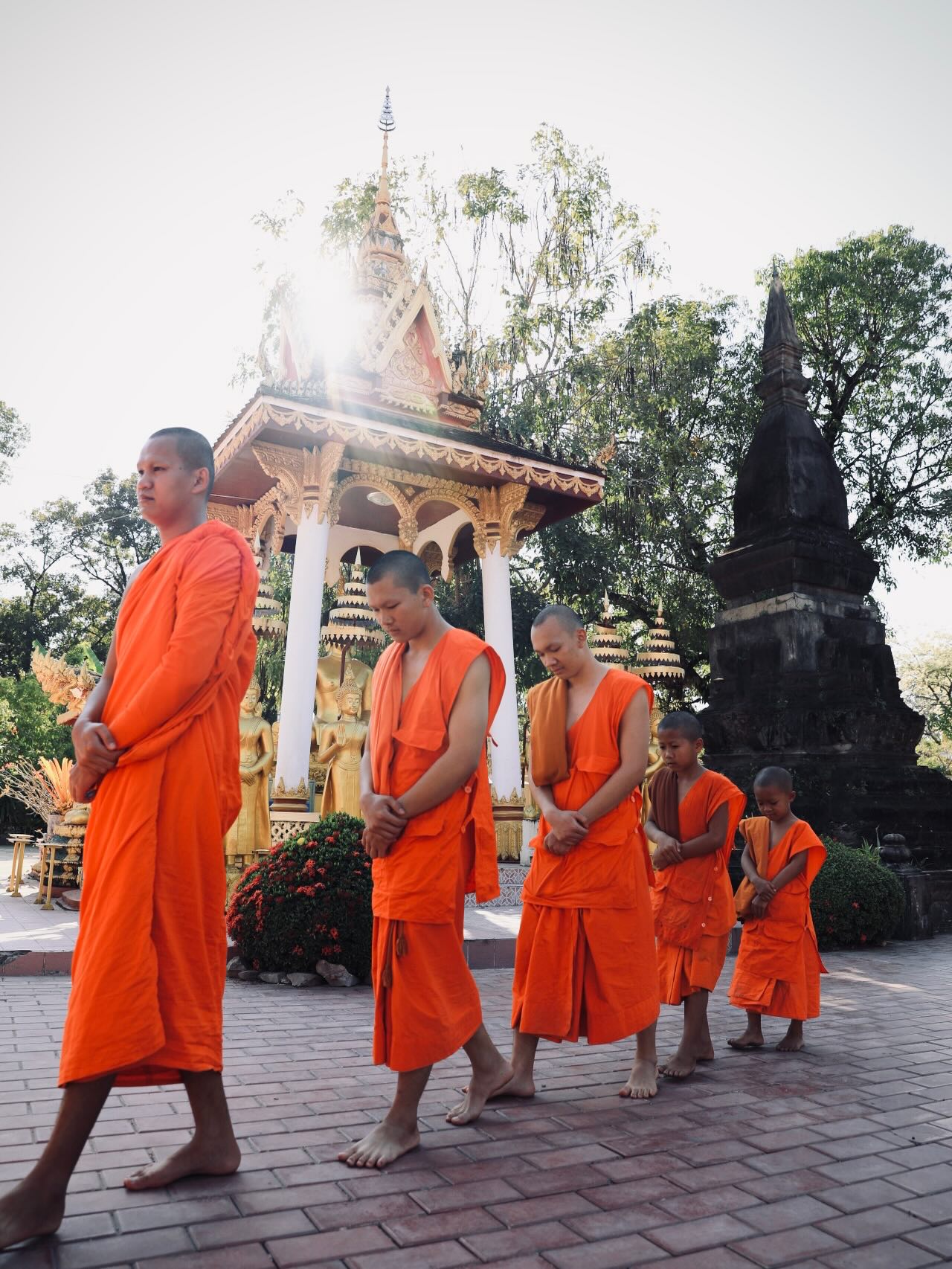
“In Laos, you don’t just walk into a forest; you ask the forest for permission,” Josh noted during a grueling trek through the Xieng Khouang province. He documented the “Ghost Markets” and local rituals meant to appease the spirits of those lost during the “Secret War.” This historical backdrop added a layer of somber reality to the supernatural hunt, as Josh uncovered how the trauma of the past has transformed into the ghost stories of the present.
The Discovery at Wat Tham Phra
The climax of the journey occurred in a remote region of Northern Laos, near the banks of the Nam Ou River. Guided by an ancient, weather-beaten map found in a Luang Prabang archive, Josh and his team traveled by long-tail boat to reach a forgotten temple known as Wat Tham Phra (The Temple of the Buddha Cave).
Perched high on a limestone cliff and accessible only by a crumbling stone staircase, the temple appeared at first to be a typical site of worship. However, while examining a series of 16th-century Buddha statues in a darkened corner of the inner sanctum, Josh noticed something unusual: the shadow of a Naga statue didn’t align with the light source.
“There’s a trick of the eye here,” Josh whispered to the camera, his flashlight cutting through the incense smoke. “This isn’t just a religious carving. It’s a mechanism.”
Upon further inspection, Josh discovered a hidden stone relief behind a massive reclining Buddha. By manipulating a series of lotus-shaped stone dials, a portion of the floor gave way to reveal a subterranean chamber that had been sealed for centuries.
The Mystery Revealed
Inside the chamber, Josh didn’t find piles of gold, but something perhaps more valuable to historians: a collection of bronze Naga scrolls and a series of terracotta tablets. These tablets detailed the “Great Migration” of a lost royal lineage that fled the fall of the Angkor Empire.
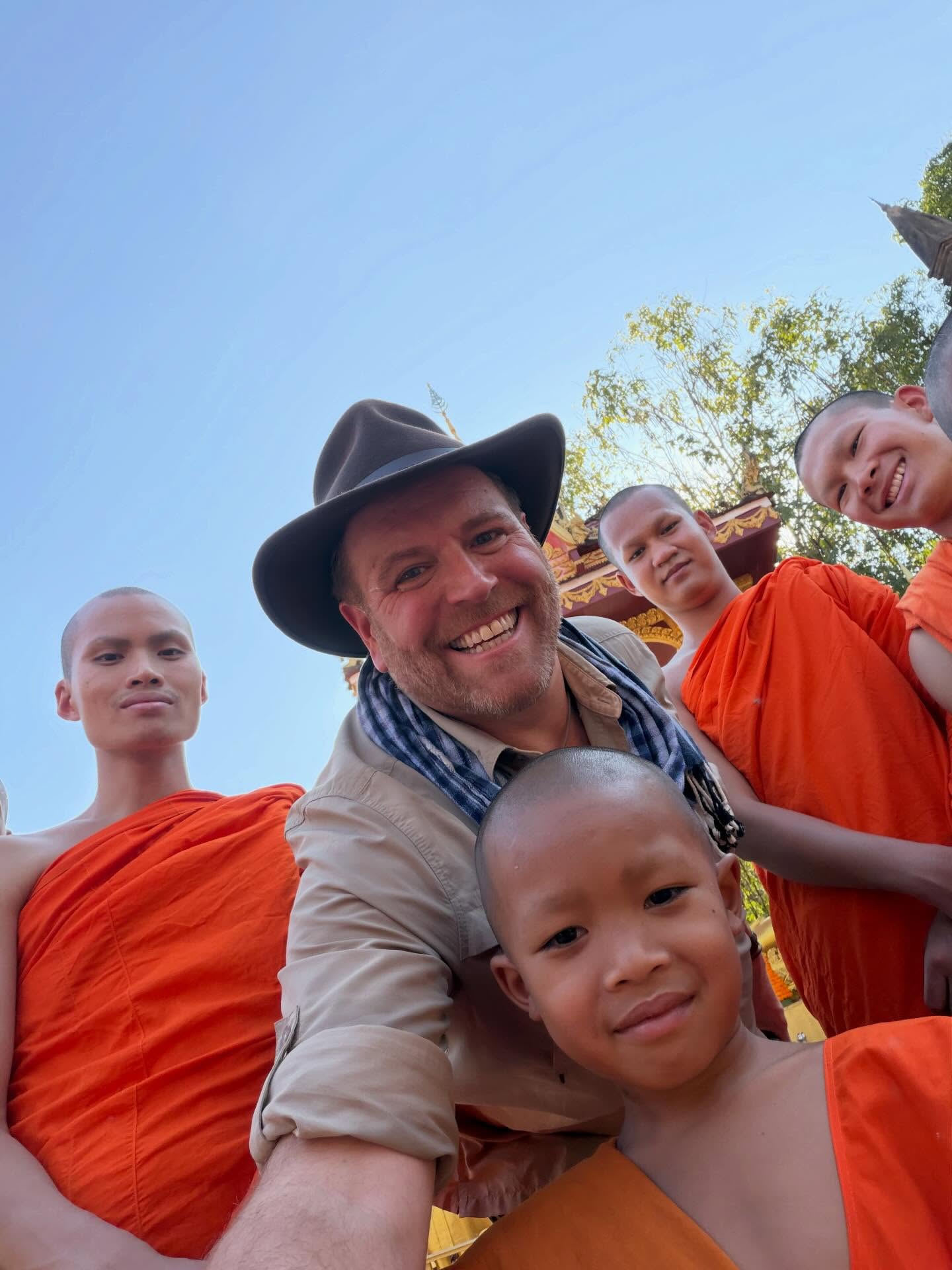
The scrolls revealed that the “Naga” wasn’t just a mythical dragon, but a code name for a secret society of royal guards who hid the kingdom’s cultural relics in the limestone caves of Laos to protect them from invading forces. This discovery effectively linked the “Dragon” legends to a very real, very secretive historical resistance movement.
A Journey of Redemption
As the sun set over the Mekong on his final day, Josh reflected on the nature of the mystery. “We came here looking for dragons and ghosts,” he told the viewers. “And in a way, we found them. The Naga is the spirit of protection, and the ghosts are the memories of a resilient people. Laos doesn’t give up its secrets easily, but when it does, they are breathtaking.”
This Laotian odyssey is being hailed as a “return to form” for Gates, combining the adventurous spirit of his early career with a newfound respect for the spiritual traditions of the East.