THE 70-FOOT INVESTMENT: RICK LAGINA STRIKES “METALLIC ANOMALY” BENEATH THE MONEY PIT
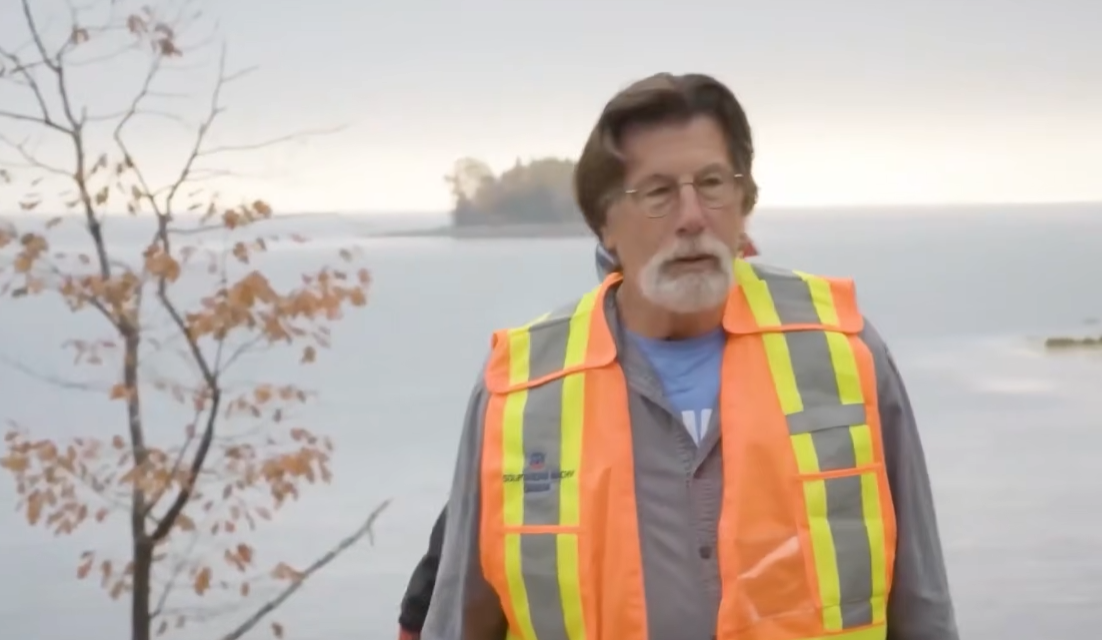
The decade-long pursuit of the Oak Island mystery has reached a fever pitch this week as Rick Lagina’s latest high-stakes borehole project encountered a series of “unusual and organized” signals at a depth of 70 feet. The discovery, which follows millions of dollars in recent investment, has sparked renewed hope that the team may have finally bypassed 200 years of flood tunnels to reach a legendary $100 million vaulted chamber.
High-Stakes Engineering
The operation, characterized by some experts as a “financial and technical gamble,” carries a staggering daily price tag of between $25,000 and $40,000. These costs cover the mobilization of heavy drilling rigs, specialized engineering teams, and real-time seismic monitoring.
As the drill bit descended past the 65-foot mark, monitoring equipment registered density readings nearly six times higher than the surrounding glacial till. This was followed by a distinct metallic interference signal—a pattern that typically suggests the presence of solid, man-made structures rather than natural geological formations.
The 70-Foot Barrier
The atmosphere at the dig site shifted from routine to “controlled electricity” when the drill reached 68 feet. Operators reported a change in the machine’s rotational sound, followed by jarring vibrations. At the control panel, engineers observed a pattern synonymous with the drill bit striking a solid, impenetrable surface.
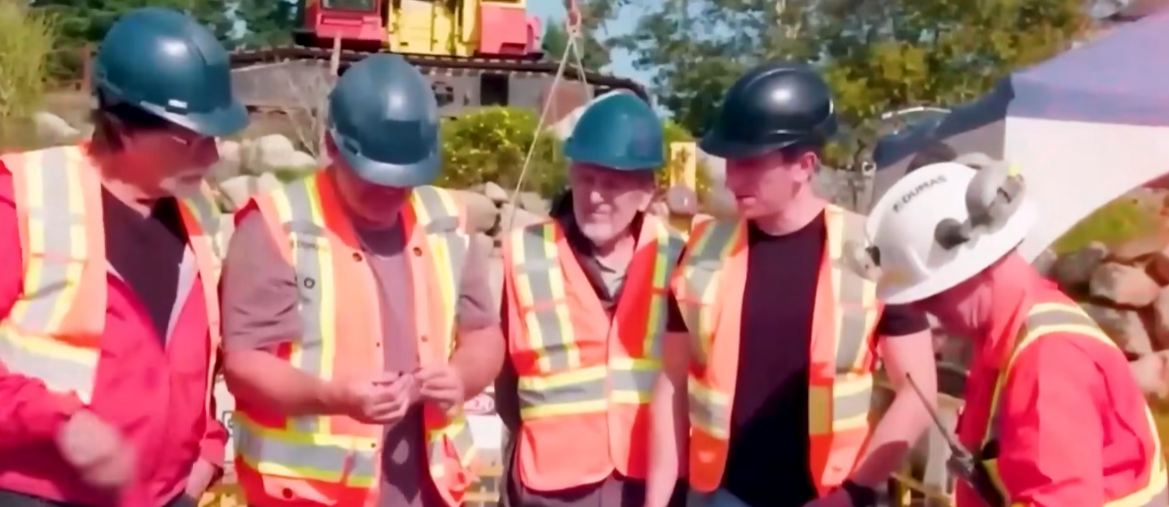
“The ground behavior changed instantly,” noted one site technician. “We transitioned from the soft, water-filled clay typical of the island’s upper layers to something incredibly dense. Between 68 and 70 feet, we are hitting a surface that does not match the known geology of the area.”
The debris extracted from the shaft has also provided tantalizing clues. While the upper 50 feet yielded typical dark brown soil and moisture-filled flakes, the 60-foot mark began to show signs of “disturbed soil”—earth that appears to have been previously excavated and refilled—along with traces of decayed organic material and wood fragments.
A Legacy of Water and Curses
The team remains cautiously optimistic, tempered by two centuries of disappointment. The island’s infamous flood tunnel system, believed to be a sophisticated network of seawater-fed booby traps, has defeated every major expedition since 1795.
Marty Lagina, maintaining a pragmatic approach, emphasized the need for scientific confirmation over emotional speculation. “We’ve seen Oak Island’s ‘false signals’ before,” he cautioned. “Every signal found underground must be interpreted with patience. We are looking at potential targets, but we need core samples and camera probes before we can claim a breakthrough.”
What Lies Beneath?
The implications of a successful discovery at this depth are staggering. While the “Money Pit” has long been associated with pirate gold or colonial wealth, some historians believe the site may house religious relics, historical documents, or maritime trade archives.
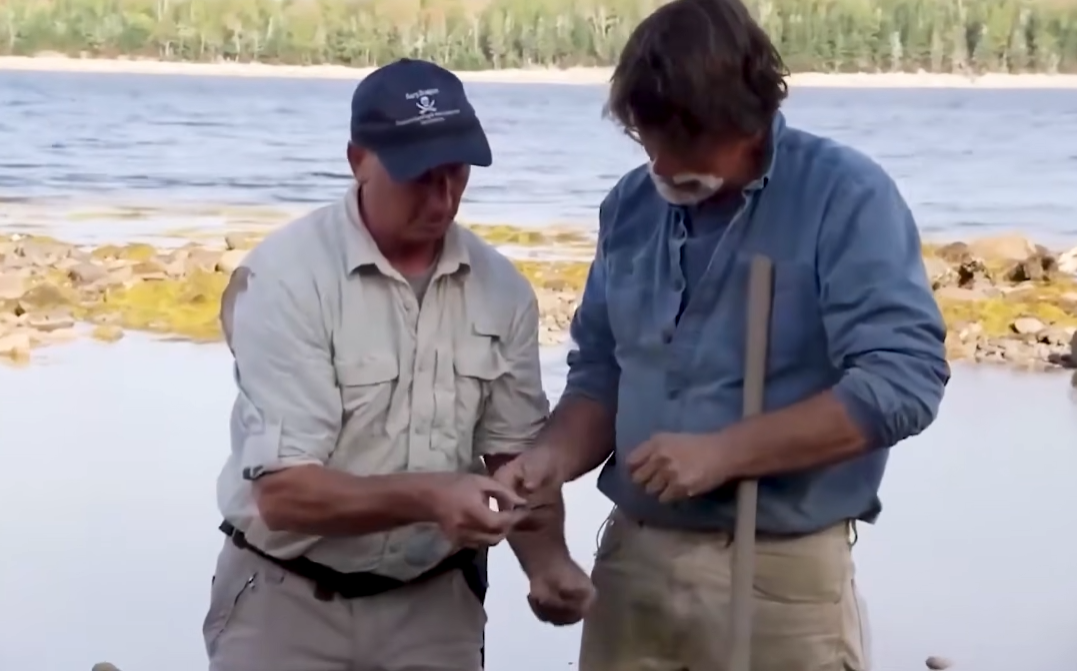
The next phase of the operation involves extracting cylindrical core samples to determine the mineral composition of the hard layer. If the samples reveal worked stone or reinforced timber, the team plans to lower a camera probe for the first visual confirmation of the cavity.
For now, the drill remains paused at the threshold. As the sun sets over Mahone Bay, the question remains: is this the moment the curse is broken, or simply another expensive chapter in the world’s most enduring treasure hunt?