Oak Island Emergency Broadcast Sparks Global Frenzy as Alleged Vault Discovery Raises Unprecedented Questions
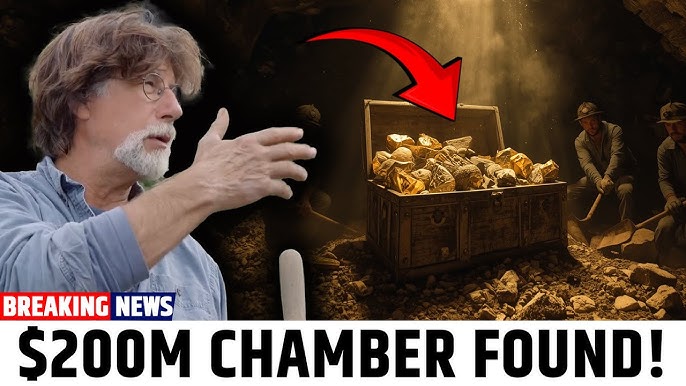
An extraordinary late-night broadcast by the History Channel has sent waves through the worlds of archaeology, media, and public discourse, after footage claimed to show the opening of a long-sealed underground chamber on Oak Island, Nova Scotia. The live transmission, presented without advance promotion, depicted what was described as a newly accessed subterranean vault during ongoing exploration featured on The Curse of Oak Island.
Within minutes, millions of viewers tuned in as cameras streamed images from the island under intense lighting and aerial drone coverage. A remotely operated crawler was shown entering a stone-lined chamber beneath the island, revealing what commentators described as complex masonry, carved arches, and symbol-laden walls. The moment was framed as a major development in a mystery that has drawn attention for more than two centuries.
A Discovery Framed as More Than Treasure
According to the broadcast narrative, the chamber did not initially present the familiar imagery of coin hoards or chests. Instead, it appeared to contain large mechanical components—iron gears, wooden pulleys, sealed conduits, and counterweight systems—suggesting an engineered space rather than a simple storage room. On-air experts speculated that the construction exceeded what is commonly associated with medieval-era technology, raising immediate questions about purpose and origin.
As the exploration continued, a secondary passage was shown opening into a separate area filled with crates and containers. These were said to contain gold bars, historic coins from multiple empires, and ceremonial objects, with preliminary estimates placing the visible material’s value in the hundreds of millions of dollars. However, analysts on the broadcast emphasized that the material significance might be secondary to what followed.
Manuscripts and Historical Implications
The most consequential claims centered on the discovery of preserved manuscripts reportedly wrapped in treated hides and stored in sealed iron boxes. The documents, as described, included texts in multiple ancient languages, diagrams, and astronomical references. One item, identified on air as a codex bearing the seal of Pope Clement V, intensified speculation about suppressed records linked to the Knights Templar.
If authenticated, such materials would have profound implications for historical scholarship. The broadcast cautiously noted that no independent verification had yet been completed and that any conclusions would require extensive academic review. Nevertheless, the suggestion that Oak Island could house materials deliberately hidden during periods of religious and political upheaval ignited intense debate.
Technical Anomalies and Heightened Tension
As the segment progressed, technicians were shown reporting unusual instrument behavior near the chamber, including erratic compass readings and low-frequency vibrations. While some crew members attributed these effects to equipment interference in confined spaces, others on the broadcast suggested the structure may have been designed with acoustic or resonant properties.
The tone shifted further when offshore footage displayed unidentified vessels near the island, prompting speculation about increased security interest. Shortly thereafter, Canadian authorities confirmed a temporary maritime exclusion zone around Oak Island, citing heritage protection and public safety. Officials stressed that the measure was precautionary and not indicative of ownership claims.
Government and Institutional Responses
The alleged discovery quickly moved beyond entertainment media. International news outlets referenced the broadcast while emphasizing that details remained unverified. Representatives from Canadian heritage agencies reiterated that any significant archaeological find would fall under national preservation laws and require controlled assessment.
In Rome, the Vatican released a brief statement urging “careful stewardship of materials connected to shared cultural heritage,” without directly referencing Oak Island or the items shown on television. Historians noted that such language, while neutral, underscored the sensitivity of claims involving early religious orders.
Market and Public Reaction
Financial commentators observed short-term volatility in precious metals markets following the broadcast, driven largely by speculation rather than confirmed data. Economists cautioned that media-driven narratives often amplify uncertainty without altering underlying fundamentals.
Public reaction, meanwhile, has been intense. Social platforms filled with debate over the authenticity of the footage, the ethics of televised excavation, and the role of private exploration in matters of global heritage. Viewers expressed both fascination and concern about how any materials might ultimately be handled.

The Laginas at the Center
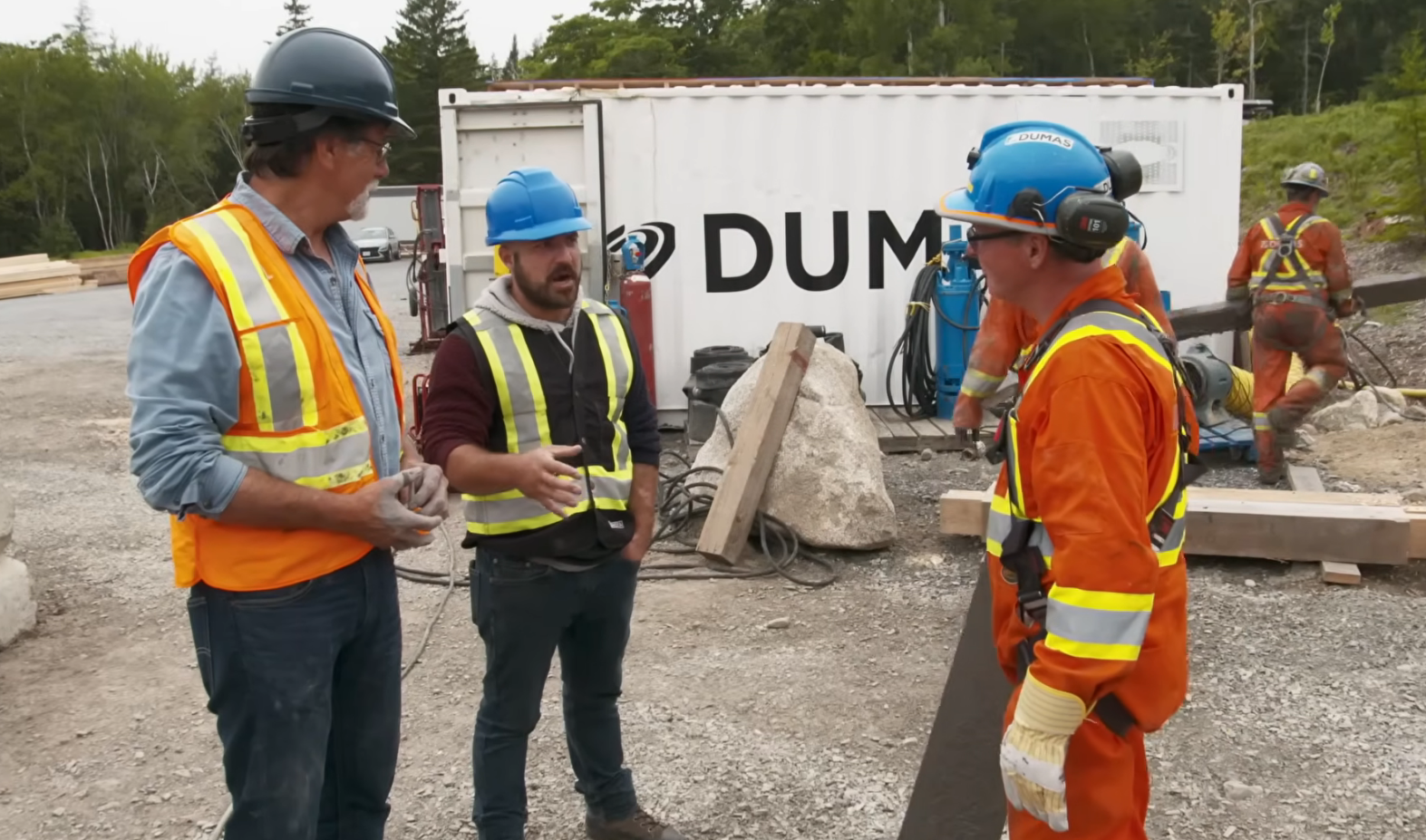
For brothers Rick Lagina and Marty Lagina, the moment represents a culmination of decades-long effort—and a new set of challenges. In brief comments during the broadcast, Rick Lagina emphasized that understanding context mattered more than monetary value, while Marty Lagina urged patience and verification.
Their position reflects a broader tension now facing the project: how to balance public interest, scientific rigor, and regulatory oversight in the wake of extraordinary claims.
What Comes Next
At the time of writing, independent experts have not been granted access to the site, and no peer-reviewed assessments have been released. Authorities have indicated that further exploration will proceed under tightened protocols.
Whether the events shown represent a transformative historical find or an overextended interpretation remains to be determined. What is clear is that Oak Island has once again captured global attention—not simply for the promise of wealth, but for the possibility that its underground structures may challenge long-held assumptions about history itself.
As scrutiny intensifies, the coming weeks will likely focus less on spectacle and more on evidence. For viewers and scholars alike, the central question now is not what was shown on screen, but what can ultimately be proven.