New evidence suggests a 17th-century pirate gang hid a huge fortune at the bottom of the Nova Scotia seabed.
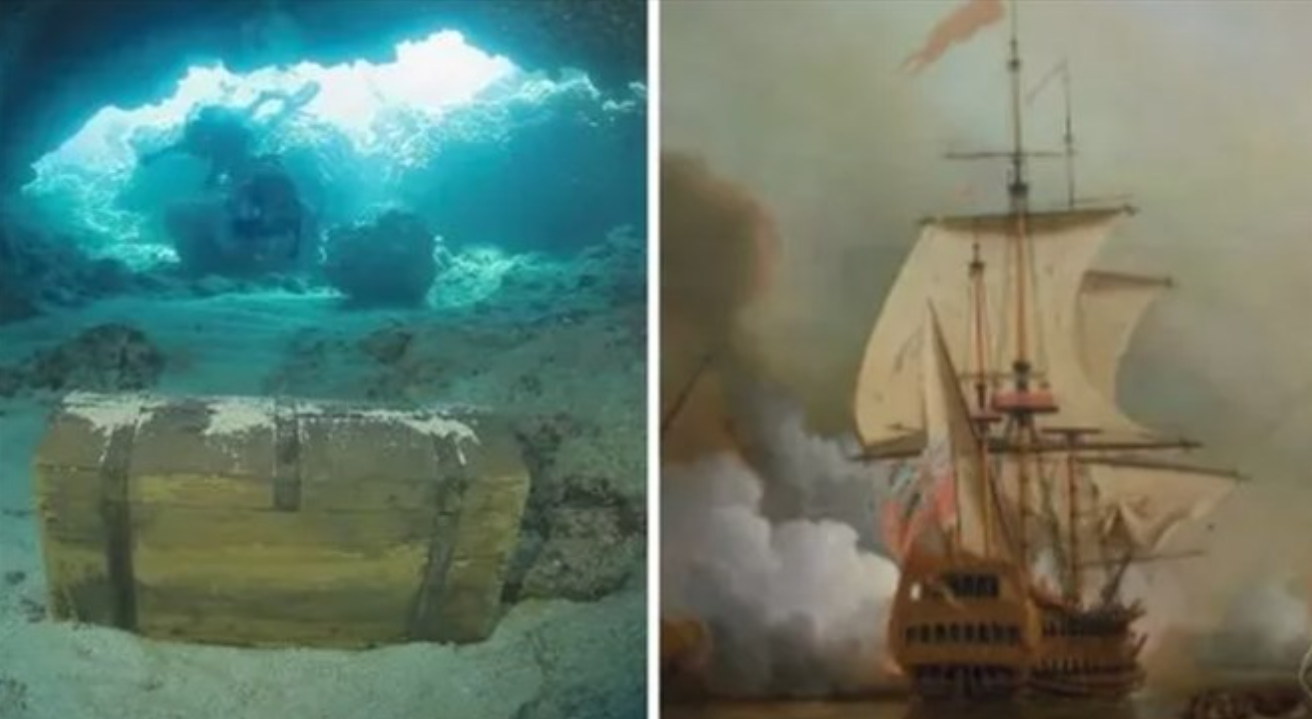
For more than two centuries, Oak Island has inspired treasure hunters, scholars, engineers, and dreamers. But the latest wave of discoveries and historical theories surrounding the island has ignited one of the most ambitious debates in the search’s long history: could the fabled Money Pit be connected to a wider, organized network of 17th-century pirates—and perhaps even a concealed global banking system used by them?
The idea sounds sensational, yet it continues to gain traction as researchers revisit newly uncovered documents, cryptic maps, and structural anomalies deep beneath the island’s surface. While nothing has been definitively proven, the emerging picture is one that blends history, engineering, and maritime legend into one of the most compelling narratives Oak Island has ever produced.
The Pirate Connection: Revisiting Captain Kidd and Early Map Clues
For generations, Oak Island has been linked—fairly or not—to Captain William Kidd, one of history’s most infamous privateers. Early maps and handwritten annotations referencing “Kidd’s Treasure” fueled speculation that the Scottish pirate may have stashed wealth somewhere in the New World before his 1701 execution.
Recent reexaminations of archival material have revived this connection. Among them is a privately purchased leather journal from the late 1600s, discovered at auction in Halifax. Filled with coded language, star charts, and coastal sketches, the journal’s cryptic references to a “stone-toothed guardian” and a “chamber of waiting gold” have intrigued researchers. Some believe the diagrams bear striking alignment with known Oak Island topography.
While historians caution against jumping to conclusions, the overlap has renewed interest in whether early cartographers or privateers identified the island as a potential cache site long before formal settlement.
Engineering Mysteries Underground: Flood Tunnels and Hidden Structures
One of Oak Island’s enduring puzzles is the network of flood tunnels, chutes, and pressure-sensitive mechanisms believed to protect whatever lies deep underground. While much of their origin remains unknown, they suggest planning and craftsmanship far beyond the capabilities of an isolated group of settlers.
Recent seismic surveys have revealed a large rectangular anomaly approximately 160 feet below ground—too symmetrical, researchers say, to be easily dismissed as a natural formation. Combined with known man-made features such as the garden shaft and historical accounts of water intrusion engineered to flood excavations, a picture emerges of a complex subsurface design.
The theory that a 17th-century group—be they pirates, privateers, or engineers—constructed such a system remains debated, but the architecture continues to provoke serious academic interest.
Artifacts Fueling the Debate
Over the past year, several discoveries on and around the island have intensified discussion. Pottery fragments believed to be from the 17th and early 18th centuries, old tools, and foreign coins—including one of Chinese origin—suggest that Oak Island saw activity long before the earliest records of settlement.
Divers exploring the waters north of the swamp have also found remnants of timber and pottery, raising questions about whether an earlier wharf, dam, or landing structure once existed. If true, it could indicate deliberate coastal construction tied to the island’s underground works.
None of these finds alone proves the presence of a treasure vault. Yet collectively, they lend weight to the possibility of organized, intentional activity by groups whose identities remain elusive.

The “Syndicate” Hypothesis: A Global Pirate Network?
Perhaps the most provocative idea emerging from the latest round of research is the so-called Syndicate Hypothesis—a theory proposing that several prominent pirate captains may have cooperated to secure, store, and distribute wealth across multiple hidden caches around the world.
Documents associated with the theory describe coded ledgers, nautical charts, and financial records suggesting collaboration rather than competition among pirates. Some historians compare the structure to an early, informal banking system—where no single vault compromised the entire operation.
Supporters of the hypothesis argue that Oak Island could have served as one of several strategically selected northern vaults due to its geography, proximity to shipping routes, and natural defenses.
Critics maintain that while intriguing, the evidence remains circumstantial and requires far more rigorous analysis.
The Modern Search Intensifies
Today, Oak Island’s excavation involves a blend of archaeology, engineering, geophysics, and historical research unprecedented in its long history. Massive caissons, high-resolution scanning tools, and advanced underwater imaging are being deployed to test some of these long-standing theories.
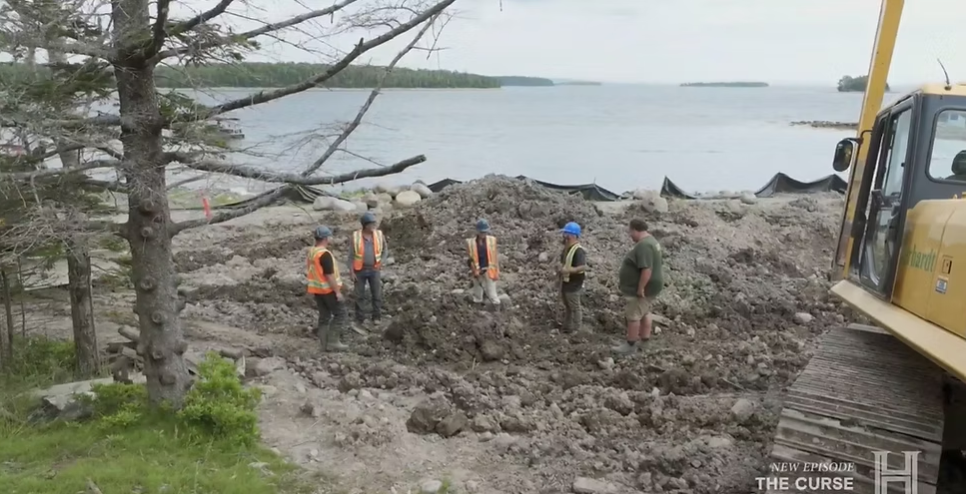
At the Garden Shaft, where a centuries-old tunnel may lie only a few feet away, crews continue to battle natural obstacles, including water infiltration and unstable ground. Every new piece of core sample or structural anomaly invites fresh questions—and in some cases, fuels new speculation about hidden chambers.
Meanwhile, historians and researchers continue poring over recently surfaced documents, hoping to decode their meaning and determine whether they genuinely tie Oak Island to a broader network of 17th-century maritime activity.
A Discovery That Raises More Questions Than Answers
Even as progress continues, experts caution against treating any new lead as definitive proof. Oak Island’s legend is a tapestry woven from fact, folklore, maritime history, engineering marvels, and centuries of passionate seekers. Each discovery—whether a shard of pottery or a structural feature buried deep underground—adds a stitch to an ever-growing narrative.
What is clear is that the island holds secrets far older and more complex than once believed. Whether those secrets involve pirates, privateers, engineers, or unknown groups, the story continues to evolve.
For the Lagina brothers and the modern exploration team, the journey is far from over. In many ways, it may only be beginning.