New team member faces disaster on his first shift at the gold mine
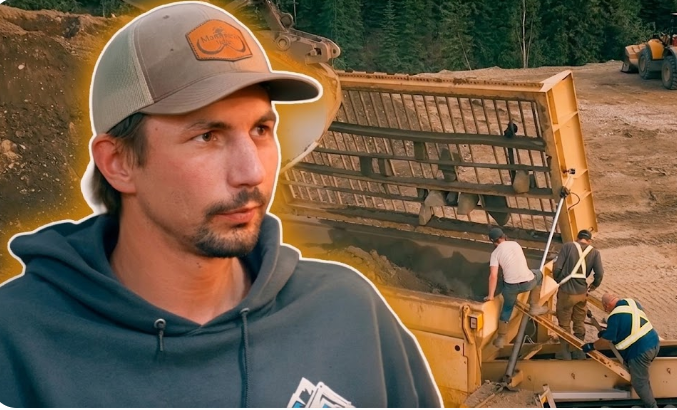
In the high-pressure world of Yukon gold mining, crew dynamics can shift as quickly as the ground being excavated. One moment, a miner may be part of a major operation; the next, they may find themselves searching for a new start. That reality was on full display during a recent sequence of events in the Klondike, where miner Taven Peterson experienced both a sudden dismissal and an unexpected second chance.
The story highlights not only the challenges of leadership in large mining crews but also the resilience required to survive in the demanding environment of northern gold mining.
A Difficult Conversation Ends One Chapter
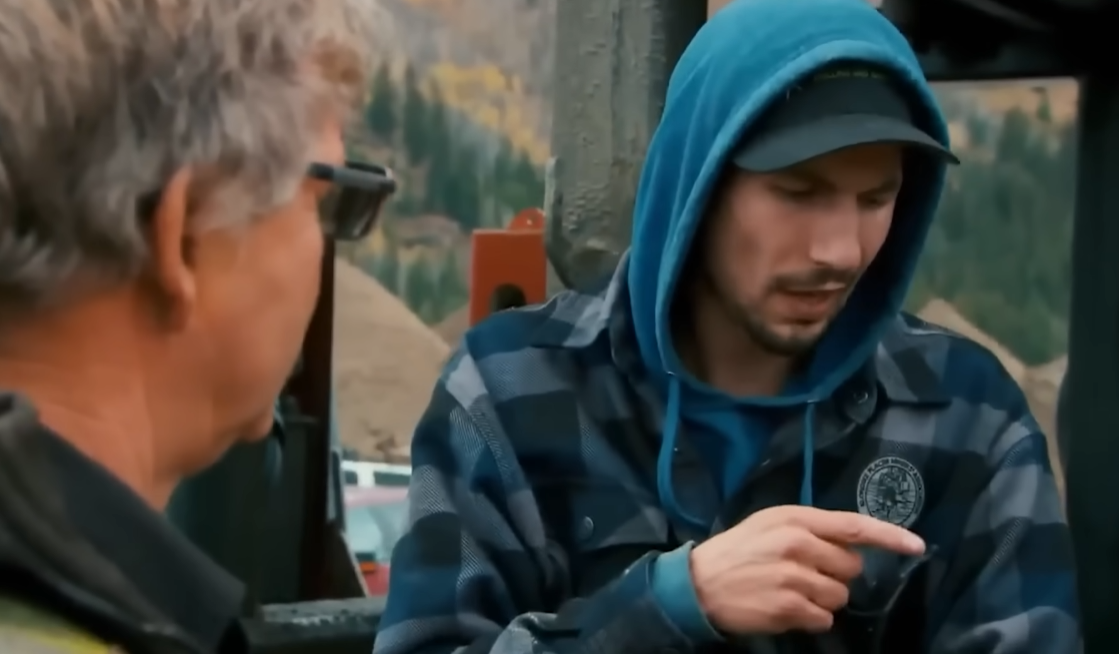
Taven Peterson’s departure from Parker Schnabel’s crew came during a tense meeting that reflected the strict expectations inside one of the Klondike’s largest mining operations.
According to the exchange, supervisors expressed concerns about Peterson’s working style and communication. While Peterson believed he was contributing positively by offering suggestions and tracking productivity, management viewed his behavior differently.
“You just have a really attitude for this place,” one supervisor told him during the meeting. “You’re very much a know-it-all.”
Peterson attempted to explain that he was trying to help and take pride in his work. However, the conversation quickly revealed deeper frustrations about team structure and following instructions on site.
In large mining operations, where dozens of workers coordinate machinery, schedules, and safety procedures, adherence to leadership decisions is critical. Even small disagreements in workflow can affect the pace of production.
Ultimately, the decision was made to end Peterson’s role with the crew.
Determined to Stay in Mining
For many workers, losing a position in such a demanding industry might signal the end of the season. But Peterson was determined to continue pursuing his career in gold mining.
“I love gold mining,” he later explained. “And I can’t afford to go home yet.”
Instead of leaving the Klondike, he began searching for opportunities with other operations in the region.
His strategy was simple: visit nearby claims and ask whether any crews needed additional workers.
In the tightly connected mining community of the Yukon, where skilled operators are often in short supply, such direct approaches are not uncommon.
A New Start at Scribner Creek
Peterson eventually found a new opportunity working with Kevin Beets at the Scribner Creek operation.
The Beets family has long been one of the most prominent mining groups in the Klondike, known for operating large claims and employing experienced crews. Joining their operation offered Peterson a chance to rebuild his reputation.
Almost immediately, he was assigned to operate equipment at the wash plant during night shifts.
Running a wash plant is one of the most important roles on a mining site. The machine processes pay dirt, separating gold from gravel and sediment. Maintaining steady operation ensures that production continues around the clock.
For Peterson, the assignment represented both trust and pressure.
“I want to be on a winning team,” he said, acknowledging that he needed to prove himself after his earlier dismissal.
A Crisis During the First Night Shift
Peterson’s first major test came just ten hours into his very first night shift.
Suddenly, the wash plant shut down.
Investigating the problem, Peterson discovered that an enormous rock had slipped through the grizzly bars—metal screens designed to block oversized stones from entering the plant’s feeder system.
The rock had become lodged inside the hopper, blocking the conveyor that feeds material into the processing equipment.
Such incidents can be serious. If large rocks reach internal components, they can damage expensive machinery and bring production to a halt.
With the plant stopped, Peterson called for assistance.
Day shift workers Chelsea March and Tyler Potter arrived early to help solve the problem.
An Improvised Solution
The team quickly realized the rock was too large to remove easily by hand.
Their solution involved digging beneath the stone to create a small tunnel and wrapping a heavy chain around it. The chain was then connected to the grizzly bars, allowing the crew to use hydraulic force to lift and dislodge the rock.
It was a creative but practical solution commonly used in mining operations when heavy equipment cannot easily reach the obstruction.
After several tense moments and adjustments, the rock finally broke free.
The wash plant roared back to life.
“It was a little chaotic,” Peterson later admitted, “but the plant’s running again. That’s what counts.”
Recognition from the Crew
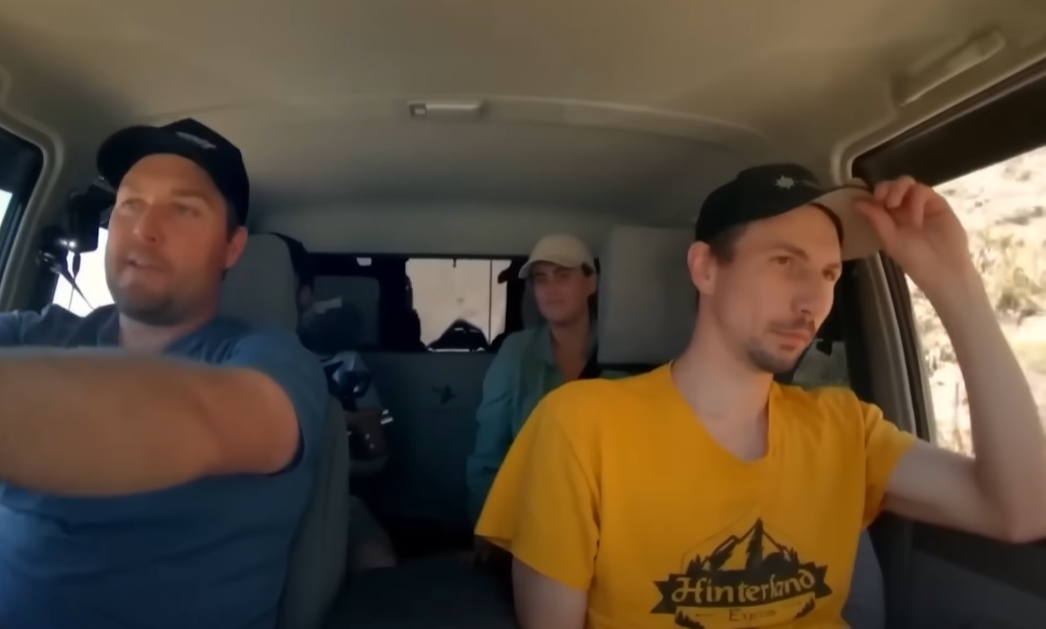
The following morning, Kevin Beets visited the site to review the situation.
Rather than criticizing the disruption, he praised the crew’s quick thinking.
“Good job,” Beets told Peterson after hearing how the problem had been resolved.
Maintaining continuous production is one of the most important goals in mining operations, where even short shutdowns can result in lost revenue.
By restoring the plant quickly, Peterson and the team prevented a potentially costly delay.
A Strong Gold Weigh
The successful restart came just in time for an important moment: Kevin Beets’ first gold weigh in two weeks from the newly opened Sphinx cut.
The results were encouraging.
After processing two weeks of material, the team recovered 245 ounces of gold.
At current market prices, the haul was valued at approximately $876,000—Beets’ best gold weigh of the season and an increase of roughly 80 ounces compared with the previous total.
The strong result suggested that the new mining area may hold promising pay dirt.
A Reminder of Mining’s Unpredictability
The events surrounding Peterson’s journey—from dismissal to solving a critical problem on a new crew—reflect the unpredictable nature of gold mining life.
In the Klondike, success depends not only on the richness of the ground but also on teamwork, adaptability, and resilience.
Workers must constantly prove themselves in an environment where every hour of production counts.
For Taven Peterson, the experience has already become a defining moment in his season.
And in a place where fortunes can change overnight, the next chapter of his mining career may only be just beginning.