New clues suggest a pre-existing human presence on Oak Island — What were found on Oak Island?

For more than two centuries, Oak Island has captivated historians, treasure hunters, and television audiences with its enduring mystery. The small island off the coast of Nova Scotia has long been associated with elaborate underground engineering, strange artifacts, and theories linking the site to some of history’s most secretive groups. Now, new clues emerging from recent investigations suggest that human activity on Oak Island may date back even earlier than many researchers previously believed.
For viewers of The Curse of Oak Island, this possibility could reshape the narrative that has guided the search for years. While much attention has focused on the legendary Money Pit and the sophisticated flood tunnel system believed to protect it, new archaeological evidence hints that the island may have hosted visitors long before those structures were created.
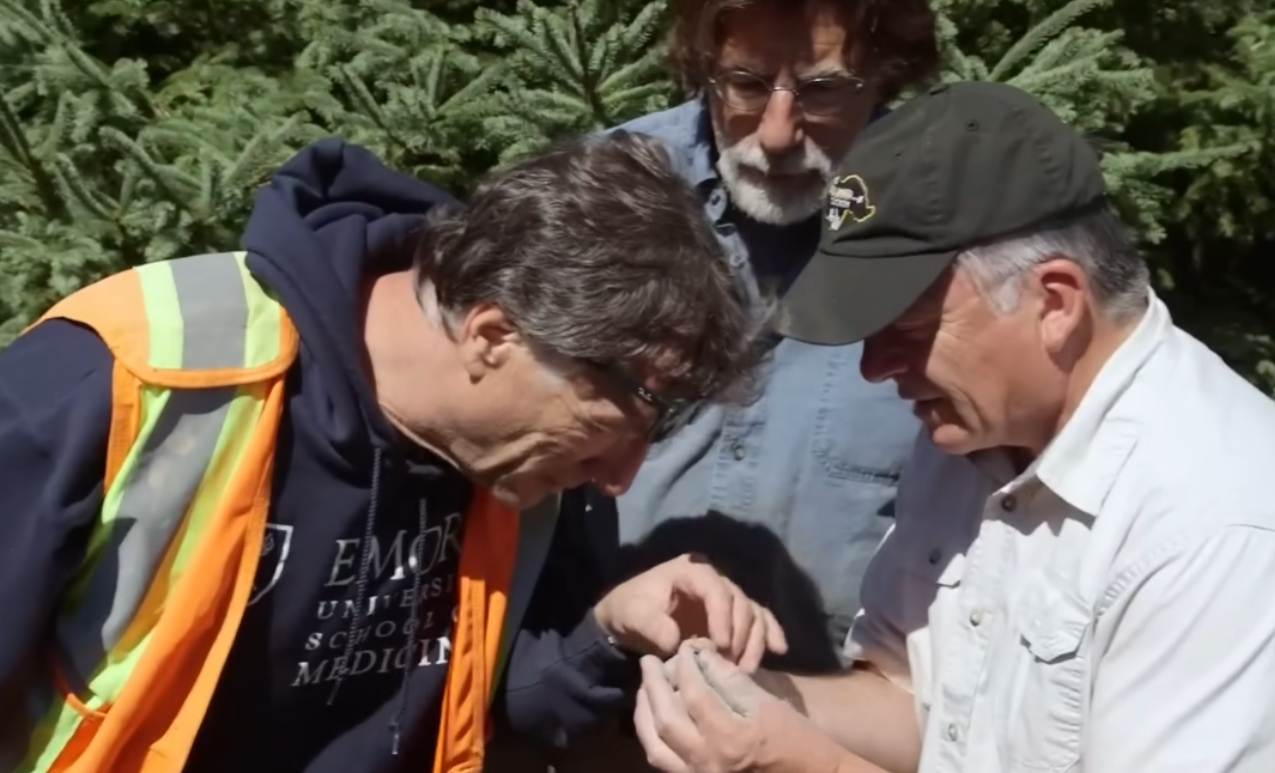
Recent discoveries made during careful excavations in several areas of the island—including sites such as Lot 5 and Smith’s Cove—have revealed artifacts that appear older than many of the previously documented finds. Items such as metal fragments, tools, and coins have suggested European connections dating back centuries. However, some newly analyzed materials may indicate activity that predates even those earlier assumptions.
From an analytical perspective, the significance of these clues lies not only in their age but also in what they may reveal about the sequence of events on Oak Island. If earlier visitors were indeed present before the construction of the Money Pit system, it raises a fascinating possibility: the island may have been used for multiple purposes across different historical periods.
This layered history could explain why the island’s underground structures appear so complex and sometimes inconsistent. Over time, different groups may have modified or expanded earlier works, creating the confusing network of tunnels, shafts, and engineered features that investigators encounter today.
One of the most intriguing possibilities involves early European explorers operating along the North Atlantic during the late medieval period. Maritime expeditions from several European regions—including France, Spain, and Portugal—were known to travel extensively along the Atlantic coast long before formal colonization of the region began. If navigators discovered a naturally sheltered location like Oak Island, it could have served as a temporary staging point for supplies or valuables.
Another theory frequently discussed among historians involves the Knights Templar. Although the idea has been debated extensively, certain artifacts discovered on Oak Island—such as medieval-style metal objects and symbols associated with European orders—have fueled speculation that members of the organization may have transported valuable materials across the Atlantic after the order was suppressed in the early fourteenth century.
While definitive proof of a Templar presence remains elusive, new clues suggesting earlier activity could strengthen arguments that Oak Island’s story began long before the events traditionally associated with the Money Pit.
There is also the possibility that the earliest visitors were not treasure depositors at all. Instead, they may have been traders, fishermen, or explorers using the island as a temporary base. The North Atlantic fishing industry attracted European crews to the region centuries before permanent settlements were established. In that context, Oak Island could have been a convenient stopping point where materials were stored, repaired, or concealed for later retrieval.
If that scenario proves accurate, it may explain why some artifacts discovered on the island appear unrelated to the elaborate engineering associated with the legendary treasure shaft.
For the team featured on The Curse of Oak Island, the discovery of evidence pointing to earlier visitors could significantly influence their investigative strategy moving forward. Rather than focusing exclusively on the Money Pit area, researchers may expand their efforts to examine other parts of the island where traces of early activity have been detected.
Archaeological excavations could become increasingly important in this process. By carefully documenting soil layers and artifact placement, archaeologists may be able to establish a clearer timeline of when different groups occupied the island. Such information could reveal whether the underground structures were created in a single coordinated effort or built gradually over time by multiple parties.
Another likely development involves the continued use of advanced scanning technology. Techniques such as ground-penetrating radar, seismic imaging, and muon tomography have already played a key role in identifying underground anomalies. If earlier construction phases exist beneath the island’s surface, these technologies may help researchers detect buried features that traditional excavation might miss.
Perhaps the most compelling aspect of these new clues is the way they challenge long-standing assumptions. For many years, the Oak Island mystery has been framed around the idea that a single group buried a treasure in the famous Money Pit and protected it with elaborate engineering. However, evidence suggesting earlier activity hints at a far more complex story.

Rather than a single event, Oak Island may represent a series of historical episodes layered on top of one another. Explorers, traders, engineers, and possibly secretive organizations could each have played a role at different times, leaving behind fragments of a story that investigators are still trying to assemble.
For viewers who have followed the Lagina brothers’ search over the years, this possibility adds an entirely new dimension to the mystery. The treasure—if it exists—may not simply be hidden wealth, but part of a much larger historical puzzle stretching across centuries.
As new evidence continues to emerge, the question remains the same one that has fascinated researchers for generations: who came to Oak Island first, and what exactly were they doing there?
The answer could ultimately redefine everything we think we know about the island’s past.