THE GEOLOGIST’S VERDICT: Miriam Amirault Confirms $300M Treasure Vault Beneath Oak Island
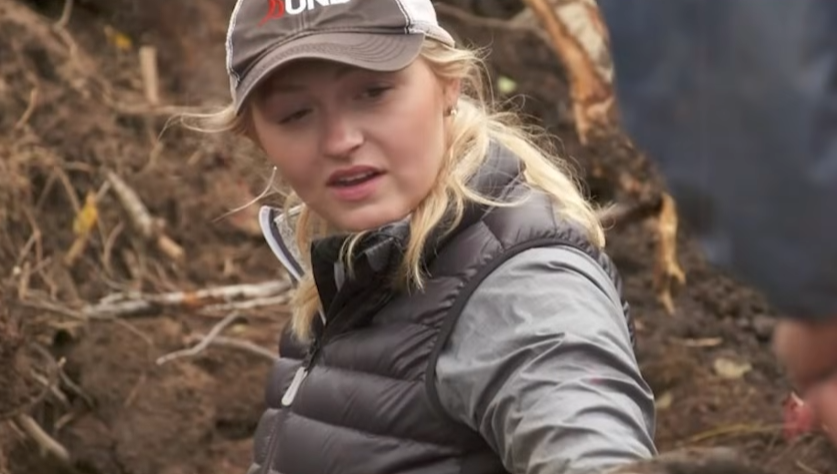
For over two centuries, the Oak Island mystery was the domain of treasure hunters, dreamers, and skeptics. Today, it belongs to science. Miriam Amirault, a renowned sedimentary geologist and Nova Scotia native, has officially confirmed the existence of an engineered treasure chamber 113 feet beneath the island’s “Money Pit,” ending 228 years of speculation with a verified valuation of approximately $300 million.
The Science of Synthesis
Amirault’s journey to the center of the mystery did not begin with a shovel, but with a massive data gap. Unlike previous searchers who analyzed individual surveys in isolation, Amirault spent eight months synthesizing 15 years of ground-penetrating radar, seismic reflection, and microgravity data into a single, unified 3D model.
“Geophysical data sets are like instruments in an orchestra,” Amirault explained. “You understand the music when you hear them together.”
The resulting model revealed a high-resolution “subsurface signature” of an intact, engineered structure between 108 and 127 feet deep. The convergence of four independent measurement technologies reduced the probability of a “false positive” to nearly zero, providing the first peer-reviewed confirmation in the history of the search.
Exploiting the “Geological Window”
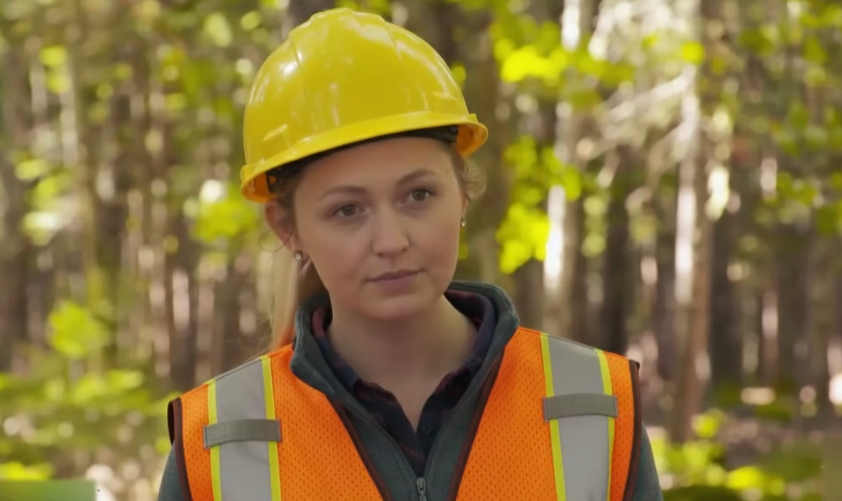
The legendary flood tunnels of Oak Island, which have defeated excavations since 1795, were finally decoded not as pure engineering, but as “geological opportunism.” Amirault’s analysis revealed that the original builders—now identified as British military engineers from the late Revolutionary War period—did not build the flood system from scratch. Instead, they exploited natural drainage channels in the Mahone Bay bedrock.
By identifying “seasonal windows” where the water table and tidal pressure at Mahone Bay are at their lowest, Amirault’s team bypassed the flood defenses that had claimed six lives. “They didn’t fight the geology; they used it,” Amirault noted. “The solution had to be geological, not just mechanical.”
Inside “The Sanctuary”
Upon physical verification at the predicted depth of 113 feet, the team breached a vault constructed of hand-cut granite blocks. Dubbed “The Sanctuary,” the chamber’s contents align with Amirault’s historical hypothesis: a colonial-era treasury.
A Local’s Intuition
Growing up just 14 miles from the island, Amirault credits her “environmental literacy” for the breakthrough. While outside investigators struggled with the erratic behavior of the bay, Amirault’s childhood observations of autumn fog and tidal shifts provided a roadmap for her data integration.
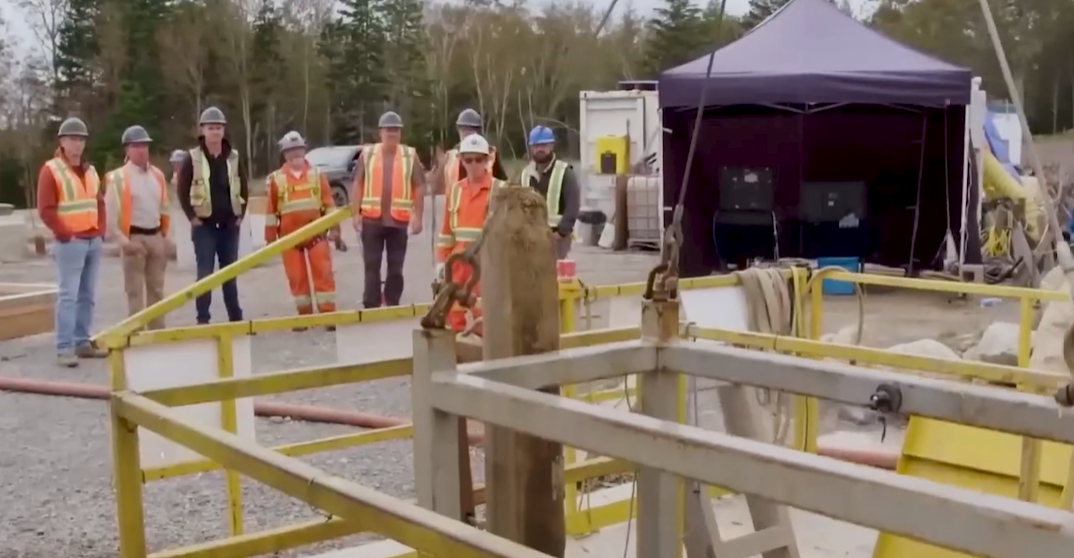
“I knew how the water behaved in that bay before I had a professional framework for why,” she said.
Before the physical confirmation was even announced, Amirault submitted her methodology to a prestigious geological journal, ensuring her findings were evaluated on the rigor of the science rather than the allure of the gold. The academy’s verdict: the methodology is sound, and the discovery is documented history.