Historic Oak Island Discovery Reveals a Buried Treasure Chamber Hidden for Over 200 Years!
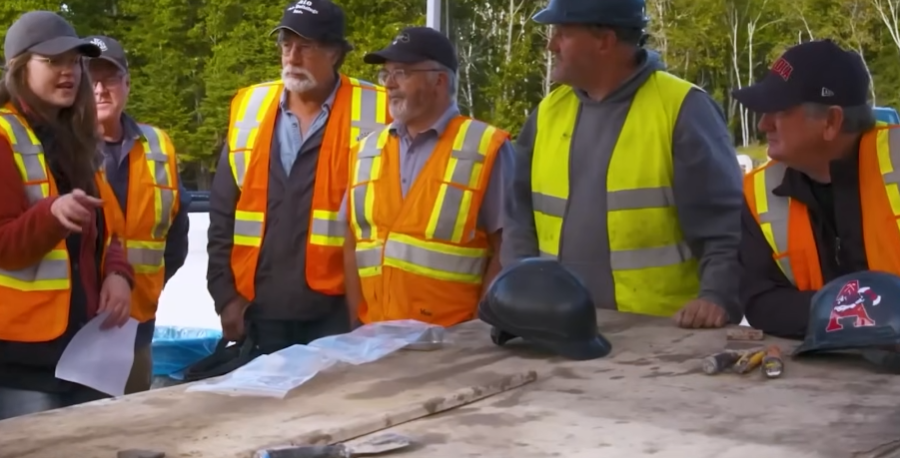
In a twist of fate that has stunned the archaeological world, the most significant discovery in the history of Oak Island did not come from a multi-million dollar satellite survey or a complex geological theory. Instead, it began on a mundane Tuesday in late August due to a simple equipment scheduling conflict.
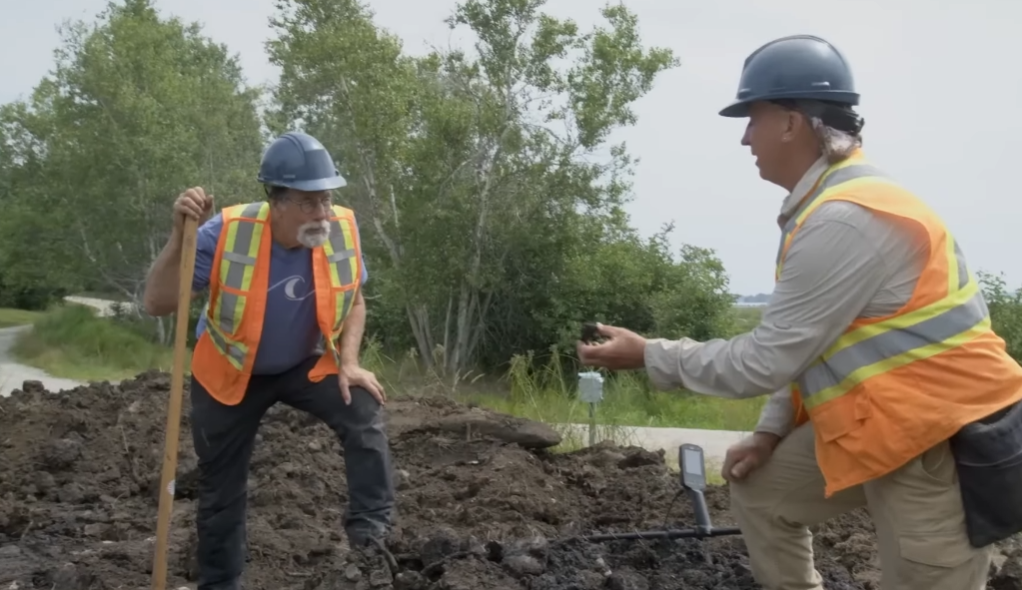
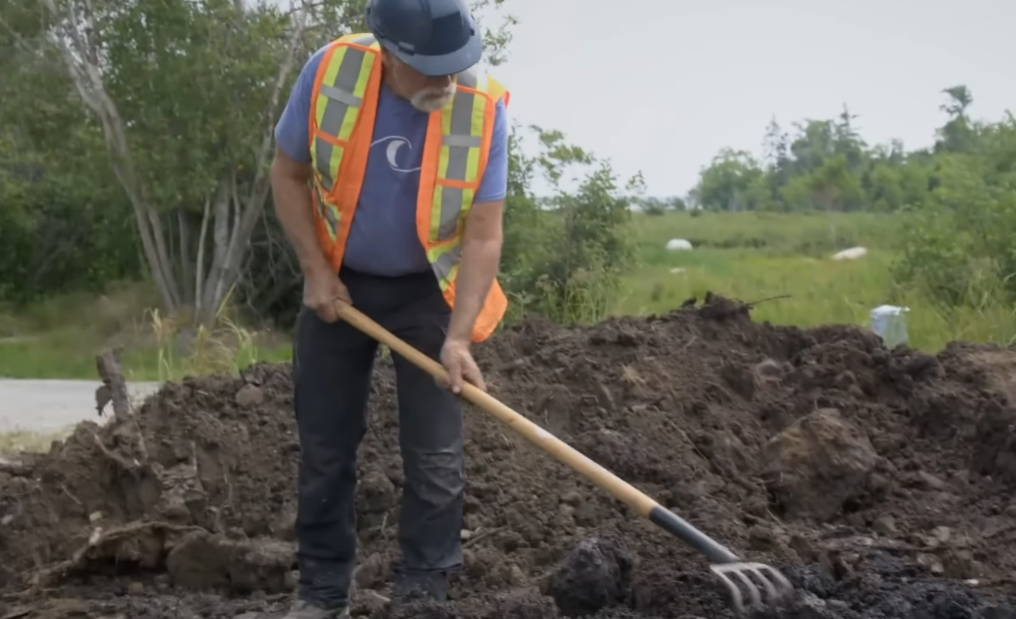
When a backhoe was redirected to a “low-priority” zone on the island’s western side to keep an operator productive, it struck a layer of worked timber at 34 feet. The result? The first successful breach of a completely intact, unflooded, and sealed treasure chamber since the mystery began in 1795.
The Anatomy of the Find
The discovery occurred in a section of the island previously labeled “inconclusive” by researchers for over seven years. While primary resources were focused on the eastern “Money Pit” area, the backhoe operator—a four-season veteran of the island—recognized that the timber pulled up by his bucket was not geological debris.
The wood was hard, dry, and bore clean hand-tool marks, suggesting it had been housed in a moisture-sealed environment. This triggered an immediate “archaeological opening” protocol, involving structural engineers from Halifax and senior archaeologists.
Inside the Vault: The Three Sections
The chamber, measuring approximately 22 feet by 14 feet with a 6-foot ceiling, was engineered with a sophistication rarely seen in late 18th-century colonial construction. Unlike the scattered “Money Pit” debris of the past, this vault was organized into three distinct functional zones:
-
The Archive (Section I): Located near the entrance, this area contained organic materials, primarily parchment and official correspondence preserved in lead-lined containers.
-
The Armory (Section II): Stacks of metal objects and artifacts arranged with military precision.
-
The Treasury (Section III): The deepest part of the vault, containing a massive deposit of gold and silver bullion.
A $160 Million Time Capsule
Following an eight-week assessment, independent specialists have valued the metallic contents alone between $140 million and $160 million. The chemical profile of the coinage suggests they were part of British military financial reserves during the American Revolutionary War (1779–1783), likely consolidated from Caribbean trade networks.
However, historians argue the “real” treasure lies in the first section. The recovered documents appear to be legible official records from the final years of the Revolutionary War—a period with significant gaps in the British colonial record.
From Mystery to History
The discovery proves that the original builders were not merely hiding gold; they were creating a sophisticated, dry-storage bunker designed to outlast centuries of search efforts. By choosing a location away from the “decoy” Money Pit and using a sealing method that mimicked natural geological signatures, the vault remained invisible to modern sensors.
“We weren’t just looking for something,” said one team member. “We were building the capacity to handle it correctly when we found it.”
As the site transitions from a private treasure hunt to a protected site of global historical heritage, the questions are only beginning. The gold may have been found, but the story of why it was placed there is just starting to be read.