From £114 to £59 Million: How Jeremy Clarkson Turned Farm Failure into a Fortune
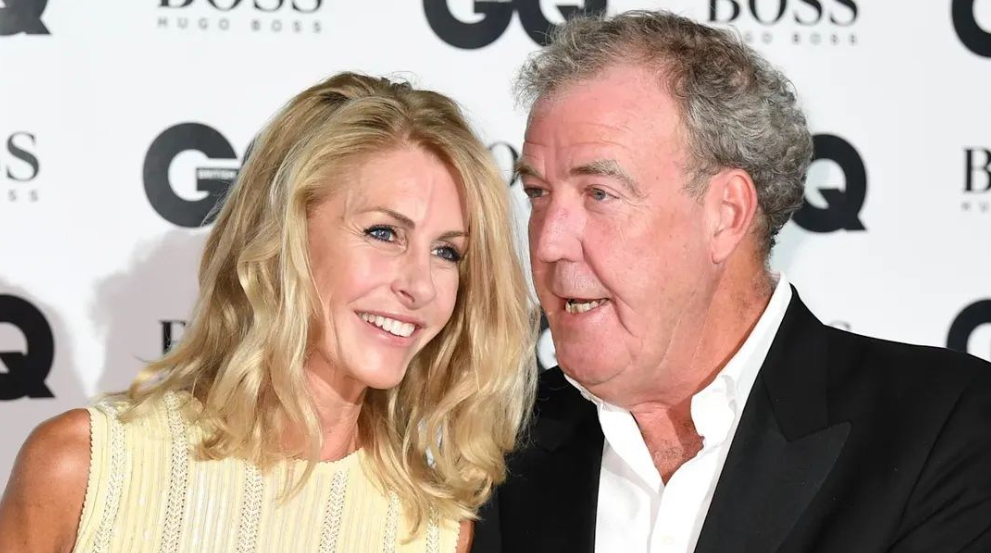
Jeremy Clarkson has always been one of Britain’s most recognizable and polarizing media figures — a man whose career has swung from roaring engines on Top Gear to the muddy fields of Clarkson’s Farm. Despite recent headlines about “significant losses” on his Diddly Squat Farm, Clarkson’s financial empire appears remarkably resilient. But as the media landscape shifts and his farming challenges continue, the big question is: how much longer can his fortune hold steady?
From Cars to Crops: The Making of a Media Powerhouse
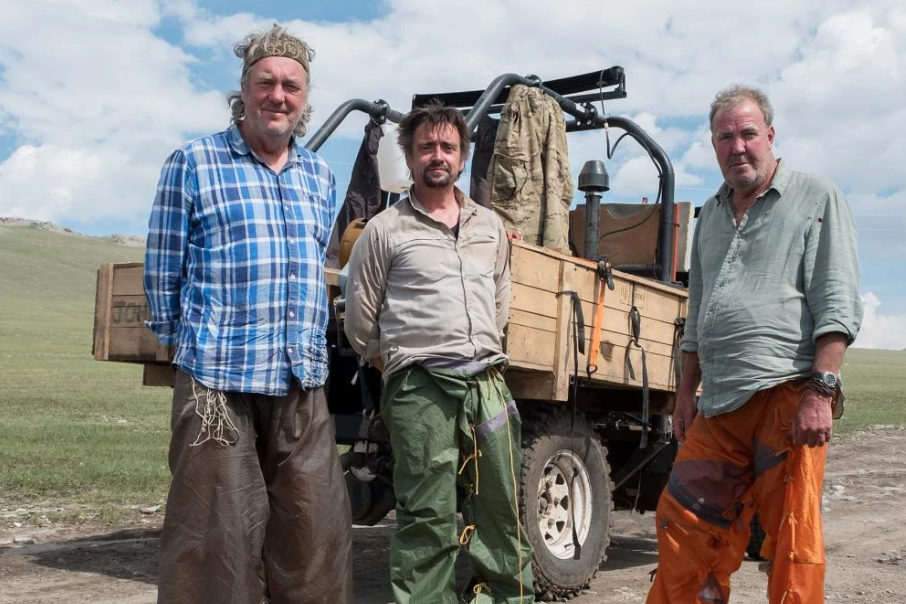
Clarkson’s rise began humbly, writing for the Rotherham Advertiser as a motoring journalist. By the late 1980s, he joined Top Gear — then a modest car review program — and transformed it into a global phenomenon. Alongside co-hosts Richard Hammond and James May, he redefined automotive entertainment, mixing irreverent humor, global adventures, and genuine car expertise.
During this golden period, Clarkson became one of the BBC’s highest-paid stars. His estimated annual salary reached into the millions, with the broadcaster heavily relying on the trio’s chemistry to drive viewership. Yet, the real financial windfall came when Clarkson and his partners co-founded Bedder 6, the production company that held the rights to Top Gear. When the BBC later bought out his 50% stake, it significantly boosted his personal wealth.
The Amazon Era: The £160 Million Power Shift
When Clarkson, Hammond, and May departed the BBC in 2015 following Clarkson’s infamous fallout with producers, many wondered if his career would fade. Instead, it went supercharged. Amazon Prime quickly snapped up the trio for The Grand Tour, offering a staggering £160 million contract for 36 episodes — one of the biggest deals in streaming history at the time.
Reports suggest Clarkson earned as much as £10 million annually during this phase, not including royalties, merchandise, and global distribution revenue. His ability to reinvent himself — from controversial BBC presenter to global streaming figure — underscored his adaptability and market value.
Clarkson’s Farm: The Struggle for Authenticity
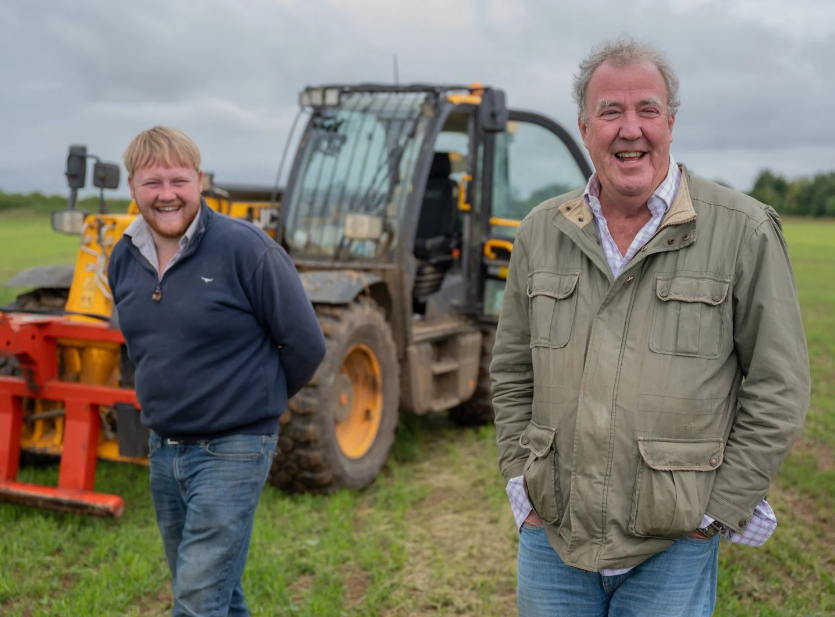
In 2021, Clarkson shocked fans again — this time not with speed, but with soil. Clarkson’s Farm, produced for Amazon Prime, chronicled his real-life journey into agriculture at Diddly Squat Farm in Oxfordshire. The show was a massive success, praised for its humor, honesty, and unexpected emotional depth. Viewers saw Clarkson’s frustration as he faced unpredictable weather, government bureaucracy, and heartbreaking animal losses — including the death of several newborn piglets.
But behind the humor lay a sobering financial truth: his farm’s first-year profit reportedly amounted to just £114. For someone used to multimillion-pound contracts, it was a humbling reality check. Still, Clarkson’s Farm achieved what few reality shows could — it humanized its host and drew record viewership for Prime Video.
Where the Money Still Flows
Despite agricultural struggles, Clarkson’s financial base remains strong. His estimated net worth of £59 million is backed by diverse income streams:
-
Television: Between Who Wants to Be a Millionaire?, Clarkson’s Farm, and The Grand Tour, Clarkson remains one of the most bankable personalities on British TV.
-
Publishing & Journalism: His books, columns for The Sunday Times and The Sun, and assorted writing deals contribute significant annual revenue.
-
Speaking Engagements: It’s reported he earns up to £25,000 per after-dinner appearance.
-
Classic Car Collection: Valued at over £500,000, this collection adds both financial and nostalgic value to his portfolio.
His ITV contract for Who Wants to Be a Millionaire? alone reportedly doubled his previous BBC salary, adding an extra £3 million a year to his income. This combination of legacy media, streaming success, and live appearances ensures that Clarkson’s financial decline is far from imminent.
Forecast: A Future Balancing Fame and Frustration
Looking ahead, Clarkson’s greatest challenge may not be financial, but cultural. The media environment that once celebrated his brash personality has become more polarized. His controversial newspaper columns and outspoken remarks occasionally spark backlash, and ITV has already hinted at limiting his future appearances. Meanwhile, his farming brand — despite its sincerity — faces practical limits due to Britain’s tightening agricultural regulations and unpredictable market forces.
Still, Clarkson’s adaptability remains his strongest asset. Industry insiders predict that Clarkson’s Farm could spin off into a broader franchise — featuring spin-off content, agricultural partnerships, or even eco-brand collaborations. As sustainability becomes a global priority, Clarkson’s “reluctant farmer” image could transform from comedy to advocacy, attracting a new generation of viewers.
The Bottom Line
Jeremy Clarkson’s financial journey reflects more than just celebrity wealth — it’s a masterclass in reinvention. From the high-octane world of Top Gear to the mud and grit of Clarkson’s Farm, he has turned risk into opportunity time and again.
While farming may never make him rich, it has given him something equally valuable: credibility. And in today’s entertainment economy, where authenticity sells as much as fame, that might just be Clarkson’s most profitable investment yet.