THE KLONDIKE WAR: Parker Schnabel Moves In as Tony Beets Faces Historic Ban
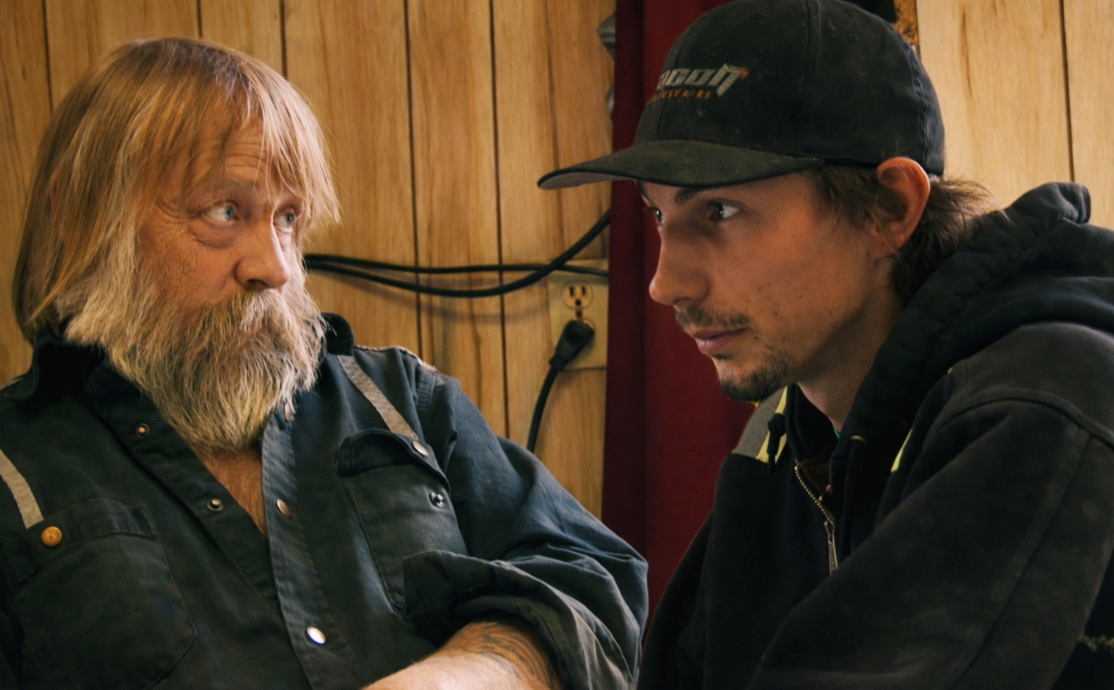
The hierarchy of the Yukon mining world has been upended overnight following a dramatic government shutdown of Tony Beets’ operations. In a move that has sent shockwaves from the gold pits to the territorial offices, the legendary “King of the Klondike” has been sidelined by red tape, leaving the door wide open for his fiercest rival, Parker Schnabel, to seize control of the region’s most contested ground.
The Fall of an Empire
The silence at Beets’ Paradise Hill claim is deafening. Government inspectors arrived at dawn earlier this week to place red seals on Beets’ massive iron dredges, effectively halting all production. The official report cites “unauthorized expansion trenches,” failure to comply with reclamation orders, and disrupted creek flows.
However, a darker narrative is emerging. Leaked memos suggest “third-party submissions” provided the evidence used to trigger the closure, leading many in the mining community to suspect a coordinated effort to de-platform the veteran miner. Beets, never one to mince words, was seen shouting at officials: “You don’t tell me where to dig! I’ve been here longer than these paper-pushers have been alive.”
Schnabel’s Surgical Strike
While Beets remains mired in bureaucracy, 29-year-old Parker Schnabel has demonstrated why he is the most formidable force in modern mining. Within 72 hours of the ban, Schnabel’s trucks were rolling. Operating under a newly formed entity, “Klondike North Ventures,” Schnabel successfully acquired secondary leases and access corridors surrounding the Beets claim.
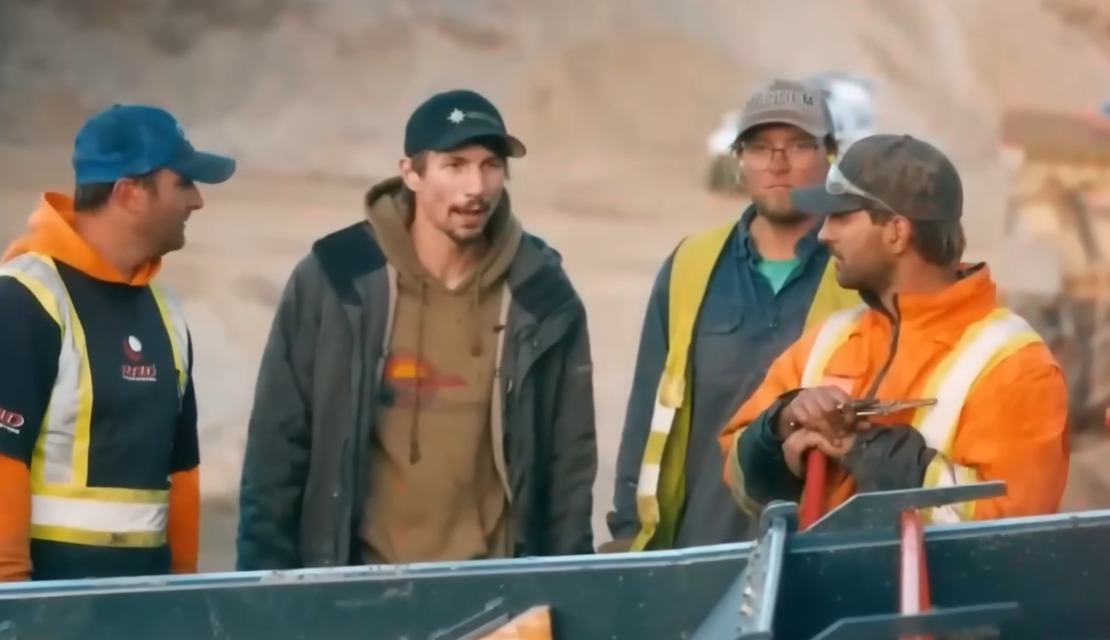
By securing the “fringe” ground, Schnabel has effectively boxed in the Beets operation, cutting off potential runoff channels and expansion routes. His crews are now working 24-hour shifts under massive floodlights, extracting high-grade ore from the very edges of the restricted zone.
“The Yukon rewards the bold and buries the hesitant,” one insider noted. “Parker didn’t just find a hole in the market; he created a perimeter around a rival.”
Sabotage and Shadows
The tension has escalated beyond legal filings. Reports of “gold war” tactics have surfaced from both camps. Schnabel’s supervisors reported perimeter sensors being tripped, tire tracks from unidentified vehicles, and mysterious drones hovering over their wash plants at night. Conversely, Beets has accused Schnabel’s team of corporate collusion with environmental firms.
Even more disturbing are reports of “shadow operations.” Rumors suggest Beets is moving equipment under the cover of darkness to an unregistered, off-grid site in a remote gulch to keep his gold flow alive. “If the government wants to shut down my name, I’ll start again without one,” Beets reportedly told his inner circle.
The Cyanide Scandal
The conflict took a toxic turn when photos emerged of rusted barrels labeled “Cyanide Residue” half-buried in a storage pit at a Beets transport yard. While Beets claims he is being framed—insisting the barrels predated his arrival—the discovery has given the Yukon Mining Board the leverage needed to consider making his ban permanent.
A Legal Deadlock
As the battle moves to the Yukon Supreme Court, the narrative of the “Golden Boy” versus the “Outlaw” has fractured. Public opinion is split between those who admire Schnabel’s ruthless efficiency and those who see a “corporate vulture” picking over a fallen legend.
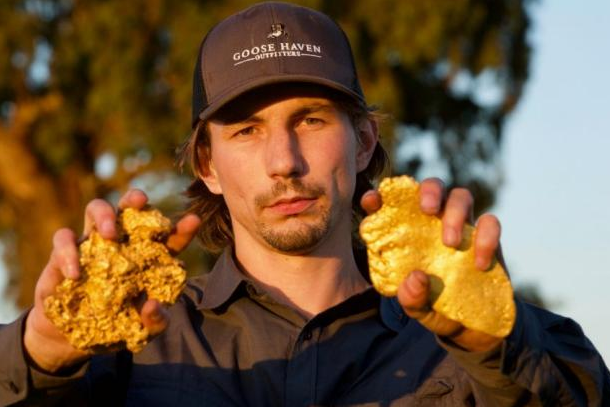
With both operations currently in a state of legal limbo pending a full-scale inquiry, the Klondike sits in a tense, frozen stalemate. Yet, beneath the permafrost, a massive subsurface anomaly has been detected—a pay zone estimated to hold tens of millions in gold. As the spring thaw approaches, the question is no longer just about who owns the dirt, but who will be left standing to dig it.