Rick Ness is risking the final season of his career with a $1 million prize.
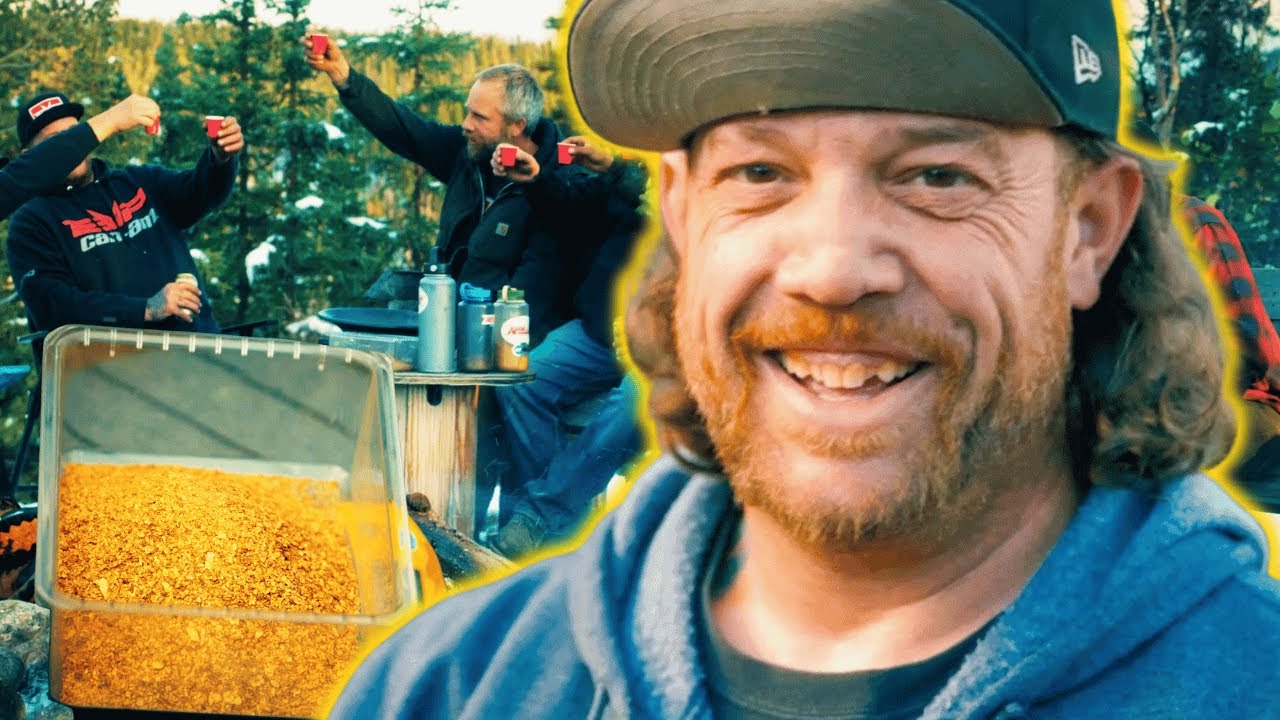
As the mining season edges toward its final weeks, pressure tightens around Gold Rush veteran Rick Ness. With winter closing in and permits nearing their limit, Ness finds himself facing one of the most decisive moments of his career—one that could determine not only the outcome of the season, but the future of his operation at Duncan Creek.
After an early-season high point at Rally Valley, where gold returns were steady and reliable, Ness struggled to locate another productive zone. That search led him to Vegas Valley, a site buried deep beneath layers of overburden and uncertainty. Reaching it required weeks of stripping, constant equipment strain, and an enormous financial commitment. For more than a month, the crew worked without seeing any gold return, carrying the weight of mounting costs and dwindling time.
“It’s got to be good ground to make it work,” Ness admitted as the crew prepared for what he hoped would be a turning point. Mining, he knows, is unpredictable by nature. With a water licence close to expiring and cold weather threatening to shut everything down, there was little room left for hesitation or error.
The atmosphere at camp reflected that tension. Long hours, shared living spaces, and the strain of uncertainty tested morale. Ness acknowledged how easily pressure can spread through a crew when progress stalls. But as the season reached its closing stretch, a boost arrived in the form of a familiar face. With Z returning to camp, the team was back at full strength, bringing renewed structure and energy to daily operations.
“We’re up and running right now,” Ness said. “We’ve got a shot at it.” After weeks of carrying the stress of zero production, simply washing dirt again felt like a step forward.
That optimism was quickly challenged. Just as Monster Red—the wash plant critical to processing Vegas Valley pay—came back online, a water line failure forced an emergency shutdown. What initially appeared to be a simple fix exposed a far more serious issue: significant damage to the plant’s screen decks.
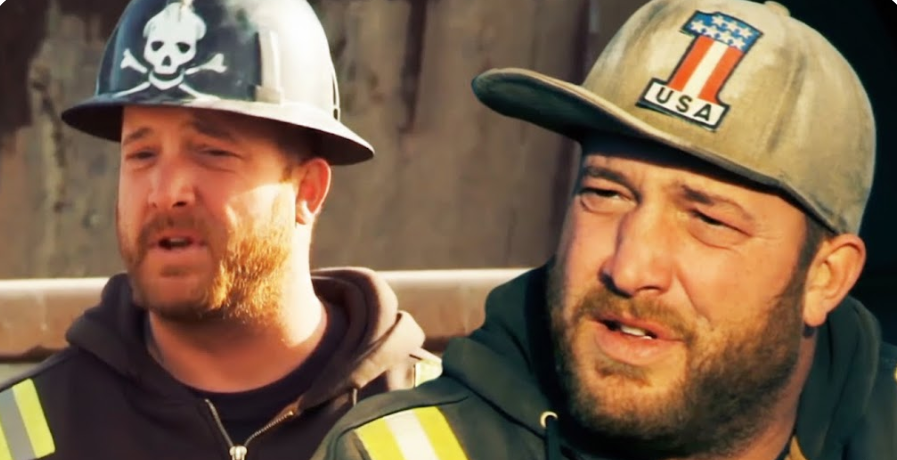
Large rocks had punched through the top screen, cascading onto the lower deck and causing widespread damage. Left unchecked, the problem would have continued destroying components and sending unprocessed material through the system. Ironically, the hose failure may have prevented an even longer shutdown later in the day.
Ryan and the crew moved fast, replacing multiple screen panels and checking every section of the plant. The downtime cost hours, but it also prevented further losses. Once repairs were complete and Monster Red was restarted, the mood shifted again—this time toward cautious anticipation.
With the plant finally running Vegas Valley material, the moment of truth arrived. For Ness and his crew, this was the first real indication of whether the months of effort had been justified. Rally Valley had previously averaged around 300 ounces per week. Ness hoped Vegas Valley could at least approach that level to keep the season viable.
As the gold room clean-up began, the tension was obvious. Ounces were counted carefully, each number bringing the crew closer to an answer. When the final tally reached 256.7 ounces—worth more than $670,000—the reaction was immediate relief.
“That’s over half a million dollars for one run,” Ness said, addressing his crew. The result wasn’t just a financial boost; it was proof that Vegas Valley held real promise. While it didn’t fully match Rally Valley’s peak output, it delivered enough gold to keep the season alive.
More importantly, it restored momentum. After weeks of digging with no visible reward, the crew finally had confirmation that their effort had not been in vain. Ness made a point of thanking his team, acknowledging the long days, the setbacks, and the faith required to push through uncertainty.
“We’re so close to the end,” he told them. “All we need is a couple more weeks.”

The result doesn’t erase the challenges ahead. Winter weather remains a constant threat, and equipment reliability will continue to be tested. But the first Vegas Valley run changed the tone of the season. Instead of scrambling to recover lost ground, Ness now has a realistic path forward.
For viewers, the episode captures what defines modern gold mining more clearly than any gold total alone. Success is rarely instant. It is built through persistence, technical problem-solving, and the ability to manage pressure when outcomes are uncertain. A single breakdown can threaten weeks of work; a single clean-up can restore belief.
As the season enters its final phase, Rick Ness is no longer searching for answers beneath layers of dirt. He has found proof that Vegas Valley can deliver—and with it, a chance to finish strong. Whether the remaining weeks will be enough remains to be seen, but for now, the season is back on track, and hope is once again flowing through Monster Red.