Jeremy Clarkson makes Diddly Squat Farm decision after ‘sad’ moment
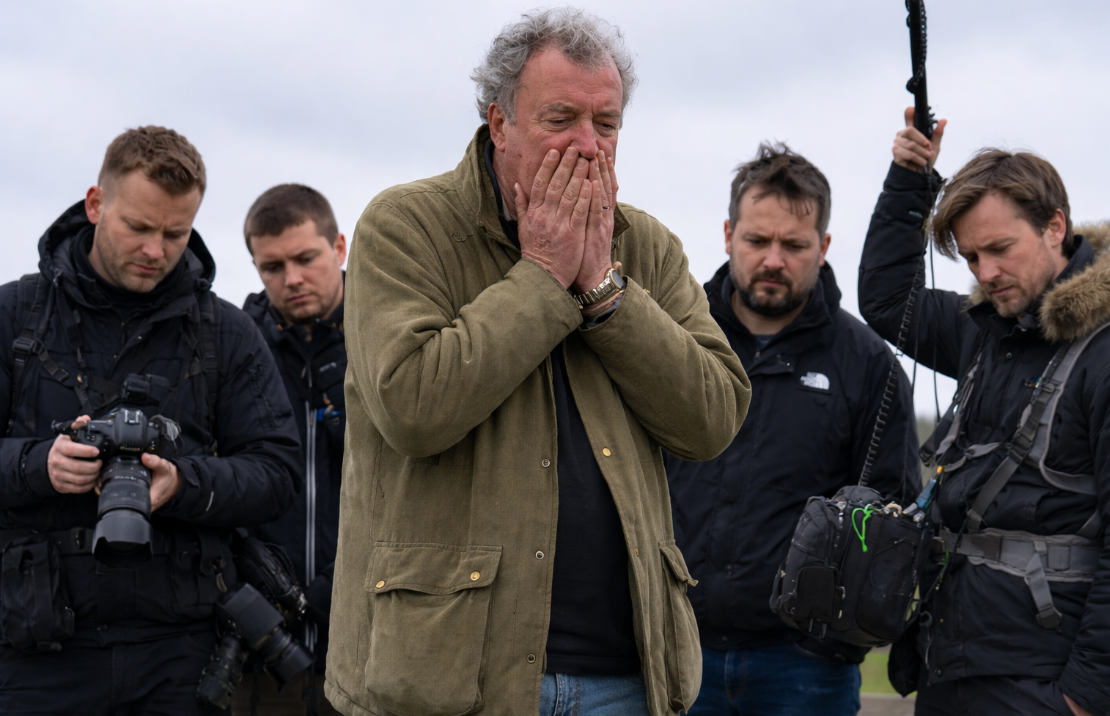
Jeremy Clarkson, the man once synonymous with the roar of V8 engines and a “power at all costs” mantra, has quietly engineered one of the most successful avian conservation projects in the Cotswolds. Recent surveys at Diddly Squat Farm have confirmed that the 1,000-acre estate is now home to 45 distinct bird species, shattering the national average of 27 for a typical working farm.
The transformation follows what Clarkson describes as a “poignant and sad” realization upon taking over the reigns of the property in 2019. Despite purchasing the land—including Curdle Hill Farm—in 2008, it wasn’t until he began farming it himself that he noticed a haunting silence.
From Empty Skies to Ecological Intent
“Since 1970, bird numbers have plummeted by more than 60%,” Clarkson wrote in a recent Sunday Times column. “When I first bought Diddly Squat, this sorry state of affairs was obvious. I’d go for a walk and the skies were completely empty.“
Determined to reverse the trend, the Clarkson’s Farm star initiated a series of radical environmental shifts that prioritize local biodiversity over maximum crop yield. Rejecting the standard agricultural practice of trimming hedges to the bone, Clarkson allowed his hedgerows to grow wild and thick.
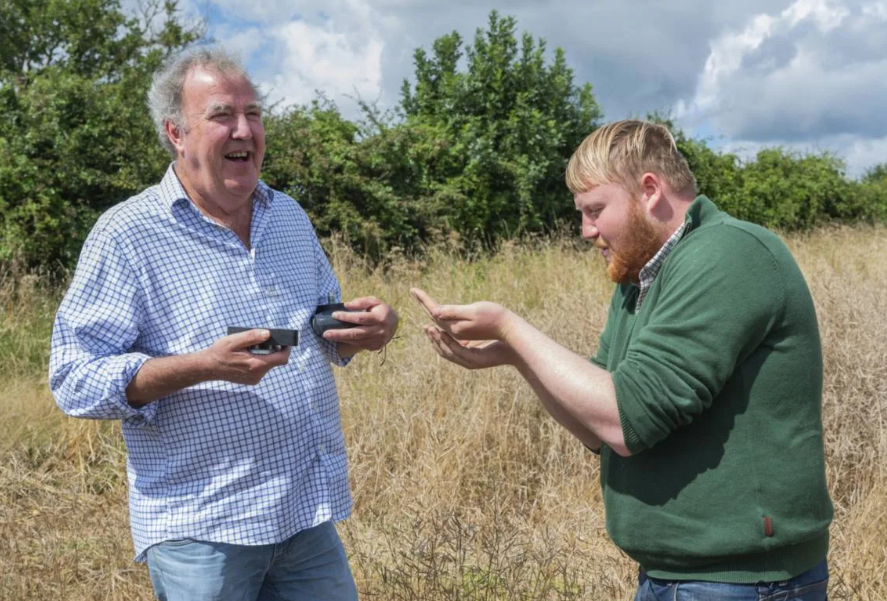
Furthermore, while UK regulations typically require farmers to leave margins of 4 to 6 meters around field edges, Clarkson extended these to 10 meters in several key areas. This decision, while effectively reducing the farm’s food production capacity, has created a robust “buffer zone” for ground-nesting birds and small mammals.
“Diggers for Good” and Wildflower Woes
The restoration project has been a blend of high-level ecology and Clarkson’s trademark love for heavy machinery. Under the guidance of bird expert Hannah Bourne-Taylor—the conservationist famous for her 84-day extended stay in Ghana to protect a bird nesting in her hair—Clarkson has aggressively expanded the farm’s water sources.
“She told me to rent a digger and make more ponds because birds don’t like to travel,” Clarkson noted. These ponds serve as vital watering holes for species like the Corn Bunting, which rarely strays more than a mile from its birthplace.
However, the road to restoration has not been without its setbacks. Attempts to plant wildflower strips—intended to attract insects for the birds to snack on—were thwarted by a period of exceptionally dry weather, leaving many of Bourne-Taylor’s “Latin-named” recommendations dormant in the soil.
The Return of the “Boring” and Beautiful
Despite the botanical challenges, the avian results are undeniable. Bourne-Taylor’s census of the property identified Whitethroats, Goldfinches, Buntings, and Skylarks among the 45 species present. In a characteristic display of wit, Clarkson described most of the newcomers as “small and boring,” yet admitted he was immensely pleased to see the efforts pay off.
The success at Diddly Squat comes at a time when Clarkson’s broader business ventures, including The Farmer’s Dog pub, are under significant financial pressure. While he recently admitted the pub is “costing a fortune” to operate, the environmental “profit” at the farm appears to be providing a different kind of satisfaction.
The man who spent decades obsessed with “Top Gear” has finally found a different kind of high-performance metric: the frequency of a skylark’s song over the Oxfordshire hills.