Jeremy Clarkson’s massive net worth revealed in 2026: A figure reaching hundreds of millions of dollars.
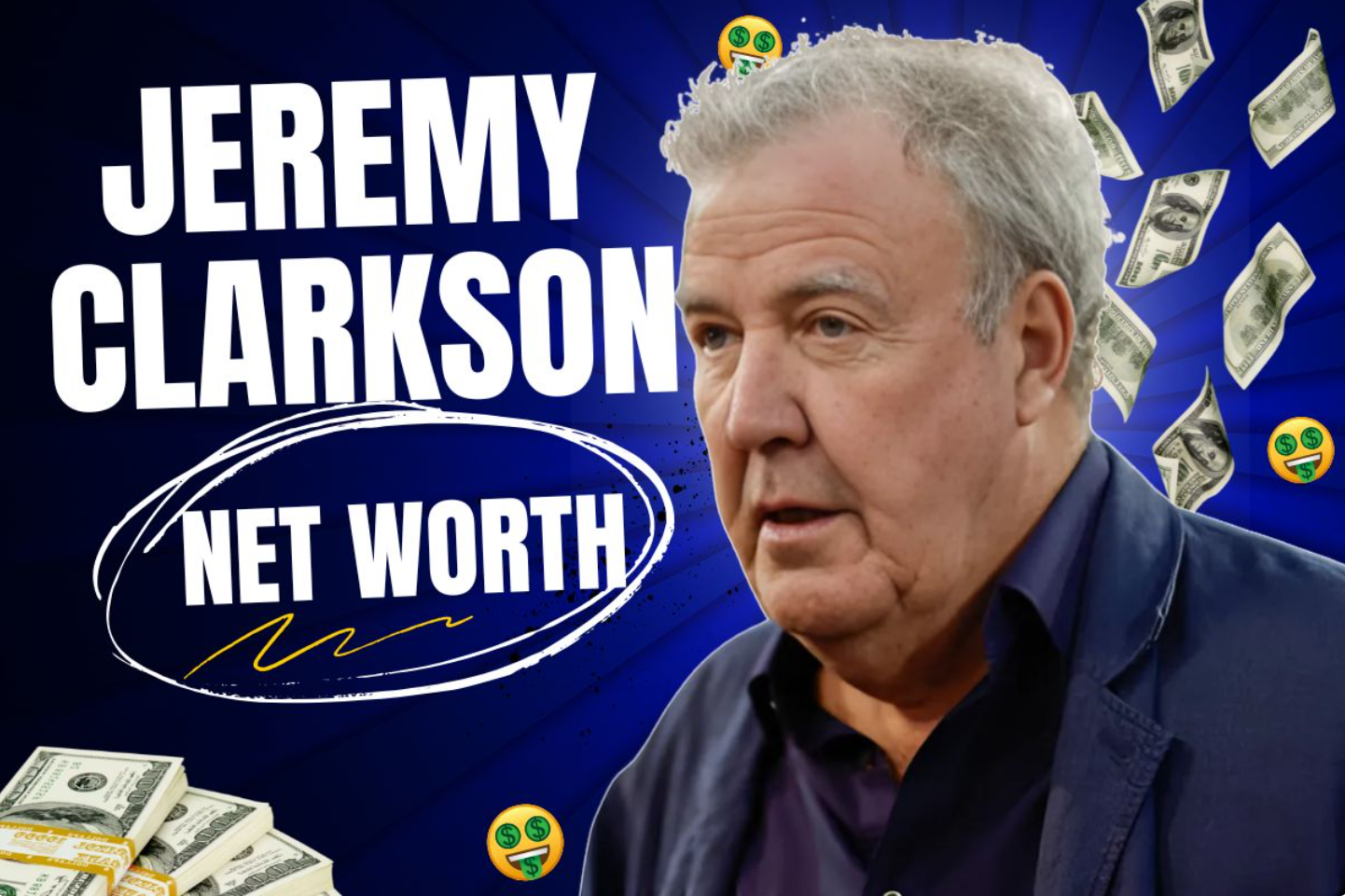
In the evolving world of Clarkson’s Farm, where humour meets the harsh realities of modern agriculture, one topic continues to spark curiosity among viewers: Jeremy Clarkson’s personal wealth. Recent estimates suggest that Clarkson’s net worth in 2026 has climbed into the tens of millions of dollars, raising an important question for fans and analysts alike—how does this financial position shape the future of Diddly Squat Farm and the direction of the series itself?
From a television perspective, Clarkson’s wealth has always been part of the narrative, but never the full story. What makes Clarkson’s Farm compelling is not the size of Clarkson’s bank account, but how quickly farming challenges can erode even significant financial resources. In earlier seasons, viewers saw how unpredictable weather, fluctuating crop prices, and regulatory hurdles created constant pressure on the farm’s finances. Despite Clarkson’s substantial income from television and business ventures, the farm itself often operated on tight margins.
Now, with his reported wealth reaching new heights in 2026, Clarkson enters a different phase—one where financial flexibility may allow him to take bigger risks, invest in new ventures, and expand the scope of his agricultural operations. However, from an analytical standpoint, this also introduces a new layer of complexity to the show’s narrative.
Wealth vs Reality: A Central Tension in Clarkson’s Farm
One of the defining strengths of Clarkson’s Farm has been its ability to highlight the gap between perception and reality. Clarkson, a well-known television personality with significant wealth, stepped into farming expecting it to be manageable. Instead, he encountered a system where profit is uncertain and heavily dependent on factors outside any individual’s control.
With his net worth now reportedly in the tens of millions, Clarkson is in a position to absorb losses that would be devastating for a typical farmer. This raises an important question for future seasons: will the show continue to reflect the genuine struggles of farming, or will Clarkson’s financial cushion reduce the sense of urgency that has driven much of the series’ tension?
From a production standpoint, maintaining authenticity will be critical. The audience connects with moments where Clarkson faces real constraints—whether that’s dealing with failed crops, navigating local council restrictions, or attempting to turn a profit from small-scale ventures like the farm shop or The Farmer’s Dog pub. If his wealth begins to overshadow those challenges, the show risks losing part of its core appeal.
Strategic Expansion: Where Clarkson Might Invest Next
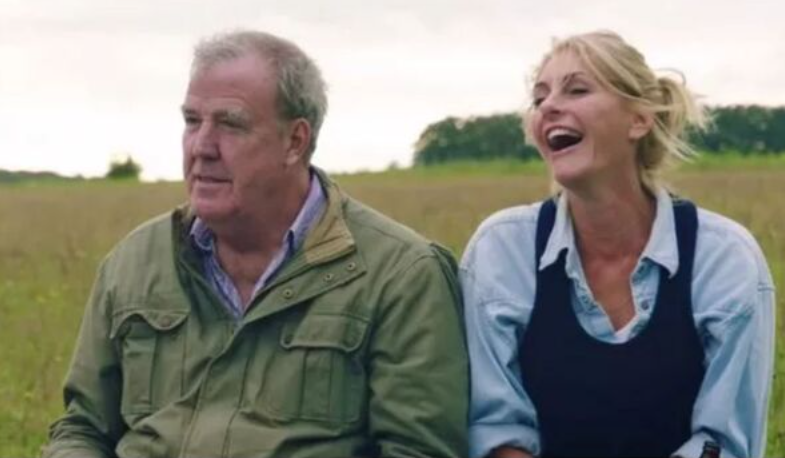
Looking ahead, Clarkson’s increased financial capacity opens the door to several possible developments at Diddly Squat Farm. One likely direction is further diversification. In previous seasons, Clarkson experimented with crops, livestock, and retail. With more capital available, he could expand into higher-value agricultural products, invest in advanced farming technology, or even explore renewable energy solutions such as solar or biofuel systems.
Another potential area of growth lies in the hospitality side of the business. The success of The Farmer’s Dog pub has already demonstrated Clarkson’s ability to turn agricultural branding into a broader commercial venture. With additional investment, this could evolve into a larger rural enterprise, combining food production, tourism, and retail into a more integrated business model.
However, expansion comes with its own risks. Larger operations require more coordination, higher overhead costs, and increased exposure to market volatility. From an analytical perspective, Clarkson may find himself facing a familiar challenge—balancing ambition with sustainability.
The Role of the Team: Kaleb, Lisa, and Charlie
Clarkson’s financial growth also has implications for the people around him. Figures like Kaleb Cooper, Lisa Hogan, and Charlie Ireland have become essential to the show’s dynamic, each representing different aspects of the farming ecosystem.
Kaleb, in particular, embodies practical farming knowledge and cost awareness. As Clarkson potentially expands his operations, Kaleb’s role may become even more important in ensuring that decisions remain grounded in agricultural reality. His perspective often acts as a counterbalance to Clarkson’s more ambitious ideas.
Lisa Hogan, meanwhile, has played a key role in developing the farm’s commercial side, from the shop to product branding. With more resources available, her influence could grow further, particularly if the farm continues to diversify into consumer-facing ventures.
Charlie Ireland, as the land agent, represents the regulatory and financial framework within which the farm operates. No matter how wealthy Clarkson becomes, he will still need to navigate planning laws, environmental regulations, and tax considerations. Charlie’s role in managing these constraints will remain crucial.
Audience Expectations and Narrative Direction
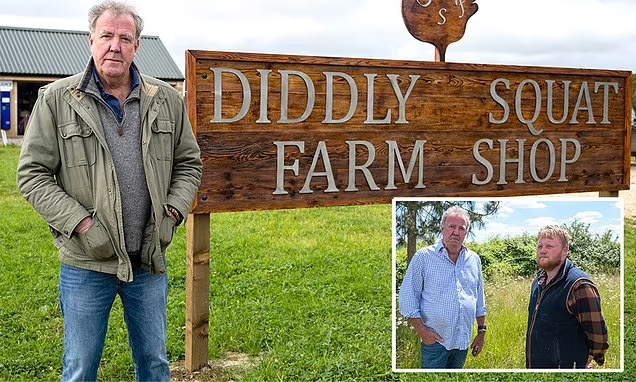
From a media analysis standpoint, Clarkson’s wealth in 2026 presents both an opportunity and a challenge for the series. On one hand, it allows for bigger projects, more ambitious storytelling, and a broader exploration of rural business models. On the other hand, it risks shifting the narrative away from the relatable struggles that have defined the show.
The key will be balance. Viewers are not tuning in simply to watch a successful businessman expand his portfolio. They are watching to see how someone with limited farming experience navigates a complex and often unforgiving industry.
If future seasons can continue to highlight the unpredictability of farming—regardless of Clarkson’s personal wealth—the show will retain its authenticity. If not, it may need to find new ways to engage its audience.
Conclusion: Wealth as a Tool, Not a Solution
Jeremy Clarkson’s reported net worth in 2026, reaching into the tens of millions, undoubtedly places him in a strong financial position. But as Clarkson’s Farm has consistently shown, money alone does not guarantee success in agriculture.
The coming seasons will likely explore how Clarkson uses that wealth—whether as a safety net, a tool for innovation, or a means of expanding his rural enterprise. For viewers, the most compelling question is not how much Clarkson is worth, but how he chooses to navigate the challenges that farming continues to present.
Because at Diddly Squat Farm, even with millions in the bank, the real test remains the same: turning effort, land, and uncertainty into something that works.