Is Dominion Creek a Gold Mine or a Money Pit? Parker Faces His Toughest Season Yet
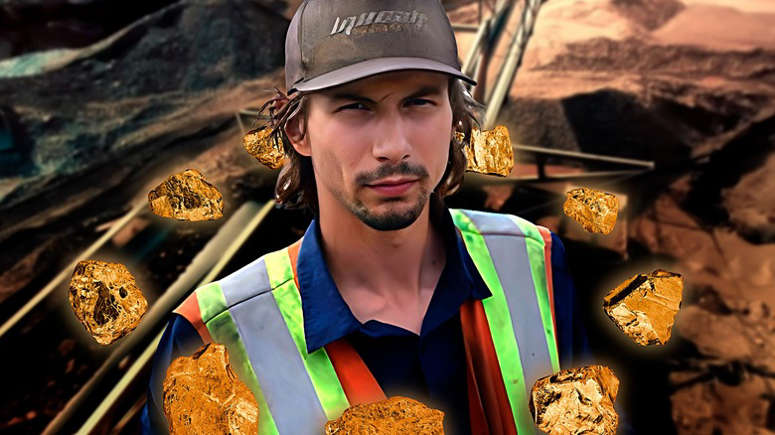
The episode begins with Parker Schnabel under immense pressure at Dominion Creek, one of the most ambitious and expensive mining projects he has ever undertaken. His investment of $15 million into the claim sets a high bar for success: to justify the enormous cost, he must produce 10,000 ounces of gold every season for six seasons. Failure would not only jeopardize his financial stability but could also cast doubt on his leadership and operational strategies.
Dominion Creek has proven extremely difficult from the start. Parker acknowledges that the ground conditions are far more complex than expected. The site is heavily layered with permafrost, a frozen, rock-hard material that severely slows excavation. Permafrost requires intense fuel consumption, aggressive digging, and constant use of heavy-duty equipment. Parker describes it as “a nightmare,” and one that threatens to derail the mining schedule.
The geological reports worsen his concerns. The drill crew produces results showing fine, powder-like gold, which causes Parker to fear that the pay dirt may not offer the rich, concentrated deposits he needs. Rather than larger, more profitable nuggets, the gold appears in microscopic specks, implying potential inefficiencies in recovery and lower total yield. The report lacks clarity on water conditions, prompting Parker to demand deeper testing. Reliable water supply is critical for wash plant operations, and without clear geological data, every decision becomes a risk.
To combat bottlenecks, Parker makes a major financial move: he purchases two $270,000 industrial water pumps, totaling $540,000. Each one produces 76 gallons of water per minute, and though the cost is enormous, Parker argues these pumps are essential. Water is the lifeblood of wash plant efficiency. Without it, the entire operation slows to a crawl. His team expresses concern about the expense, but Parker insists the equipment is necessary to keep production moving.
Behind the scenes, Parker’s role has changed dramatically. Instead of working directly in the field, he finds himself increasingly tied to the office, managing logistics, budgets, and operations from a more administrative position. He admits feeling suffocated by paperwork and phone calls but understands it is part of managing a multi-million-dollar business. This shift in responsibility reflects his evolution from a hands-on miner to a mine owner and decision-maker.
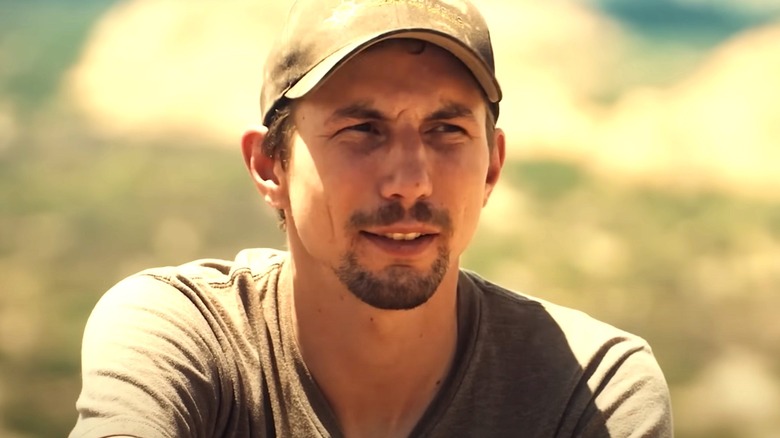
Meanwhile, Parker also explores expansion opportunities. He moves beyond Dominion Creek, scouting new territories for untapped gold. The episode highlights his ambition to secure additional claims that might carry richer deposits. This exploration underscores the competitive nature of Yukon mining—those who fail to expand risk falling behind. For Parker, diversification is both a strategy and a necessity.
One subplot of the episode involves his growing interest in gold jewelry production. Parker entrusts his jeweler with 500 ounces of gold—worth around $1 million—even though he only needed 50 ounces processed. This shows his desire to branch out and experiment with new business models, potentially increasing brand reach and revenue.
Despite these visions for growth, the reality at Dominion Creek remains grim. Mechanical problems hit constantly. One excavator experiences major damage, causing expensive downtime. Equipment failures force Parker to pause operations and reassess. After only four weeks, the crew recovers 135 ounces of gold, far below the needed target. This meager yield amplifies pressure on the crew and heightens tension among leadership.
Adding to the stress, the team struggles to access the richest pay layer. Layers of frozen mud and unpredictable water flow slow excavation. Crews must work longer hours, burning through fuel and manpower at alarming rates. Machine wear increases dramatically. At one point, Parker admits that they may be “burying themselves in problems” instead of climbing out of them.
To find solutions, Parker introduces advanced technology: a sonic drill, designed to penetrate frozen ground more effectively and provide precise geological readings. The sonic drill offers hope of identifying richer veins of gold and determining exactly how deep the pay layer sits. This machine could refine strategy and reduce wasted digging. However, its use comes with additional costs and time delays. Still, Parker remains determined to gather better data before committing the entire operation to a flawed plan.
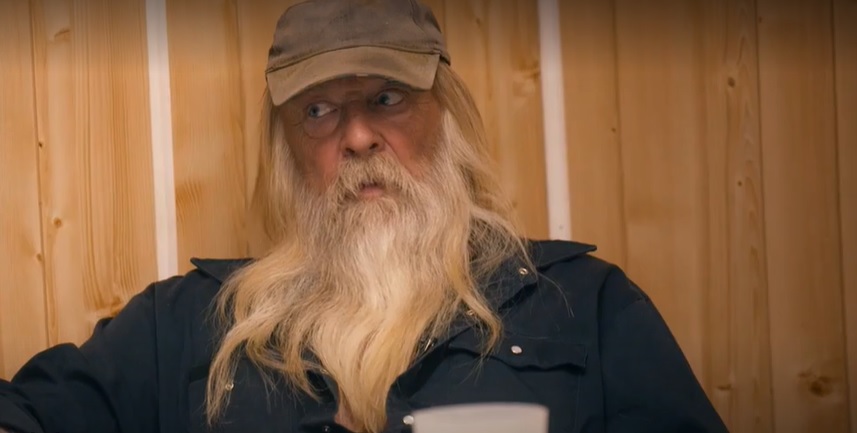
The episode further highlights Parker’s struggle to maintain morale. His crew senses the pressure as costs rise and results fall short. The weight of leadership lands heavily on Parker’s shoulders. He must motivate his team, manage expectations, and maintain confidence in the face of adversity.
As the episode unfolds, Parker recognizes that Dominion Creek is testing his limits in a way no previous claim has. The combination of extreme environmental conditions, complex geology, mechanical breakdowns, and intense financial obligations creates a volatile situation. Yet Parker refuses to give up. His decisions—expanding territory, investing heavily in equipment, improving water flow, and adopting new drilling methods—demonstrate his commitment to long-term success.
By the end of the episode, the atmosphere remains uncertain, but Parker stands firm. Although the early gold recovery is disappointing, he believes there is still potential buried beneath the permafrost. His next steps will determine whether Dominion Creek becomes a success story or one of the biggest financial risks of his career.