Kevin Beets’ Risky Move Unlocks a $170M Underground Treasure!
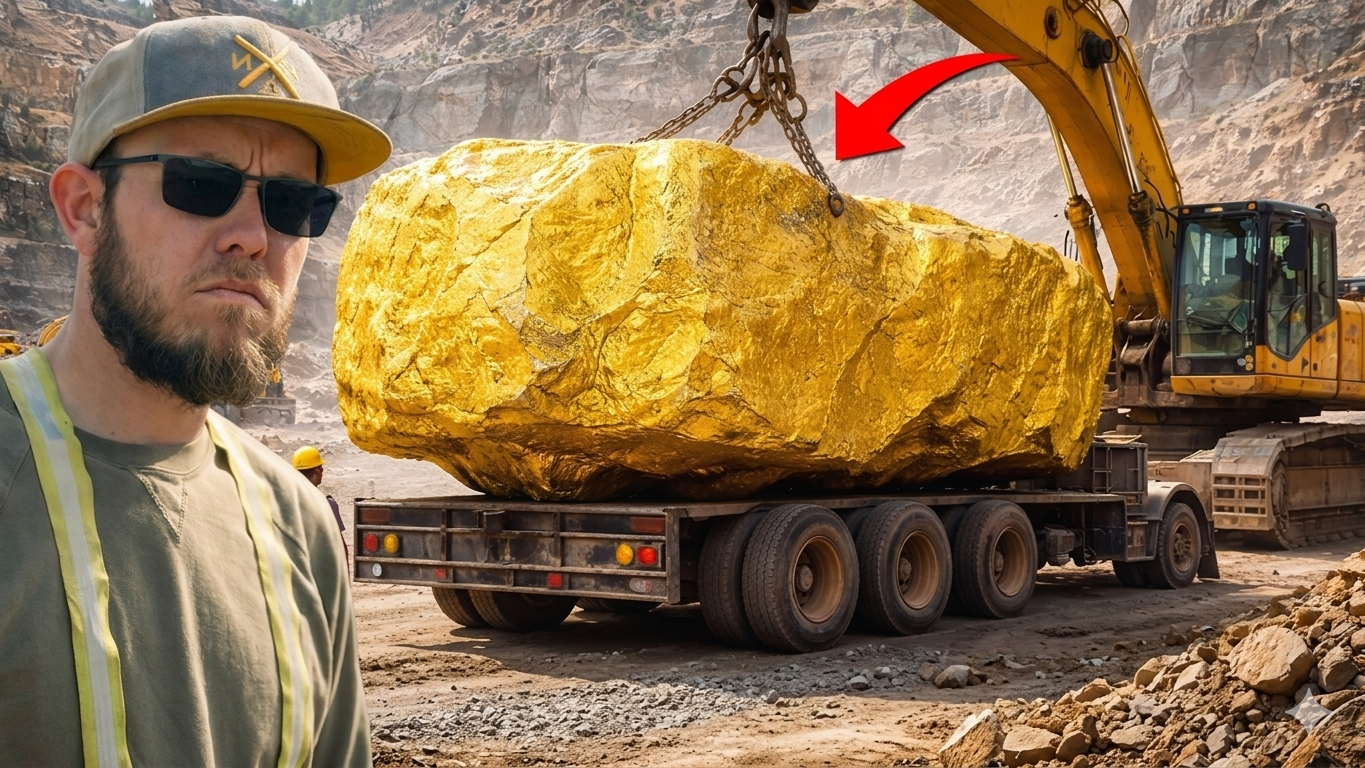
In the rugged terrain of the Klondike, where every decision can mean the difference between prosperity and failure, Kevin Beets is taking a calculated gamble that could pay off big. The Tamarack operation, once on the brink of collapse, is now facing a crucial turning point, all thanks to a risky move by Kevin. This season, as the team wrestles with equipment malfunctions, rising operational costs, and poor gold recovery rates, a breakthrough discovery could change everything.
The discovery comes from an old cut in the Indian River site, previously thought to be low-value ground. However, Kevin’s team unearthed something unexpected—a spike in the gold concentration at a depth of about 92 feet. This discovery immediately caught Kevin’s attention, as core samples revealed densities of 3.4 ounces per cubic yard, nearly four to five times higher than normal placer ground. With such high readings, Kevin made the bold decision to dig deeper, even though doing so came with significant risks.
A Calculated Risk
Mining in the Klondike is never straightforward, and every cut and decision comes with a hefty price tag. Kevin’s gamble required him to push forward with a plan to dig into potentially unstable ground. The top layers were filled with loose silt and waterlogged clay, while beneath them lay sticky blue clay, and further down, high-pressure groundwater. Engineers warned of a potential collapse risk of up to 35%, a substantial danger that could set the operation back by weeks, or worse, bring it to a halt altogether.
But Kevin was resolute. Despite the risks, he chose to proceed with a controlled excavation. His team used steel supports, continuous water drainage, and massive pumps to keep the ground stable. With operating costs skyrocketing to nearly $48,000 per day and fuel consumption climbing to 2,800 liters daily, the financial strain was immense. However, if the gamble paid off, the potential reward could be enormous.
The move was met with mixed reactions from the crew. Some were excited at the possibility of hitting a high-grade gold zone, while others were cautious, understanding the stakes involved. The situation was tense—one misstep could result in the collapse of the operation, costing the team millions of dollars.

Unexpected Rewards
After days of intense digging, the results started to come in. The first signs of gold came in the form of a wash plant run, yielding 178 ounces from just 210 cubic yards of material, three times the site’s average recovery rate. The excitement within the crew was palpable, but it wasn’t until the second cleanup that the real breakthrough occurred. A bulk test yielded 612 ounces of gold from 600 cubic yards, a density of approximately 1 ounce per cubic yard—significantly higher than the typical yield from the region.
The team had already started to feel the excitement building, but the real question was whether the gold concentration would hold. Would this be the start of a larger, richer gold zone, or was it simply a temporary pocket that would soon run dry? With the numbers in hand, it was clear that if the gold zone continued at the same rate, the total recovery could amount to 85,000 to 95,000 ounces—an estimated value of $60 million to $70 million at current prices.
Kevin and his team realized that they were at a critical crossroads. The gold was there, but so were the risks. The situation was far from stable, and every decision had the potential to either bring them closer to immense wealth or lead to disaster. The deeper the excavation went, the greater the risk of the slope collapsing or the water pressure overwhelming their systems. If the gold concentration held, it would be a game-changer for the entire season. But the risks were still significant, and the crew knew that the situation could turn at any moment.

A High-Risk Season with $170 Million on the Line
As the days went on, the team’s focus shifted to the next big question: was the gold zone going to continue? If the high-grade gold persisted, they could be looking at an operation worth well over $170 million, but there was no guarantee. As the excavation deepened, engineers monitored the slope angles and water levels closely, aware that any change could trigger a collapse or flooding. The team was now facing a race against time, where every hour of operation carried a price tag of $9,000 in potential losses, and every day of digging cost $48,000.
The situation was a fine balance—between the excitement of a potential breakthrough and the looming danger of failure. Kevin’s gamble, despite its risks, had already paid off in terms of gold recovery, but the real question remained: would the gold continue to flow, or would the operation collapse under the weight of its own ambition?
As the Klondike season continued, the tension between risk and reward only intensified. For Kevin Beets, the future of the Tamarack operation—and possibly his entire mining career—hinged on whether this gamble would pay off or backfire. The stakes were high, and every decision carried immense weight. With a potential $170 million treasure on the line, Kevin and his team were betting everything on the outcome of this high-stakes venture, knowing that in the world of gold mining, success and failure are often separated by the narrowest of margins.