Tony Beets Rescues Flipped 20-Ton Side Dumper Truck As He Rebuilds Dike Road: A Critical Moment in Gold Rush Season 16
With just six weeks remaining in the Yukon mining season, Tony Beets finds himself battling a familiar but unforgiving opponent: time. Known to viewers of Gold Rush as the “King of the Klondike,” Beets entered the spring with momentum, running three wash plants and pushing hard toward an ambitious production target. That early advantage has since eroded, leaving his operation running at sharply reduced capacity.
By late season, Beets’ Indian River claims had already been stripped of all readily accessible pay dirt. What remains is frozen ground, locked tight until warmer temperatures arrive. With sluicing dependent on thawed material, production has slowed to a crawl. Despite the setbacks, Beets remains publicly confident that reaching 5,000 ounces is still achievable—though it will require patience and careful timing.
However, frozen ground was only the first obstacle. A more immediate threat emerged from the very systems designed to keep the operation compliant. At Paradise Hill, the heavy use of the trommel overwhelmed the site’s water management infrastructure. The interconnected settling ponds—critical for filtering silt before water is returned to nearby creeks—began to fail under the strain.
As silt accumulated, the culvert connecting the ponds clogged, preventing proper settling. The risk was clear: if muddy discharge entered the creek, environmental authorities would have little choice but to shut the operation down entirely. With no room for error, Beets made the call to halt sluicing.
Paradise Hill’s system relies on three linked ponds, where dirty water from the trommel slows, allowing silt to settle before clean water flows back into the creek. When the top pond filled beyond capacity, the entire process broke down. The solution was straightforward but time-consuming: rebuild the dyke roads, raise the culvert, and deepen the pond to restore proper filtration.
Leading the effort was Mike Beets, tasked with reinforcing the dykes using a specialised side-dump truck and a D11 dozer. It was a necessary pause, one Beets acknowledged was preferable to risking a long-term shutdown. “Better to lose two days now than the rest of the season,” became the guiding principle.

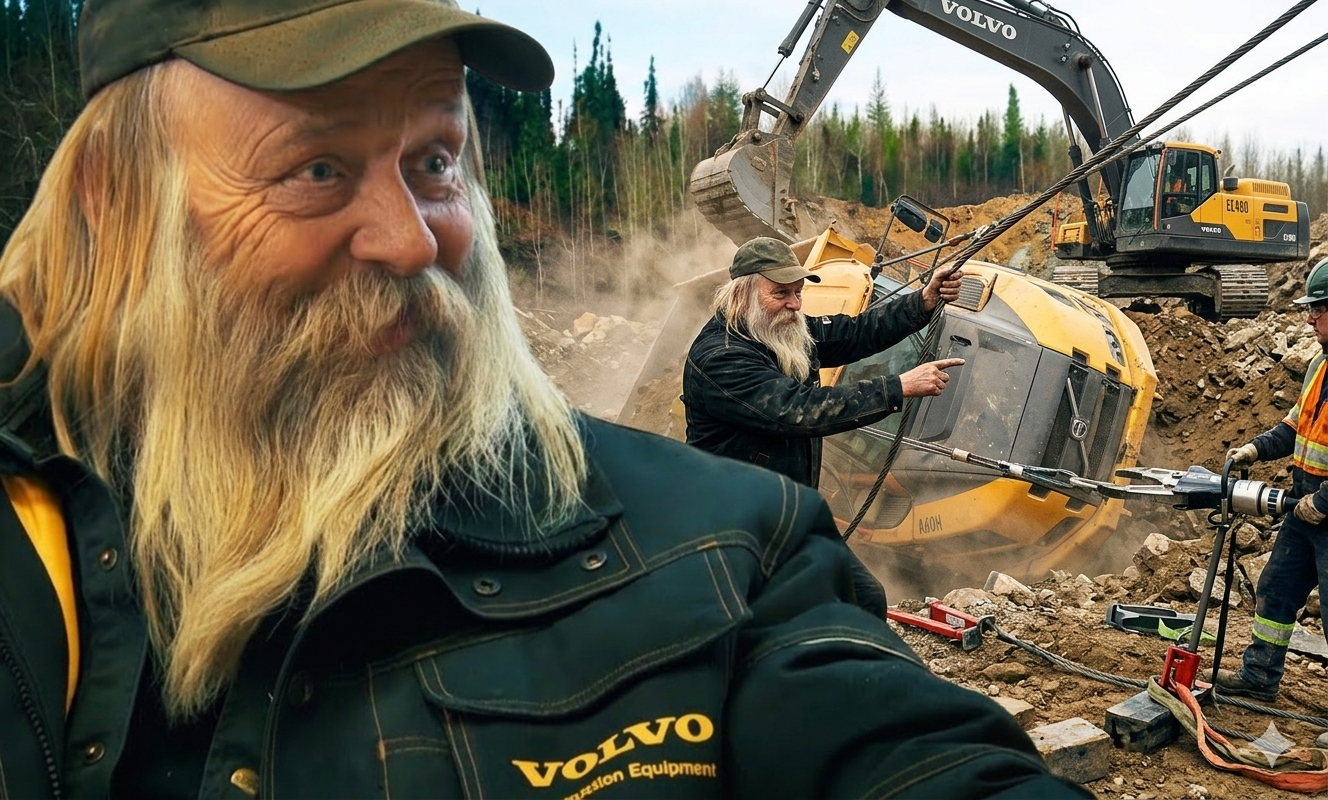
Yet even this corrective work took an unexpected turn. While dumping material along the dyke, the 10-ton side-dumper truck edged too close to the corner. With a full load on board, its rear tyre caught the soft edge of the dyke, and the truck began to tip. Within moments, it was hanging precariously over a 15-foot drop, bringing work to an immediate standstill.
The incident added further delay to an already halted operation. With the truck suspended and unsafe to move as a single unit, Beets stepped in to direct a recovery plan. The situation demanded precision. Pulling the truck and trailer together risked further damage—or injury. Instead, Beets ordered the two separated and recovered individually.
The recovery unfolded cautiously. Chains were secured, equipment repositioned, and clear instructions issued. First, the trailer was stabilised and moved. Then attention turned to the truck itself, weighing roughly 20 tons. As it was slowly pulled upright, there was a tense moment when it narrowly missed colliding with an excavator positioned nearby. The miss was close enough to draw sharp reactions from the crew, but the truck ultimately landed upright without major additional damage.
After nearly two days of delays, the side-dumper was finally back on its wheels. The dyke repair resumed, allowing the settling pond to be rebuilt to the required depth. Only then could sluicing restart, ending a stretch of more than 24 hours without a single ounce of gold recovered.
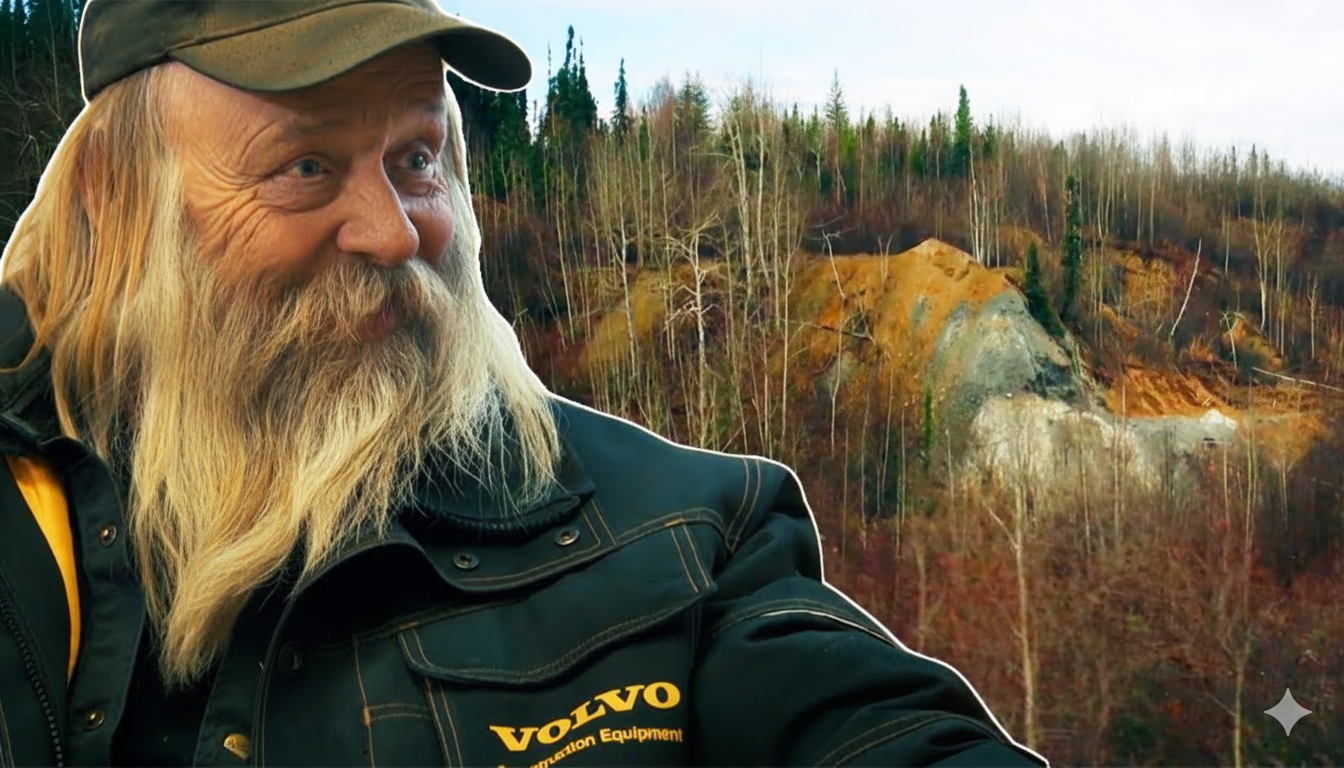
For Beets, the episode underscored the precarious balance of late-season mining. With only one wash plant operating, every interruption carries amplified consequences. Environmental compliance is non-negotiable, frozen ground limits options, and even routine maintenance tasks can escalate into major setbacks.
Despite the frustrations, Beets’ approach remains pragmatic. The priority is not speed, but survival—keeping the operation legal, functional, and ready to resume full production as soon as conditions allow. The incident also highlights a recurring theme of the season: experience does not eliminate risk. Even well-practised crews face unpredictable challenges when working against nature, machinery, and regulatory constraints.
As the clock continues to tick down on the season, Tony Beets’ margin for recovery grows narrower. Whether warmer weather arrives in time to unlock frozen pay dirt—and whether further delays can be avoided—will determine if his confidence in reaching 5,000 ounces is rewarded. For now, the focus is simple: keep the water clean, the trucks upright, and the operation running, one hard-earned day at a time.