Rick Ness’s gold mining business faced a major turning point after striking a gold mine worth $670,000.
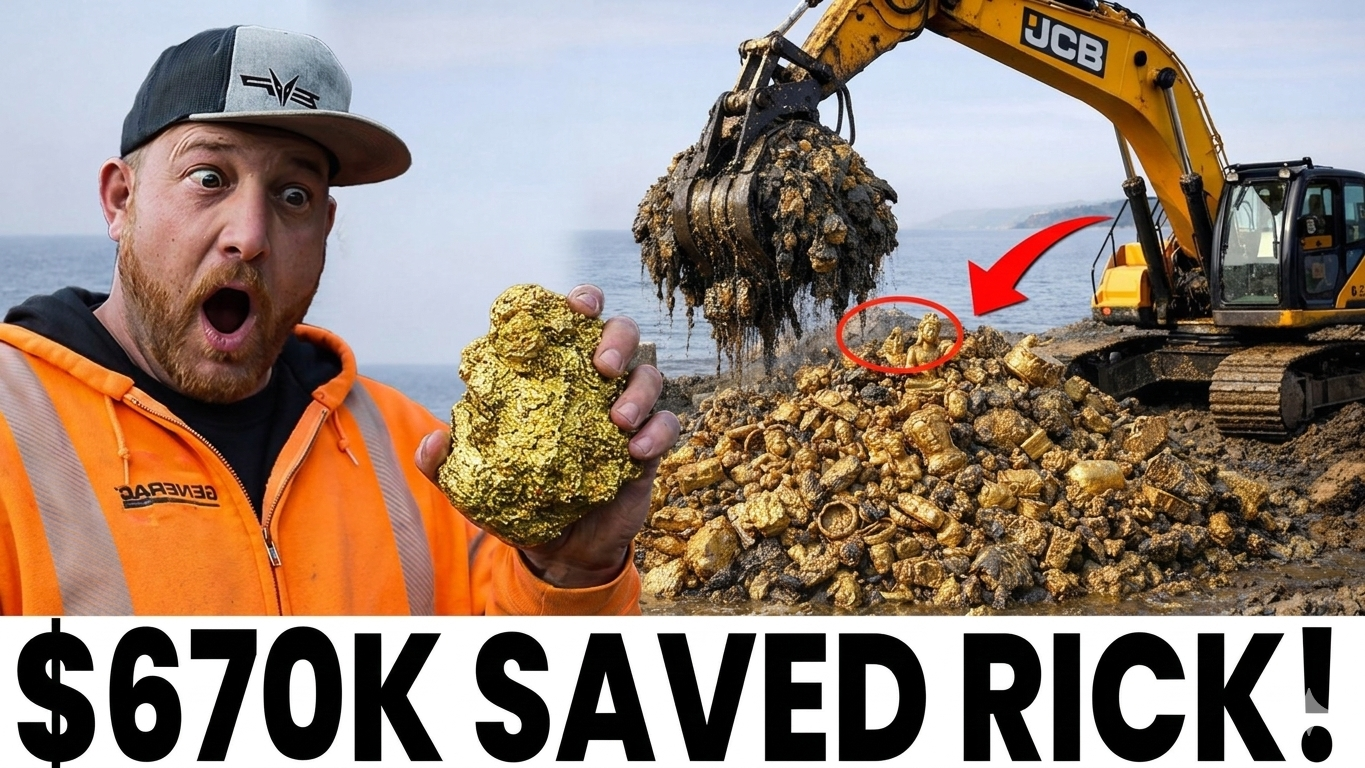
The stakes couldn’t be higher for Rick Ness and his crew as the pressure of the mining season mounts in the Klondike. Season 16 of Gold Rush has already seen its fair share of challenges, with production targets not being met, machinery failures, and the ever-present risk of a site shutdown. However, a recent breakthrough has brought a glimmer of hope to an operation on the brink of failure, with Rick’s crew achieving an unexpected gold recovery worth $670,000.
A Season of Struggles
The Klondike gold rush is a relentless environment, where every day is a race against time and natural conditions. For Rick Ness, this season started with high hopes but quickly faced the harsh realities of gold mining. Initially, the operation struggled to produce the expected amount of gold, and the crew’s morale was sinking as the numbers on the recovery table continued to fall short. The heavy costs of running the site—over $30,000 in diesel alone—were starting to mount, and the crew faced a constant battle to keep production up while working in a competitive and cutthroat environment. The question on everyone’s mind was whether this season would end in significant losses, forcing the crew to pack up and head home with nothing to show for all the effort.
A Surprising Discovery
Just when it seemed that the operation would have to shut down, a new decision was made—open a new cut and dig deeper. Despite the enormous financial strain, Rick had little choice but to take a calculated risk. A new cut was made, and the crew started working through the material, keeping their fingers crossed for a breakthrough. At first, the team wasn’t expecting anything different. The first few runs showed only minimal improvements, but something strange happened during one particular shift. As the material moved through the wash plant, the gold recovery showed a noticeable change: the quantity of fine gold collected was much higher than normal. While this might seem like a small thing, it was a clear signal that something was different in this new zone. For a moment, the crew thought it might just be a fluke. But as the runs continued, the data confirmed that something bigger was at play.
The recovery at this new cut resulted in a startling increase in the gold yield. In the first full shift, the team recovered nearly double the expected amount of gold, totaling around 370 to 400 ounces. At current gold prices, this amounted to $670,000—an impressive recovery for a mining operation that had previously struggled to keep up with expenses. This was a dramatic turning point for Rick Ness and his crew, as the figures on the recovery table began to show a marked improvement. For the first time in weeks, the operation was able to cover its daily expenses and show a profit.

A Critical Moment in the Season
The sudden surge in gold recovery brought a breath of fresh air to Rick’s team. With a recovery rate that nearly doubled expectations, it appeared that Rick had found a hidden vein of gold. The shift in fortunes was dramatic, as the crew saw their morale boost and their workload ease. However, as experienced miners, they knew better than to jump to conclusions too quickly. In mining, a single day’s success doesn’t guarantee consistent results, and the team knew they had to wait and see if the trend continued over the next few shifts. While the results from the first full recovery were promising, it was the consistency of future runs that would determine whether this was a permanent breakthrough or just an isolated spike.
The crew’s cautious optimism was well-placed. As the subsequent runs continued, the recovery rate remained stable at around 2.0 to 2.4 ounces per 100 cubic yards, nearly double the previous low-grade zone. This consistency in recovery rates suggested that Rick’s crew might have uncovered a larger, more stable deposit of gold beneath the surface. As data began to pile up, the team started considering the possibility that they were sitting on a significant, high-grade zone that could dramatically impact the operation’s future. If this zone continued to produce stable results, Rick’s team could potentially see significant returns, turning what was once a financially struggling operation into one of the most profitable in the Klondike.
Looking Ahead: The Future of the Operation
While the $670,000 recovery has been a welcome relief, it’s not the end of the story. The real challenge for Rick and his crew now lies in the coming weeks. Can they sustain this newfound success? Can they continue to recover high-grade gold from this new zone, or will it return to the same low-grade levels they encountered earlier in the season? For now, the team remains cautiously optimistic, aware that they’ve still got a long way to go before they can say for certain that this breakthrough will turn the tide for their entire operation.
For Rick, the financial pressure of the operation remains, but the recent success has given him hope. With a recovery rate that now seems consistent, Rick’s team is back on track, and their goal of reaching 2,000 ounces for the season is still within reach. But the question remains: will this surge in production continue, or will they face another setback? Only time will tell, but for now, Rick and his team have weathered the storm and emerged with a newfound sense of hope, proving that in gold mining, persistence and patience often lead to the greatest rewards.