Unlocking the Mysteries of the World’s First Temples: Josh Gates Investigates Southeastern Turkey
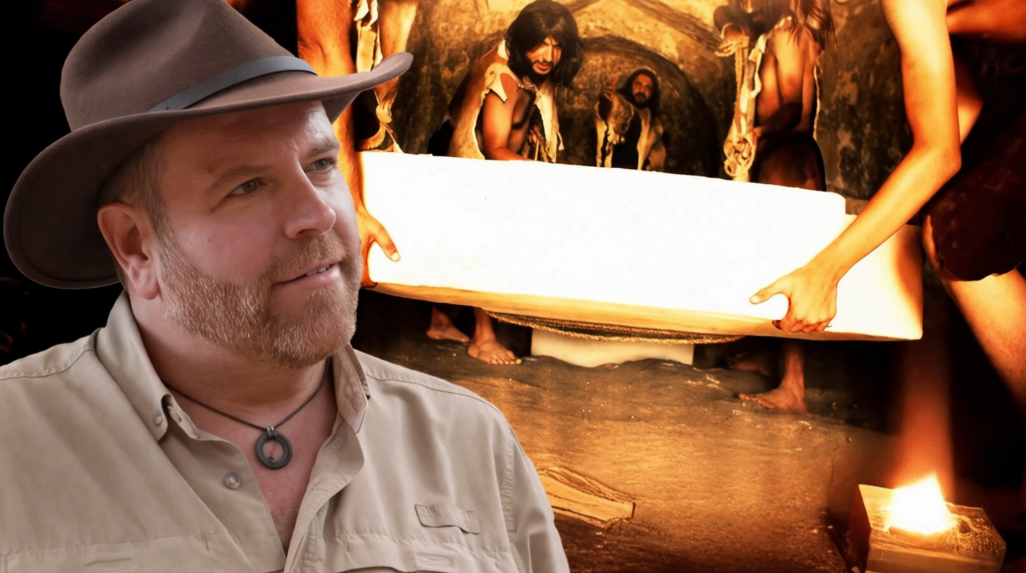
In the rugged landscapes of southeastern Turkey, a revolution in our understanding of human history is unfolding. Josh Gates, the intrepid host of Expedition Unknown, recently journeyed to the heart of Mesopotamia to investigate a series of archaeological sites that are rewriting the story of civilization. At the center of this mystery are Göbekli Tepe and its sister site, Karahan Tepe—monumental structures built by hunter-gatherers long before the invention of agriculture or writing.
A Paradigm Shift in History
For decades, the standard historical narrative suggested that humans first settled in permanent villages, discovered farming, and only then developed the social complexity required to build massive religious monuments. However, the discovery of Göbekli Tepe (meaning “Potbelly Hill”) turned this timeline upside down. Dating back over 11,000 years, this site features massive T-shaped limestone pillars, some weighing over 10 tons, intricately carved with images of vultures, scorpions, and lions.
As Gates explores the site, he highlights the shocking reality: these temples were built by people who had no metal tools, no pottery, and no domesticated crops. The sheer scale of the engineering suggests that religion and the need for communal worship may have been the primary driver for human settlement, rather than the byproduct of farming.
Into the New Frontier: Karahan Tepe
While Göbekli Tepe is now world-famous, Gates takes viewers further into the “Taş Tepeler” (Stone Hills) region to visit Karahan Tepe, a site that is currently yielding even more startling discoveries. Excavations here have revealed a complex of pillars and chambers carved directly into the bedrock.
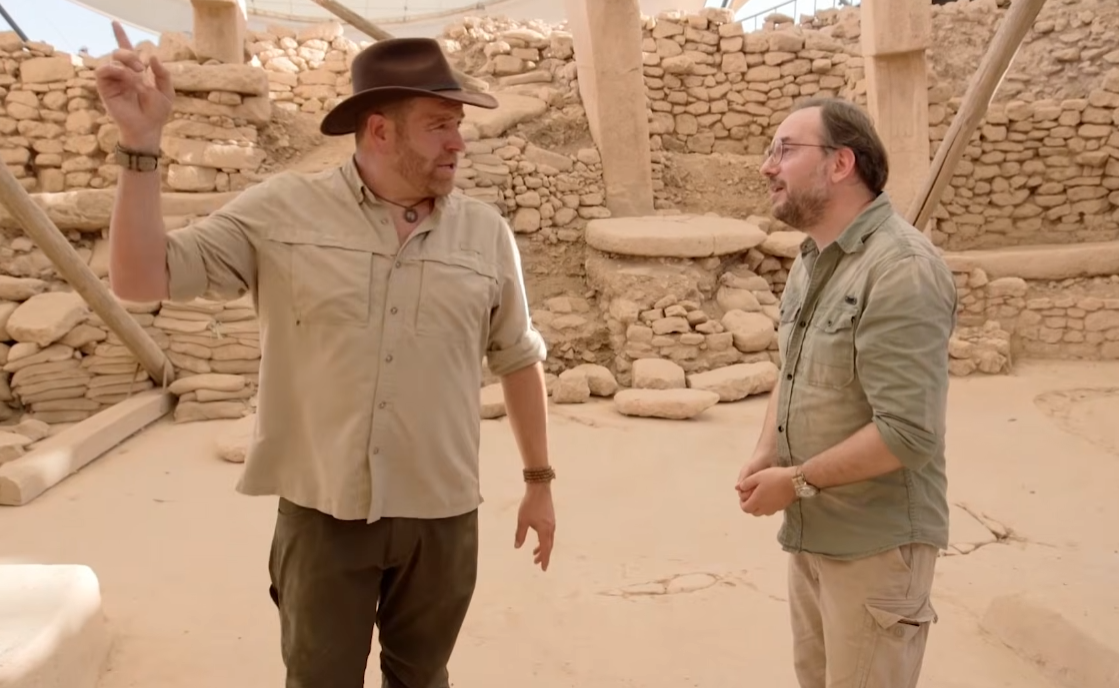
One of the most haunting discoveries Gates investigates is a chamber featuring a series of phallic-shaped pillars and a large, human-like head carved into the wall. Archaeologists suggest this space may have been used for ritualistic purposes, possibly initiation ceremonies. The presence of human imagery at Karahan Tepe marks a significant shift from the animal-centric carvings at Göbekli Tepe, hinting at a developing focus on the human form and ancestor worship.
The Hunter-Gatherer Ingenuity
Throughout the investigation, Gates emphasizes the incredible sophistication of these ancient builders. Moving and carving these massive stones required an organized workforce and a shared vision. “These weren’t just primitive wanderers,” Gates notes during his exploration. “They were master architects and artists.”
The video showcases the painstaking work of archaeologists who are uncovering these sites. They explain that these structures were not just built and used; they were often intentionally buried. This practice has preserved the carvings in stunning detail, but it leaves behind a massive puzzle: why would a society spend decades building a temple only to fill it with dirt and debris?
The Birth of Civilization
Josh Gates’ journey through these ancient sites serves as a reminder of how much we still have to learn about our origins. The sites in southeastern Turkey suggest that the human spirit has been driven by a search for the sacred since the very beginning. The “Origins of Civilization” were not found in a wheat field, but in the shadow of these towering stone pillars.
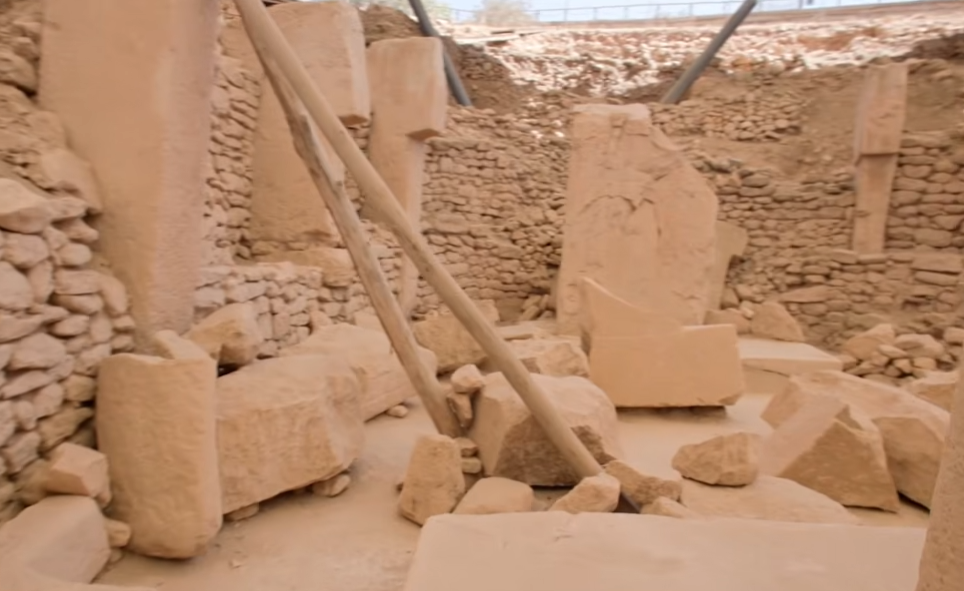
As excavations continue, the Stone Hills of Turkey promise to reveal more secrets about the transition from nomadic life to settled society. For Josh Gates and the viewers of Expedition Unknown, these ruins are not just piles of rock; they are the blueprints of the modern world, proving that even 12,000 years ago, humanity was reaching for the stars.