Echoes of the Deep: New Discoveries in the Hunt for the Lost 1715 Spanish Fleet
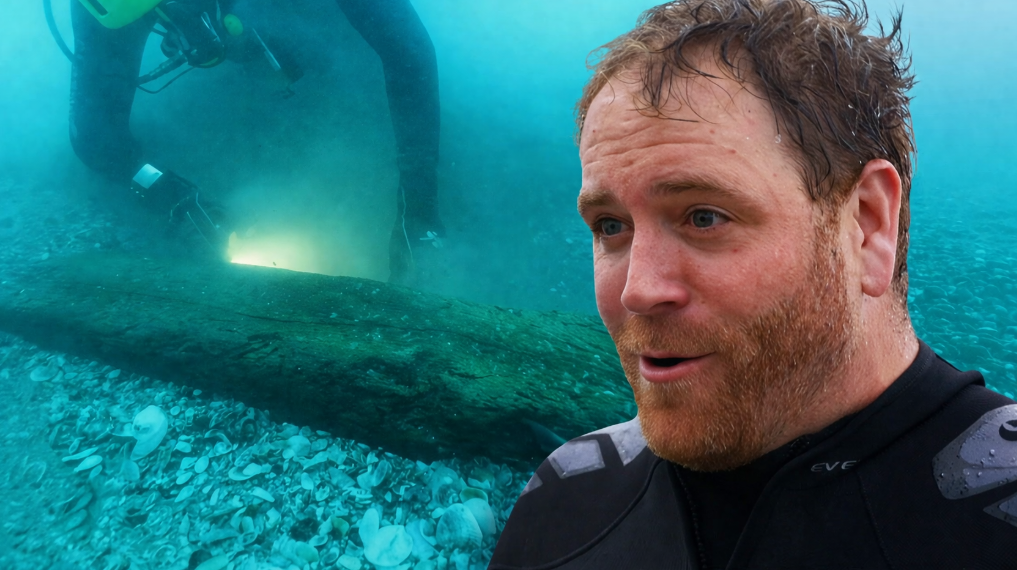
The turquoise waters off the coast of Florida, often referred to as the “Treasure Coast,” hold secrets of a century-old tragedy. In July 1715, a fleet of eleven Spanish galleons, laden with a king’s ransom in silver, gold, and jewels, was struck by a catastrophic hurricane. Within hours, the pride of the Spanish Empire was shattered against the reefs, claiming over a thousand lives and scattering unimaginable wealth across the ocean floor. Now, centuries later, Josh Gates and the team from Expedition Unknown have joined modern-day explorers to uncover what might be one of the most significant finds from this lost fleet.
A Legacy of Gold and Storms
The story of the 1715 Fleet is one of desperate timing. Spain, exhausted by the War of the Spanish Succession, was in dire need of funds. The fleet had been delayed for years, and when it finally set sail from Havana, it was carrying a massive accumulation of wealth intended for King Philip V. However, the decision to sail during hurricane season proved fatal.
For decades, salvage divers have pulled “pieces of eight” and gold escudos from these waters. Yet, despite the fame of the “1715 Treasure Coast,” much of the fleet remains unaccounted for, buried under layers of shifting sand and coral.
The Expedition: Merging History with Modern Tech
In the featured expedition, Josh Gates joins forces with seasoned treasure hunters using sophisticated sub-bottom profilers and side-scan sonar. The challenge of finding these ships lies not just in the depth of the water, but in the environment. The Atlantic’s “Treasure Coast” is notorious for low visibility and “surge,” where the ocean floor is constantly reshaped by currents.
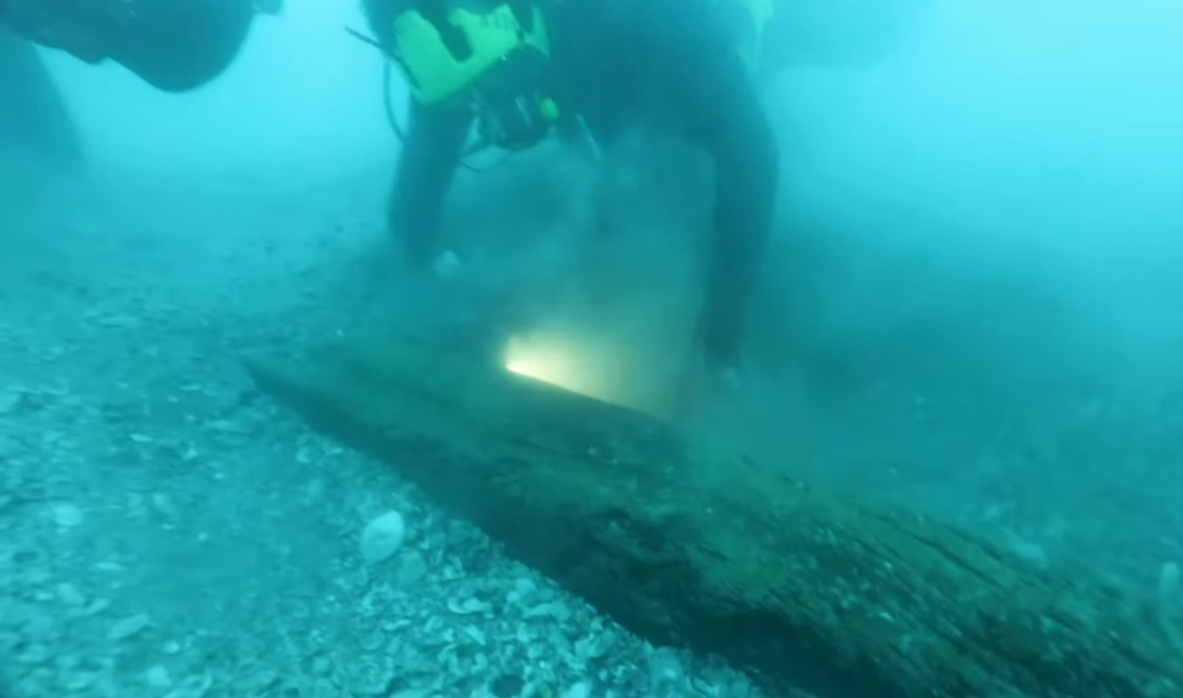
The team focused on a specific anomaly that suggested a large, man-made structure beneath the seabed. Unlike previous finds that consisted mainly of scattered coins, this site showed potential for structural remains—the “holy grail” for maritime archaeologists.
Breaking the Surface: The Findings
The dive was grueling. Using “blowers”—massive tubes that divert propeller wash to clear sand—the team excavated a target area several meters deep. As the sand cleared, the explorers discovered a series of significant artifacts that tell a vivid story of the 1715 disaster.
Among the finds were encrusted “clumps” of silver coins and pottery shards known as olive jars, which were used to transport oil and wine on long voyages. More importantly, the discovery of heavy lead sheathing and iron fasteners strongly indicated the presence of a ship’s hull. Finding the timber or the structural “bones” of a galleon is rare, as the warm, shallow waters usually accelerate decay.
The highlight of the expedition was the recovery of personal items that bridged the gap between history and the present. These artifacts suggest that the site might belong to the Santa Rita or another unidentified vessel of the fleet that had remained hidden for over 300 years.
The Significance of the Find
This expedition is about more than just gold; it is about historical preservation. Every coin and shard recovered provides data points that help historians map the final moments of the fleet. It allows experts to understand how the ships broke apart and how the survivors struggled to reach the shore.
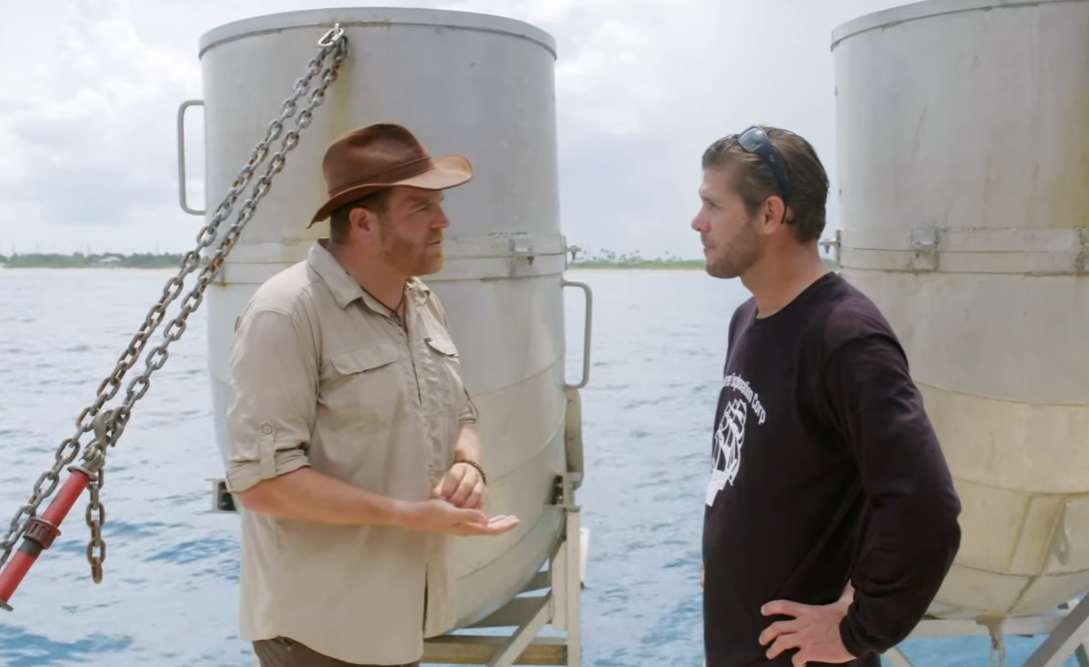
For Josh Gates and his crew, the discovery serves as a reminder that the ocean still guards its secrets closely. While millions of dollars in gold have been recovered over the years, the true value lies in the stories of the sailors and the global empire they served. As modern technology continues to improve, the “Lost Spanish Fleet of 1715” is slowly being brought back to light, one dive at a time. The hunt continues, driven by the enduring human spirit of exploration and the timeless allure of sunken gold.