A special addition in season 5: Jeremy Clarkson opens his own shop selling “non-organic” products from his Diddly Squat farm.

Season 5 of Clarkson’s Farm brings a fresh twist for fans and viewers, with Jeremy Clarkson introducing a new retail venture at his Diddly Squat Farm: a shop specializing in “non-organic” products. While the farm has long been celebrated for its rustic charm, practical humor, and engagement with local British agriculture, this latest addition represents a strategic expansion of Clarkson’s brand, blending commerce with entertainment while raising interesting questions about consumer trends and farm sustainability.
The new shop departs from the conventional organic model commonly associated with farm shops. Instead, Clarkson emphasizes practicality and accessibility, offering a range of products that may appeal to a broader audience. This approach aligns with his characteristic no-nonsense attitude, prioritizing functionality, affordability, and personal choice over marketing labels. By challenging the expectations of a typical farm shop, Clarkson is redefining the intersection of traditional farming and consumer behavior, making a statement about what modern farm retail can look like in the 21st century.
Analysts of the show note that this venture could significantly impact the narrative of season 5. With the shop serving as a central plot point, viewers can anticipate storylines that highlight the operational challenges of managing retail alongside farming. From sourcing products to managing inventory, pricing strategy, and engaging customers, Clarkson will have to balance the demands of day-to-day farm operations with the additional responsibilities of running a commercial outlet. This dual focus allows the series to explore both the humor and complexity inherent in rural entrepreneurship, providing new insights into the realities of farm management.
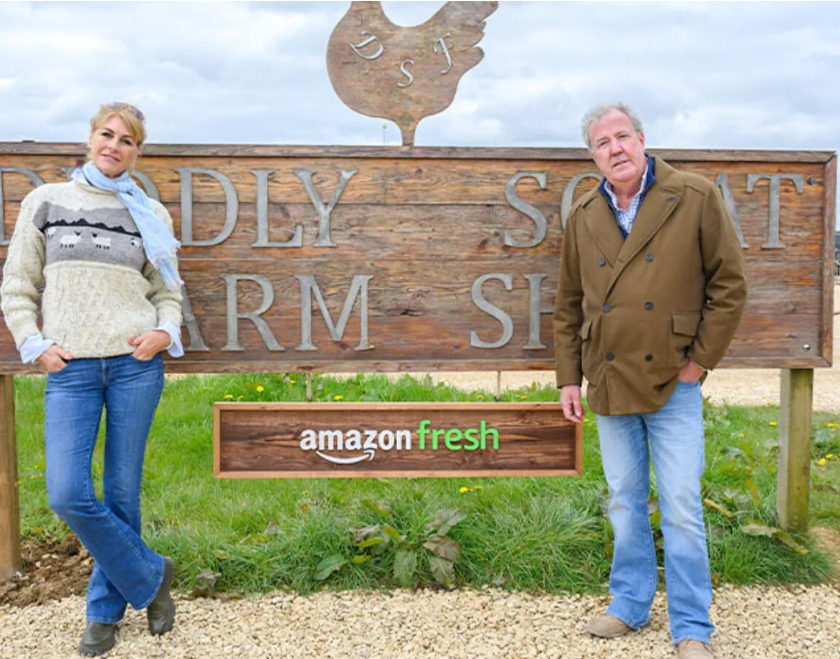
The strategic timing of the shop’s opening is particularly noteworthy. With fan interest peaking ahead of season 5, the addition of a shop provides both a tangible extension of the on-screen narrative and a real-world engagement point for audiences. Fans can purchase products featured on the show, reinforcing their connection to Clarkson’s Farm and expanding the series’ influence beyond television. This model mirrors trends in other reality-based farming and lifestyle programming, where branded merchandise and experiential engagement serve to deepen viewer investment while diversifying revenue streams.
The decision to focus on “non-organic” products also opens discussions about consumer perception and market strategy. In an era where organic products dominate media coverage and consumer attention, Clarkson’s shop challenges the conventional wisdom that organic is synonymous with quality or value. By offering practical, non-organic alternatives, he taps into a segment of consumers who prioritize cost, convenience, or traditional farming methods. Analysts suggest that this could attract a demographic that might otherwise feel alienated by premium organic labeling, while still maintaining the authenticity and humor that define the Clarkson’s Farm brand.
Operationally, the shop will likely introduce both opportunities and challenges for the farm team. Managing a retail space requires coordination, staffing, and consistent quality control, all of which may stretch the existing team’s resources. Viewers can expect to see recurring storylines around staffing challenges, customer service mishaps, and the learning curve associated with integrating retail management into a farming schedule. These scenarios have long been a staple of the series, providing both comedic moments and practical insight into the multifaceted nature of farm operations.
The shop’s opening could also influence Clarkson’s wider branding strategy. Beyond season 5, this initiative may serve as a testing ground for further commercial ventures, including regional distribution of products, online sales, or seasonal specialty items. By aligning product offerings with the humor, authenticity, and quirky ethos of the show, Clarkson creates a cohesive brand identity that bridges the gap between television entertainment and real-world commerce. Analysts predict that successful implementation could pave the way for additional revenue streams while reinforcing the series’ cultural relevance.
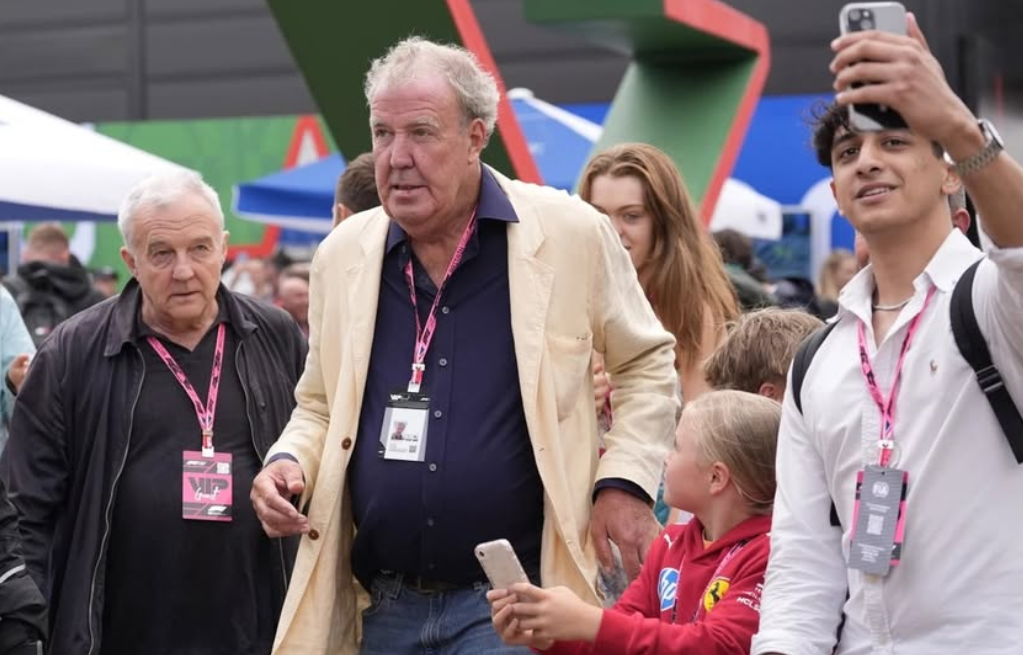
From a viewer engagement perspective, the shop adds layers of interactivity that go beyond passive watching. Fans can participate in the farm’s economy by purchasing items, which enhances immersion and emotional connection. It also provides a platform for Clarkson to highlight agricultural education in a subtle way, demonstrating the processes behind both conventional and non-organic farming methods. This balance of entertainment, education, and commerce aligns with the evolving trends in lifestyle television, where viewer experience is increasingly multidimensional.
Looking ahead, season 5 may also explore how the new shop interacts with other farm activities, from crop production and livestock management to local events and seasonal challenges. Storylines may include product development, logistics, and even friendly disputes over pricing or customer preferences. These elements add depth to the show while maintaining the humor and unpredictability fans expect. Analysts note that Clarkson’s willingness to experiment with new business ideas reflects both his entrepreneurial mindset and the creative flexibility of the series, suggesting that future seasons may continue to innovate in unexpected ways.
In conclusion, the addition of a non-organic product shop at Diddly Squat Farm represents a significant evolution in the Clarkson’s Farm narrative. From an analytical perspective, it highlights the complexities of modern farming, consumer behavior, and brand development, while providing opportunities for both entertainment and engagement. Season 5 promises to offer audiences an inside look at how Clarkson balances traditional farming, retail management, and his signature humor, ensuring that the series remains both relevant and compelling. As fans tune in, the shop will likely become a focal point for both storylines and real-world interaction, showcasing how a farm can thrive as a business, a television spectacle, and a cultural touchstone all at once.