Clarkson’s Farm Season 5: The Realities Behind the Headlines and the Future of British Agriculture
Season 5 of Clarkson’s Farm arrived on Amazon Prime this month, dropping four episodes simultaneously and drawing millions of viewers worldwide. While audiences have long enjoyed Jeremy Clarkson’s humor and eccentricities on the farm, this season dives deeper, exposing the harsh realities of modern British agriculture and the extraordinary pressures faced by farmers today. Beyond entertainment, the series offers a rare window into the economics, technology, and human resilience that define contemporary farming.
The season opens with a startling personal revelation: Clarkson shares that he was days away from a heart attack due to blocked arteries. This disclosure sets the tone for a season defined not just by agricultural challenges, but by human endurance and decision-making under immense pressure. Clarkson’s willingness to speak publicly about his health while advocating for British farming at a protest in London demonstrates a remarkable commitment to the industry and its visibility.
Financial vulnerability is a central theme this season. Clarkson candidly admits that without television revenue, Diddly Squat Farm would struggle to remain viable. Even with his advantages—a famous name, a national platform, and supporting businesses like Hawkstone Brewery and The Farmers Dog pub—the farm itself operates at a loss. This admission underscores a broader truth: the economics of British agriculture are such that many farms cannot survive on crop sales alone. Rising input costs, volatile weather patterns, and restrictive government regulations continue to challenge farmers across the country.
The season highlights real-world crises faced by the farm. In 2025, a severe drought and heatwave devastated crops, while a bovine tuberculosis outbreak forced a two-month lockdown of livestock operations. Cattle had to be tested repeatedly, and infected animals were culled, halting revenue streams and causing financial strain. For smaller farms without Clarkson’s media and business support, such events could be catastrophic. The show emphasizes that the struggles of Diddly Squat are far from unique, reflecting systemic vulnerabilities across British agriculture.
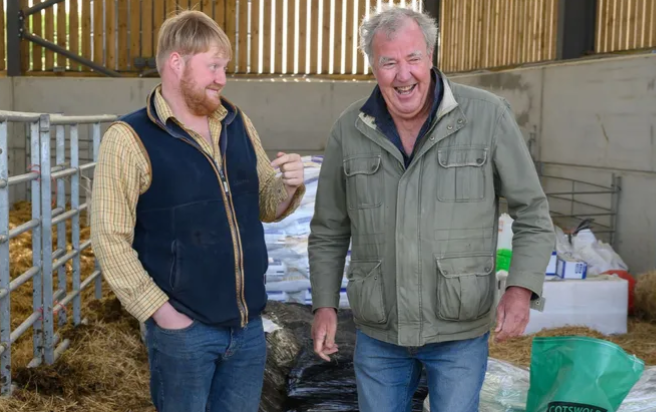
Technology and innovation take center stage in season 5. Clarkson explores driverless tractors and precision agriculture after sending farm manager Caleb Cooper to the Netherlands to observe advanced farming techniques. Dutch farms employ autonomous machinery, laser scanning, and soil analysis software to maximize efficiency on relatively small plots of land. While this technology demonstrates the potential for higher yields and reduced labor, it also highlights the barriers facing smaller farms: high capital costs, ongoing maintenance, and specialized expertise. In many cases, television revenue is what enables Diddly Squat to invest in such systems, a reality most farmers cannot replicate.
The human element is equally important. Caleb Cooper, for example, demonstrates extraordinary dedication, completing tasks on the field even when personal circumstances demand his attention. When his fiancée went into labor, he finished plowing a field before heading to the hospital. Season 5 illustrates that farming in Britain is not a 9-to-5 job but a relentless commitment where timing, weather, and crop cycles leave little room for error. These moments reveal the physical and emotional toll that agricultural work exacts, particularly on younger farmhands and managers.
Season 5 also documents the expansion of Clarkson’s business operations beyond the farm itself. The Farmers Dog pub, launched in 2024, faces intense operational challenges during its first full winter season. Staffing issues, festive peak demands, and logistical complications create chaos, yet the pub remains profitable, generating over £2 million in Hawkstone beer revenue. Clarkson has crafted a diversified business model where the farm is just one component of a broader commercial ecosystem, supported by merchandise, brewery profits, and television exposure.
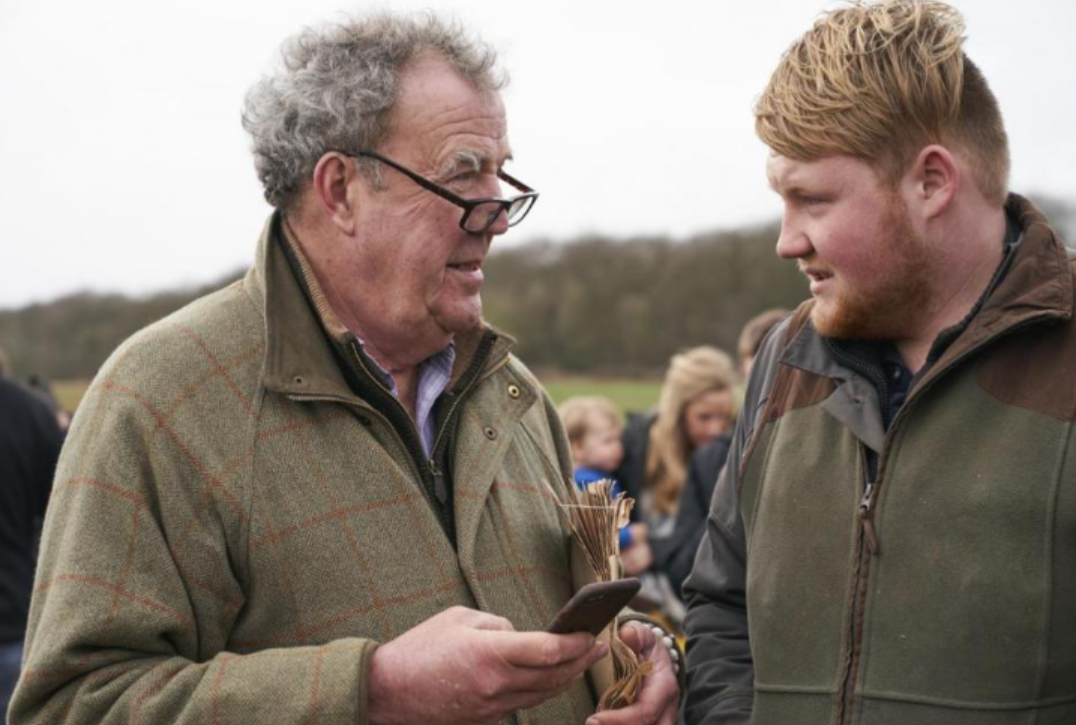
The release of season 5 coincides with major agricultural events, including the Cereals 2026 exhibition, where Diddly Squat hosts thousands of farmers, suppliers, and agronomists. The timing demonstrates Clarkson’s strategic understanding of the farm as both a production facility and a platform for engagement. By merging entertainment with commerce, he has created a unique model where the visibility of the farm amplifies the brand and supports revenue streams that are independent of the agricultural output itself.
Looking forward, season 5 raises pressing questions about the sustainability of farming in Britain. While Diddly Squat benefits from Clarkson’s fame and media deals, most farms lack such financial buffers. The economic realities revealed in the series—rising costs, unpredictable weather, and systemic vulnerabilities—suggest that many operations remain on precarious footing. Moreover, the adoption of robotics and precision agriculture, while increasing efficiency, could reduce employment opportunities for young workers, altering the future labor landscape for British farms.
In conclusion, Clarkson’s Farm season 5 is more than a television series; it is an in-depth exploration of the challenges facing modern agriculture. Through health crises, extreme weather, and technological adoption, the show portrays both the resilience required to farm successfully and the systemic pressures that threaten sustainability. Clarkson’s frank admission about the reliance on television revenue highlights a broader industry truth: farming, even with expertise and resources, is rarely profitable without external support. For viewers, the season entertains while offering sobering insights into the state of British agriculture, making it one of the most impactful series in recent memory.