Clarkson’s farm star welcomes its third child after a successful harvest season.
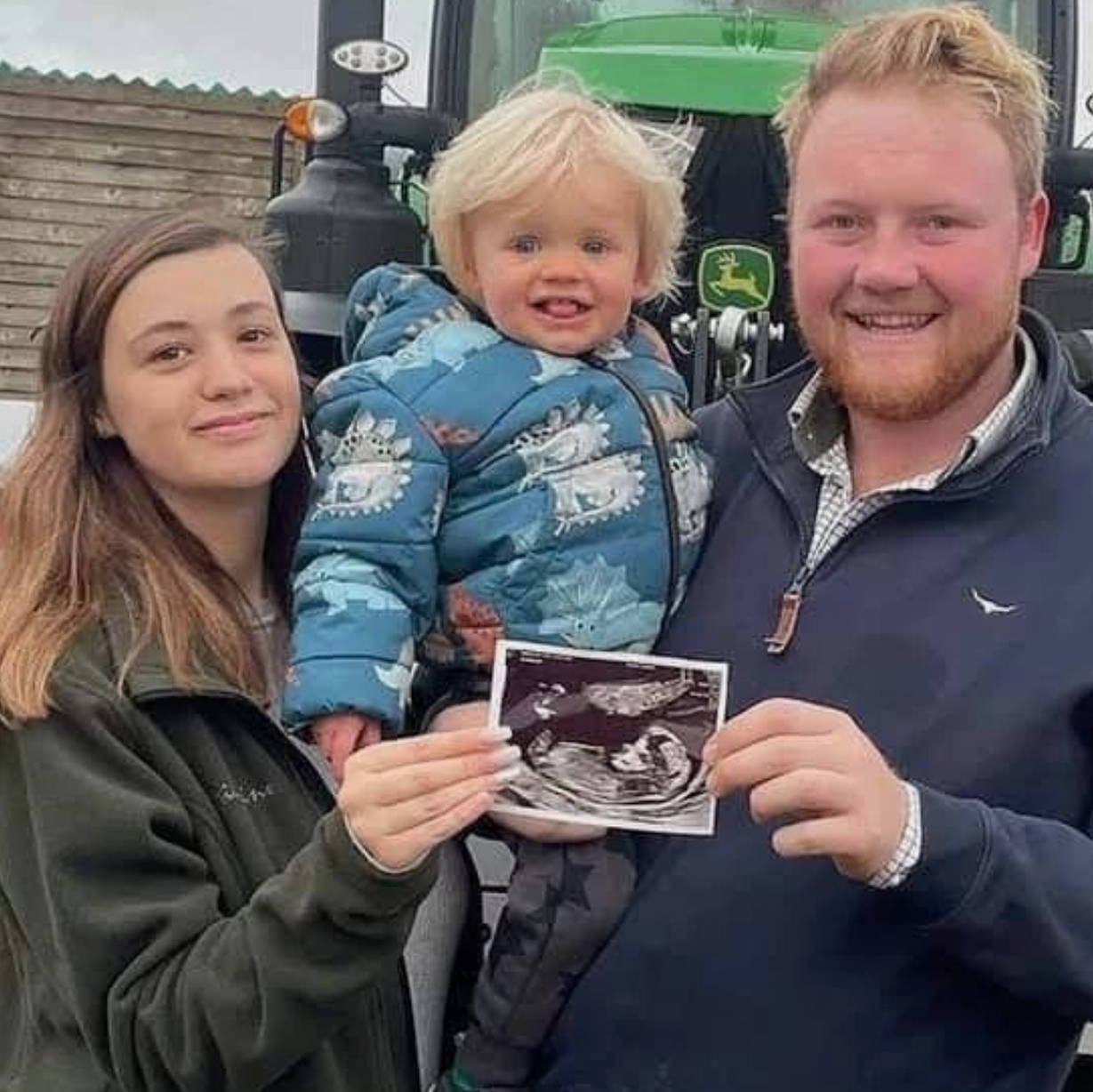
Moments like Kaleb Cooper welcoming his third child are deceptively significant within the wider narrative of Clarkson’s Farm. On the surface, it is a personal milestone—one more chapter in the life of a young farmer balancing work and family. Yet, within the structure of the programme, it also reinforces why Kaleb has become central to the show’s long-term identity and why his role may evolve further in future seasons.
What immediately stands out is not the birth itself, but Kaleb’s response to the news. True to form, he remained in the field, focused on finishing the task at hand before heading to the hospital. For viewers, this moment neatly encapsulates the ethos Clarkson’s Farm has spent multiple seasons communicating: agriculture does not pause for personal milestones, and responsibility to the land often dictates priorities in ways few outside farming fully appreciate.
From a production analysis standpoint, this reinforces Kaleb’s on-screen credibility. He is not portrayed as a celebrity reacting to fame, but as a working farmer whose life happens to be filmed. That distinction matters. As reality television audiences grow more discerning, authenticity has become the show’s most valuable currency. Kaleb’s decision—however unconventional to outsiders—strengthens that authenticity rather than undermining it.
The reaction of Jeremy Clarkson adds another layer. Clarkson’s mixture of admiration and dry humour has always functioned as a narrative bridge between the audience and the realities of farming. His comments about Kaleb prioritising the field over the delivery room were not framed as criticism, but as a wry acknowledgement of farming culture. From an editorial perspective, this preserves the mentor–protégé dynamic that has become one of the programme’s most effective storytelling devices.
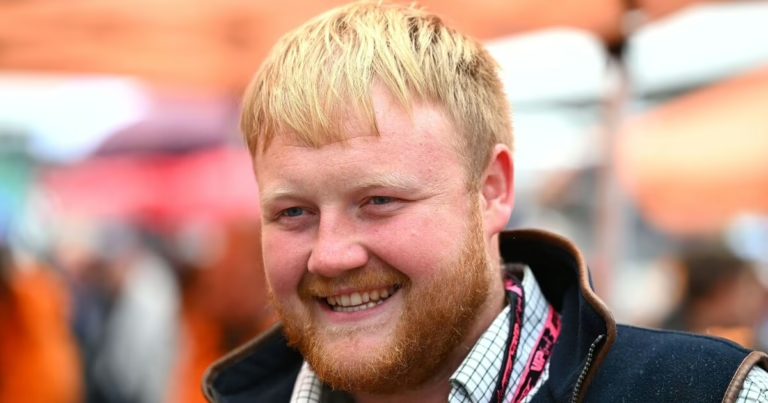
Looking ahead, Kaleb’s expanding family may subtly reshape how Clarkson’s Farm allocates focus. As the series progresses, there has already been a gradual shift away from Clarkson-centric experimentation toward a more ensemble-driven structure. Kaleb, now a father of three, increasingly represents continuity, stability, and generational investment in farming. This positions him less as comic contrast and more as a long-term anchor for the show.
That evolution becomes even more relevant when set against the current agricultural challenges faced by Diddly Squat Farm. Poor yields caused by extreme summer conditions have once again highlighted the fragility of farming margins. Clarkson’s own admission that the harvest was severely reduced underscores a recurring theme of the series: effort does not guarantee outcome. For a programme analyst, this creates a compelling contrast—Kaleb’s personal life expanding while the farm’s productivity contracts under environmental pressure.
This contrast is unlikely to be accidental in future episodes. Clarkson’s Farm has consistently woven personal developments into broader agricultural realities, allowing viewers to understand farming not as an isolated profession but as a lived experience shaped by family, weather, and economic uncertainty. Kaleb’s growing responsibilities at home may amplify the emotional weight of these challenges on screen.
There is also a strategic consideration for the show’s producers. As Clarkson himself has increasingly acknowledged the physical and regulatory toll of farming, Kaleb’s role becomes more structurally important. He is younger, deeply rooted in local farming traditions, and increasingly relatable to audiences who see him navigating work-life balance under pressure. Analysts would reasonably predict more screen time devoted to Kaleb’s decision-making, opinions, and long-term outlook.
Another likely development is a deeper exploration of Kaleb’s partnership with his fiancée, Taya. Until now, Clarkson’s Farm has largely kept Kaleb’s family life at the periphery. With three children and mounting professional demands, that balance may shift. Carefully integrated, this would broaden the show’s emotional range without undermining its agricultural focus.

Importantly, Kaleb’s continued commitment despite personal milestones reinforces one of the show’s quiet messages: farming is not a job that can be compartmentalised. The land dictates timing, not the calendar. This theme resonates strongly with audiences precisely because it runs counter to modern expectations of flexibility and convenience.
From a forecasting perspective, Kaleb’s trajectory suggests he will increasingly be framed not just as Clarkson’s assistant, but as a future-facing voice for British farming. His straightforward advice, impatience with inefficiency, and loyalty to traditional methods already set him apart. Parenthood adds another dimension—one that naturally leads to questions about sustainability, inheritance, and long-term land stewardship.
In summary, while the arrival of Kaleb Cooper’s third child may appear to be a personal footnote, within the narrative framework of Clarkson’s Farm it functions as a subtle but meaningful signal. It reinforces authenticity, deepens character development, and sets the stage for a future in which Kaleb’s role extends beyond comic relief or technical support. For viewers and analysts alike, it is another reminder that the series succeeds not because of spectacle, but because it captures the lived reality of farming—one field, one family, and one season at a time.