Conflict arose before release: Jeremy Clarkson had a heated dispute with Amazon Prime Video over licensing fees.
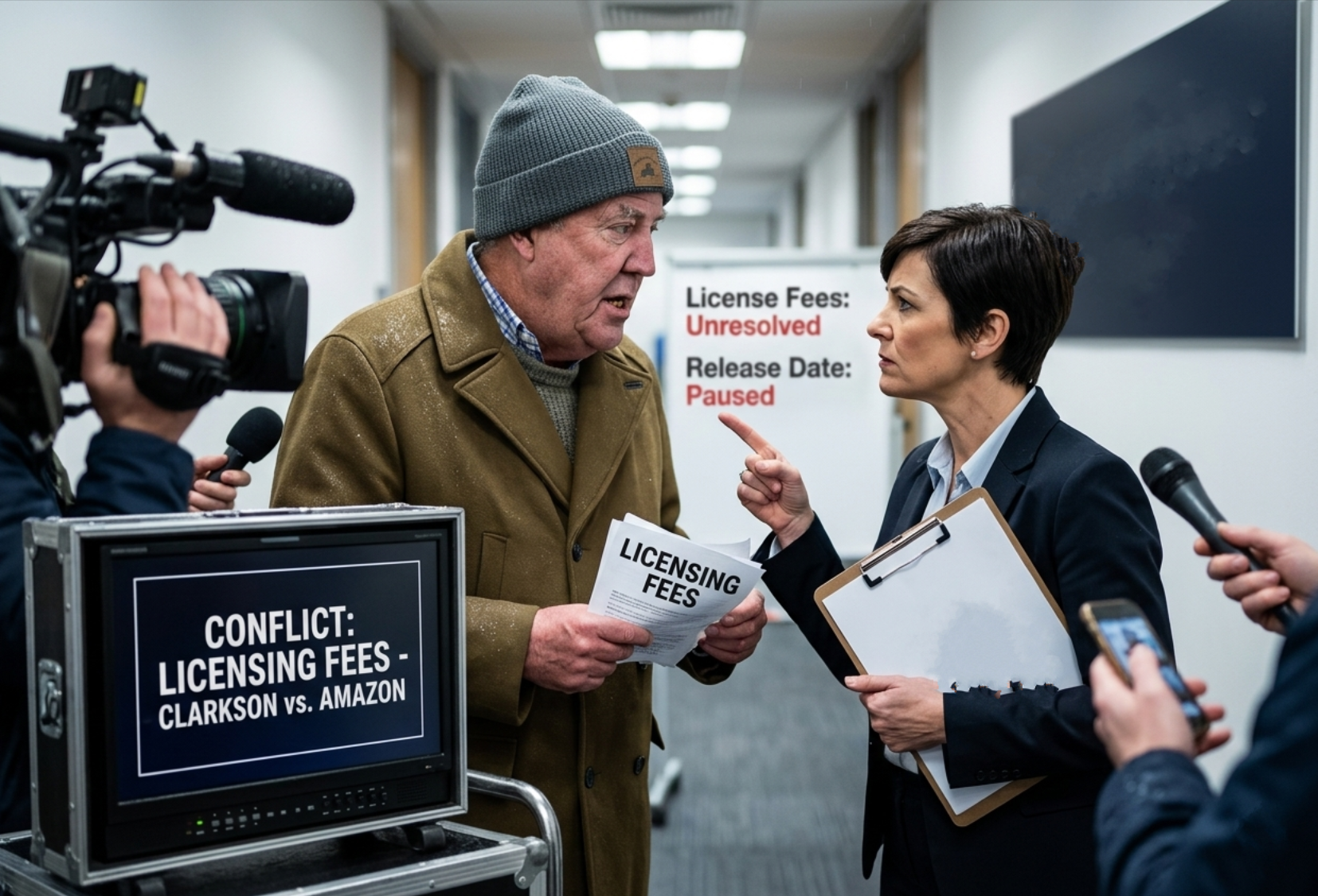
As anticipation builds for the next season of Clarkson’s Farm, reports of a behind-the-scenes dispute between Jeremy Clarkson and Amazon Prime Video have introduced an unexpected layer of uncertainty. According to emerging accounts, the disagreement centres on royalty payments and revenue distribution—an issue that, while rarely visible to audiences, can significantly influence the direction and tone of a major production.
From a programme analysis perspective, this development is not entirely surprising. Clarkson’s Farm has evolved from a niche documentary-style series into one of Amazon’s most recognisable factual entertainment brands. With that growth comes increased financial stakes, expanded global reach, and inevitably, more complex negotiations between talent and platform.
The Economics Behind a Breakout Success
Since its debut, Clarkson’s Farm has delivered consistent viewership and strong engagement across multiple markets. The show’s appeal lies in its blend of humour, authenticity, and real-world challenges facing modern farming. However, its commercial success has also transformed it into a valuable asset within Amazon’s content portfolio.
For Clarkson, this raises a fundamental question: how should that value be shared? Royalty structures in streaming platforms are often less transparent than traditional television models, where syndication and residuals are more clearly defined. As the face of the series—and a key creative force—Clarkson may be seeking a revised agreement that better reflects the show’s performance and long-term profitability.
From Amazon’s perspective, maintaining cost control while scaling global content is equally critical. Adjusting royalty terms for one high-profile presenter could set a precedent affecting other productions. This creates a negotiation environment where both sides have strong incentives but limited flexibility.
Timing and Its Potential Impact on Season Rollout
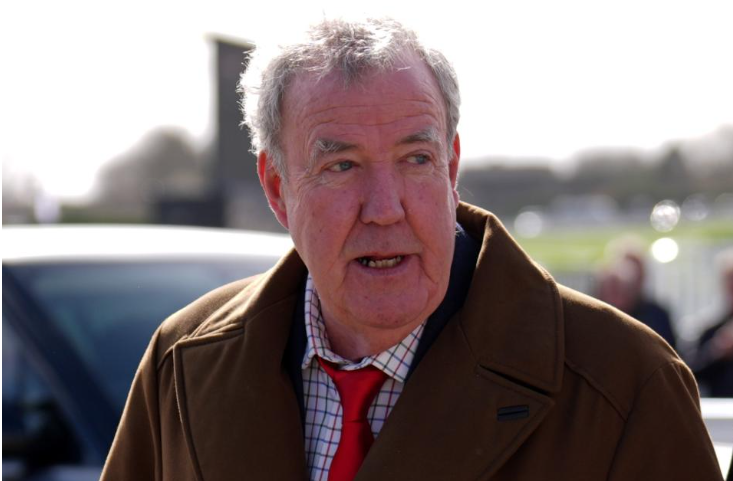
What makes this reported dispute particularly significant is its timing. Occurring just before the premiere of a new season, it introduces the possibility of disruptions at a critical promotional stage. Pre-release periods are typically dominated by coordinated marketing campaigns, press appearances, and social media engagement—all of which rely heavily on the active participation of the show’s central figure.
If tensions remain unresolved, Clarkson’s promotional involvement could be affected. Even subtle shifts—such as fewer interviews or a more reserved public tone—may influence audience perception and momentum heading into the launch.
However, it is equally plausible that both parties will prioritise a swift resolution. The commercial importance of a successful premiere creates strong pressure to stabilise relations, at least in the short term.
On-Screen Dynamics and Narrative Direction
One of the defining characteristics of Clarkson’s Farm is its ability to integrate real-world challenges into its narrative. Planning disputes, weather setbacks, and regulatory hurdles have all become central storylines. A disagreement between Clarkson and Amazon, while external to the farm itself, could indirectly shape how the series evolves.
If tensions persist, viewers may notice a shift in Clarkson’s on-screen persona. His established character—combining humour with frustration at bureaucratic obstacles—could take on a sharper edge. While the show is unlikely to address contractual issues directly, the emotional tone of the series often reflects Clarkson’s real-life experiences.
There is also the possibility that the production team adjusts its editorial focus. Greater emphasis on Clarkson’s independent ventures, such as his agricultural products or hospitality business, could serve to reinforce his role as an entrepreneur beyond the confines of the series. This would subtly reframe the narrative from a farm-based story to a broader exploration of rural enterprise.
Long-Term Implications for the Franchise
Beyond the immediate season, this situation raises questions about the long-term trajectory of Clarkson’s Farm. If the dispute reflects deeper structural disagreements, it could influence future contract negotiations, episode formats, or even the number of seasons commissioned.
Clarkson has previously demonstrated a willingness to pivot when relationships with broadcasters become strained. His transition from traditional television to streaming platforms is a clear example. While there is no indication of an imminent departure, the current tension highlights the importance of alignment between creative talent and distribution partners.
For Amazon, retaining Clarkson is strategically valuable. The show not only attracts viewers but also contributes to brand identity, particularly in markets where British factual entertainment performs strongly. Ensuring continuity is therefore likely a priority.
A Broader Industry Context
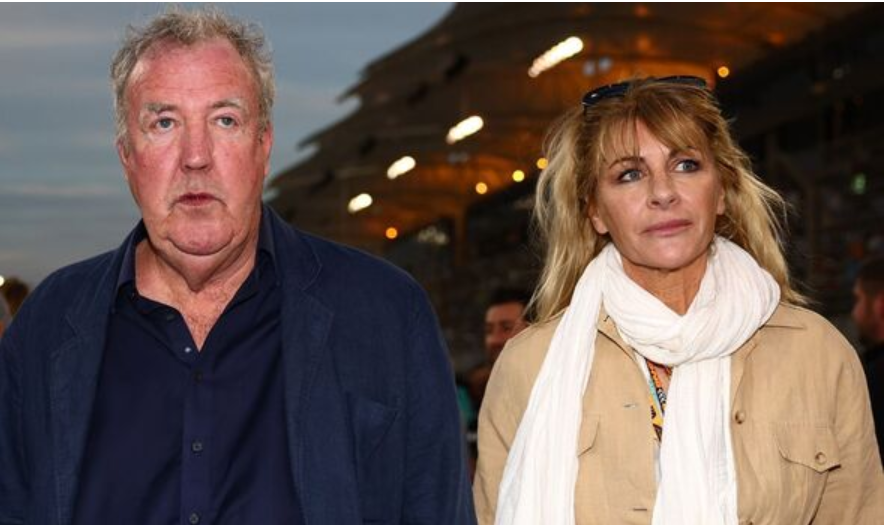
This reported disagreement also reflects a wider trend within the streaming industry. As platforms compete for high-performing content, the balance of power between creators and distributors is shifting. Established figures like Clarkson, who bring both audience loyalty and production experience, are increasingly positioned to negotiate more favourable terms.
At the same time, platforms must manage budgets across an expanding slate of original programming. The result is a series of negotiations that extend beyond individual shows, shaping the economics of streaming as a whole.
What Viewers Should Watch For
As the new season approaches, the key indicators will be subtle rather than overt. The tone of promotional material, Clarkson’s public statements, and the pacing of future announcements may all provide insight into how the situation is evolving.
From a content perspective, the core elements of Clarkson’s Farm—its humour, challenges, and character dynamics—are likely to remain intact. However, the context surrounding its production adds an additional layer of interest for viewers who follow the industry closely.
Conclusion: Tension as a Catalyst for Change
While disputes over royalties are not uncommon in television production, their visibility at this stage highlights the scale and significance of Clarkson’s Farm. What began as a personal farming experiment has become a major commercial property, bringing with it the complexities of large-scale media production.
Whether this disagreement leads to lasting changes or is resolved quietly behind the scenes, it underscores a central reality: success reshapes expectations. For Clarkson and Amazon alike, the challenge now is to align those expectations in a way that allows the series to continue its growth without compromising the qualities that made it successful in the first place.