Farmers against Net Zero: Clarkson’s outrage over Miliband’s project

In recent years, British farming has faced unprecedented challenges, many of which can be traced back to the government’s push for “net zero” emissions. While the aim of reducing carbon footprints is noble, the reality of its impact on farmers is far from straightforward. As the government enforces policies designed to make farming “greener,” a deeper, more troubling issue has emerged: the elimination of small farms and family-run operations. Farmers argue that the net-zero agenda is more about the restructuring of the agricultural industry than actually improving its environmental performance.
The Unseen Reality of Policy and Farming Life
One of the most striking aspects of the government’s net-zero policies is the disconnect between the decision-makers in Westminster and the farmers who work the land. As outlined in recent commentary, many policymakers have never set foot in a field or faced the brutal, daily realities of farm life. They are insulated from the long hours, physical labor, and the risks of unpredictable weather conditions that farmers face regularly. In contrast, those pushing for stricter emissions regulations are removed from the consequences of these decisions. While it is easy to create policies on paper, there is little acknowledgment of the human cost and the immediate dangers that farmers face when the rules come into play.
Farming is not a job that allows for mistakes, especially when the livelihoods of entire families depend on a successful harvest. But the push for greener farming methods, including electric tractors and other technologies that are far from ready for widespread use, is putting small farmers at risk. The introduction of these “idealistic” solutions threatens to cripple an industry that is already struggling to stay afloat. With machinery that isn’t capable of keeping up with the demanding seasons or fields that require constant attention, farmers are being set up to fail before they even have a chance to thrive.
Net Zero’s Effect: A Shift Toward Imported Food
The most troubling consequence of the current net-zero policies is the shift toward relying on imported food. While emissions in the UK might drop on paper, the environmental cost of importing food from countries with looser regulations is a hidden tragedy. Instead of supporting British farmers, who have already worked to meet stringent environmental standards, the policy encourages food imports from countries with weaker regulations and less stringent environmental controls. In essence, the carbon footprint is being shifted overseas, making the UK more reliant on global supply chains, which is neither sustainable nor a true reflection of environmental responsibility.
The result is a fragmented food system, where British farmers are left competing against cheap, lower-quality imports. Meanwhile, the government fails to take responsibility for the environmental impact of food production abroad, leading to an unsustainable and fragile agricultural landscape. It’s the epitome of what critics describe as “carbon bookkeeping”—a form of moral outsourcing where responsibility for emissions is conveniently shifted away from the UK, while the domestic industry is left to collapse.
The Collapse of Family Farms: The Unspoken Cost
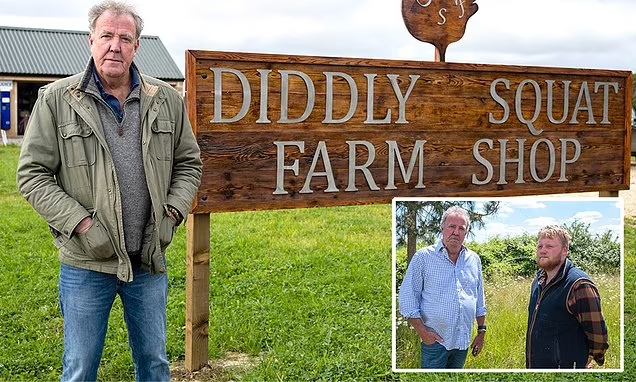
Perhaps the most painful result of the net-zero push is the death of small family farms. As compliance costs rise, machinery becomes outdated, and the pressures of meeting targets grow, many small farms are simply unable to survive. The narrative being pushed in Westminster ignores the reality that when a farm fails, it doesn’t just disappear from the economic landscape; it wipes out generations of farming knowledge and expertise. The traditional skills of reading the land, knowing when to plant, harvest, and deal with the unpredictability of nature are disappearing, and once they’re gone, they are nearly impossible to replace.
With each farm that closes its gates, the UK loses not just an agricultural operation, but also the resilience and self-sufficiency that have been the backbone of British farming for centuries. When the country relies on imports, it becomes more dependent on global trade, which is vulnerable to market fluctuations, political instability, and climate change elsewhere. If UK farmers continue to disappear due to unrealistic policies and market pressures, the nation will be left with a fragile food system reliant on others, losing the diversity and stability it once had.
The Need for a More Thoughtful Approach to Net Zero
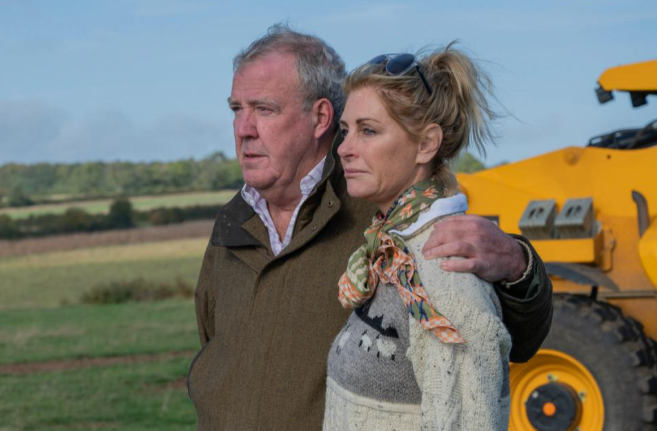
In conclusion, while the ambition of the net-zero agenda is to reduce the UK’s carbon footprint, the impact on British farming needs more careful consideration. The policies being implemented may seem like progress on paper, but they have devastating consequences for farmers who are working hard to provide food for the nation. It is critical that future environmental policies consider the real-world consequences for agriculture, rather than pushing the industry to the brink of collapse.
Farmers deserve a more nuanced, balanced approach—one that recognizes their efforts to reduce emissions and invest in sustainable practices. A one-size-fits-all policy that treats farmers as obstacles rather than partners in environmental change is doomed to fail. If the UK is to truly transition to a sustainable, resilient future, it must protect its farmers, preserve local food production, and stop outsourcing environmental responsibility. The time has come for a new conversation about how the agricultural industry can move forward without sacrificing the livelihood of those who have been feeding the nation for generations.
Ultimately, the future of British farming is not just about policy or regulation—it’s about the people who make it work. Their expertise, experience, and resilience must be at the heart of any conversation about sustainability. Otherwise, the push for a “greener” future could end up undermining the very foundation of the food system that supports the UK.