From Surplus Barley to a £75 Million Empire: The Unstoppable Rise of Jeremy Clarkson’s Hawkstone Brewery
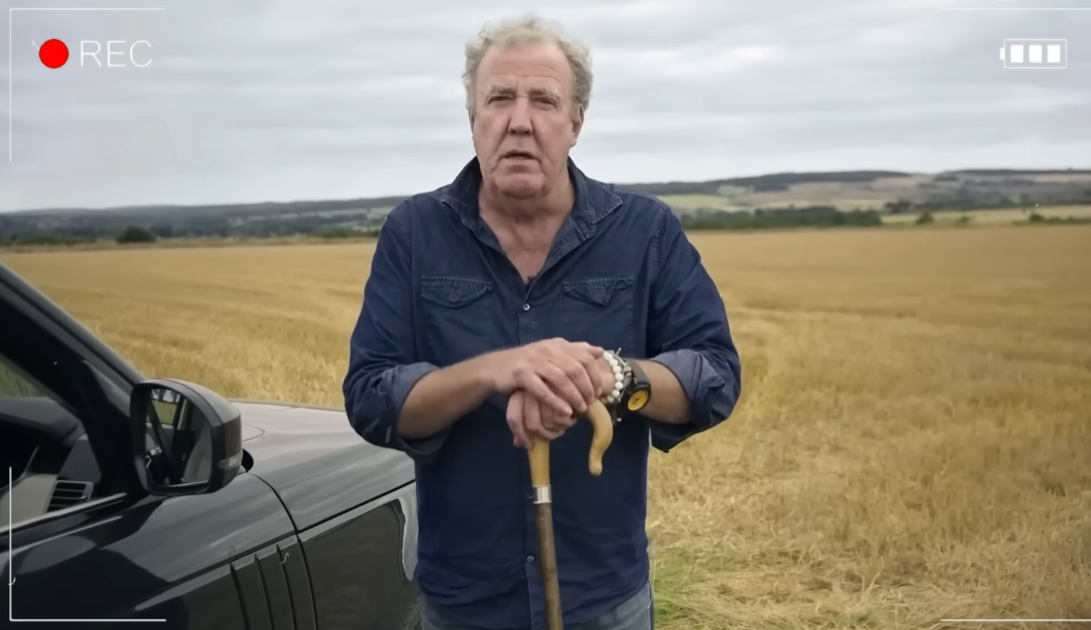
Jeremy Clarkson is no stranger to reinvention. He has been a motoring journalist, a global TV phenomenon, and most recently, the world’s most unlikely face of British agriculture. But his latest title—brewery tycoon—might be his most successful pivot yet. What began in 2020 as a desperate solution to a mountain of unsellable grain has evolved into Hawkstone Brewery, a “liquid gold” empire now valued at a staggering £75 million.
The Problem Nobody Wanted
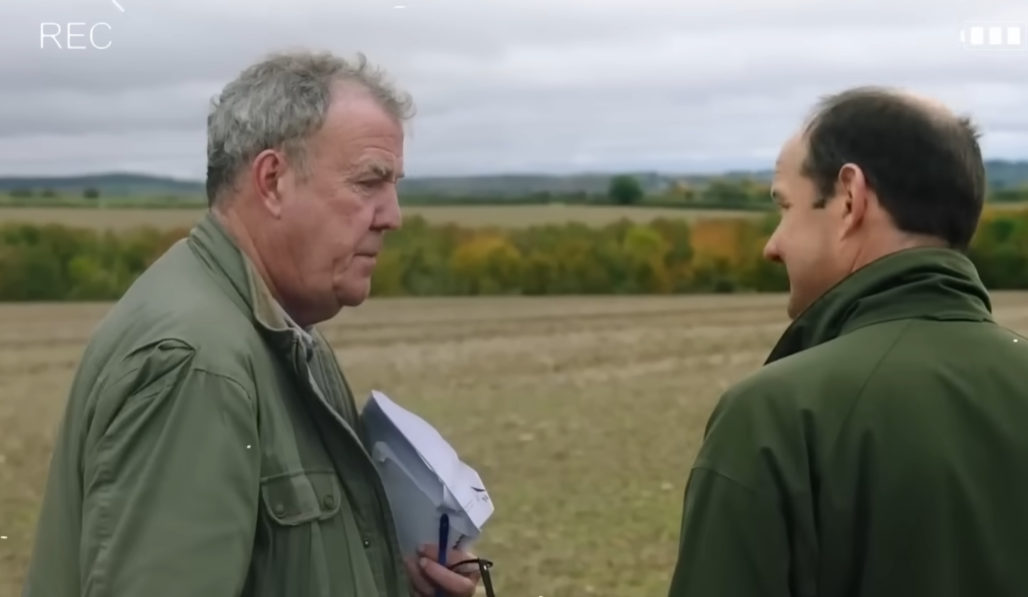
The story of Hawkstone didn’t start in a boardroom, but in a freezing tractor shed on Clarkson’s now-famous Diddly Squat Farm. Following his first proper harvest, Clarkson found himself holding 1,000 acres of premium malting barley. To his dismay, the traditional markets were closed. Big maltsters weren’t interested in small batches from a “celebrity hobby farmer,” and grain merchants offered prices that wouldn’t even cover the cost of the diesel used to harvest it.
“Jeremy, we’re going to lose money on every single ton,” his farm manager, Kaleb Cooper, famously warned.
Faced with a total loss, Clarkson fell back on a quintessential British instinct: if no one will buy the raw ingredients, turn them into beer. Named after the Hawkstone Pillar, a local Neolithic standing stone, the brand was born not out of a marketing gimmick, but out of “stubbornness, principle, and a bit of rebellion.“
Perfect Timing in a Imperfect World
Launching a premium lager in October 2020—at the height of a global pandemic with every pub in Britain shuttered—seemed like typical Clarkson madness. Critics predicted a swift collapse. However, the timing proved masterfully accidental.
With holidays cancelled and restaurants closed, the British public was looking for “small luxuries” to enjoy at home. Hawkstone didn’t need crowded bars; it found its way into kitchens and living rooms. By the time the world reopened, the brand had already established a cult following.
A Revolutionary Supply Chain
What sets Hawkstone apart from other celebrity-backed spirits is its radical commitment to the British rural economy. While major breweries often source the cheapest global grain available, every drop of Hawkstone is brewed using barley grown on Diddly Squat and neighboring farms in Oxfordshire and Gloucestershire.
“It would have been far cheaper to import grain in bulk,” Clarkson admits. “But the point was proving you could build a successful business while actually supporting the rural economy instead of squeezing it dry.“
This transparency resonated with consumers. Within two years, the brand jumped from farm-shop shelves to major national retailers including Tesco, Sainsbury’s, Waitrose, and Morrison’s, frequently outselling craft beer veterans that had been on the market for a decade.
Taking on the “Big Beer” Giants
The path hasn’t been without friction. Breaking into the UK pub trade is notoriously difficult due to “tied house” agreements and exclusivity deals held by international beverage giants. Clarkson’s response was to bypass the gatekeepers entirely.
By offering independent pubs better margins and direct human support, Hawkstone turned the “Clarkson effect” into a foot-in-the-door. Today, over 500 independent pubs proudly display Hawkstone on their taps, with many reporting it as their top-selling lager.
More Than Just a Drink
Today, the Hawkstone empire has expanded far beyond its flagship lager to include IPAs, Pilsners, and a cider made from traditional Cotswold apples. The brewery has become a vital local employer, providing high-skilled jobs in a region where rural opportunities were vanishing.
As the brand begins its international expansion into Canada, Australia, and Asia, Clarkson remains focused on the roots of the project. Hawkstone is now a “guaranteed buyer” for local farmers, ensuring that the next generation of British growers has a future.
For a man who spent decades driving fast cars, Jeremy Clarkson has finally found a slower, more fermented pace of life—and in doing so, he has created a blueprint for the future of British farming.