Jeremy Clarkson Emerges as Unexpected Voice for Farmers Amid UK Inheritance Tax Controversy
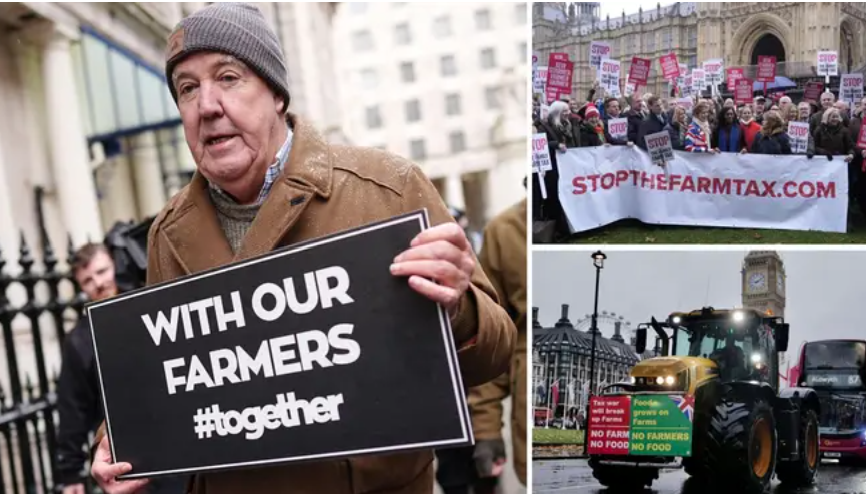
Jeremy Clarkson, the former Top Gear and Grand Tour star turned farm show host, has found himself in an unlikely position: the de facto spokesperson for Britain’s farming community. While he has often joked about his lack of farming expertise, his Amazon Prime series, Clarkson’s Farm, has propelled him into a position of influence, allowing him to highlight the challenges faced by farmers in the UK. His platform recently became especially significant following the announcement of the Autumn Budget, which introduced a controversial inheritance tax on agricultural assets.
The policy targets estates with agricultural assets over £1 million, reaching up to £3 million in some cases. While the government has emphasized that the majority of farmers will remain unaffected and that the policy is designed to curb wealthier landowners from avoiding tax, farming groups have argued that this move threatens the sustainability of family-owned farms. Clarkson, known for his outspoken personality, quickly weighed in on the issue. Despite his status as a millionaire landowner, he has sought to represent the concerns of everyday farmers whose livelihoods depend on inherited land and small-scale operations.
Clarkson has consistently stressed that he does not consider himself a farmer in the traditional sense, but rather sees his role as shedding light on rural challenges. In a recent interview, he highlighted the disparity within the industry: while Diddly Squat Farm may appear prosperous on camera, many farmers face financial hardship, working long hours for minimal pay or taking no salary at all. “There is absolute poverty. I’m surrounded by farmers with 200 acres, 400 acres. They are struggling to survive,” Clarkson said, underscoring the reality behind the idyllic television portrayal.
Tensions Rise as Protests Organize Around Tax Policy
The inheritance tax announcement quickly prompted a response from the farming community, including the National Farmers Union (NFU). They scheduled a protest in London for November 19, 2024, urging their members to participate while also restricting numbers for organizational reasons. Clarkson, leveraging his influence, had initially planned to organize a coach to transport farmers to the capital, emphasizing a peaceful and dignified approach to the protest. He remarked that unlike some activist groups, farmers were focused on demonstrating their concerns respectfully rather than causing disruption.
The protest and associated discussions have drawn attention not only to the policy but to the larger concerns of rural Britain, including land use, urban development, and energy projects such as wind farms. Clarkson’s commentary has sparked debate, with some critics noting that his substantial wealth might hinder public empathy for his advocacy. However, Clarkson’s supporters argue that his reach allows him to amplify the voices of those otherwise marginalized in national conversations about agriculture.
His public statements have often included colorful critiques of political figures. For instance, Clarkson has expressed skepticism toward Labour leader Keir Starmer and Environment Minister Rachel Reeves, suggesting that some policy moves could threaten family-run farms. While these remarks have generated headlines, Clarkson maintains that his goal is to draw attention to the real pressures on farmers, including inheritance taxes, climate change, and economic uncertainty.
A Global Platform for Rural Advocacy
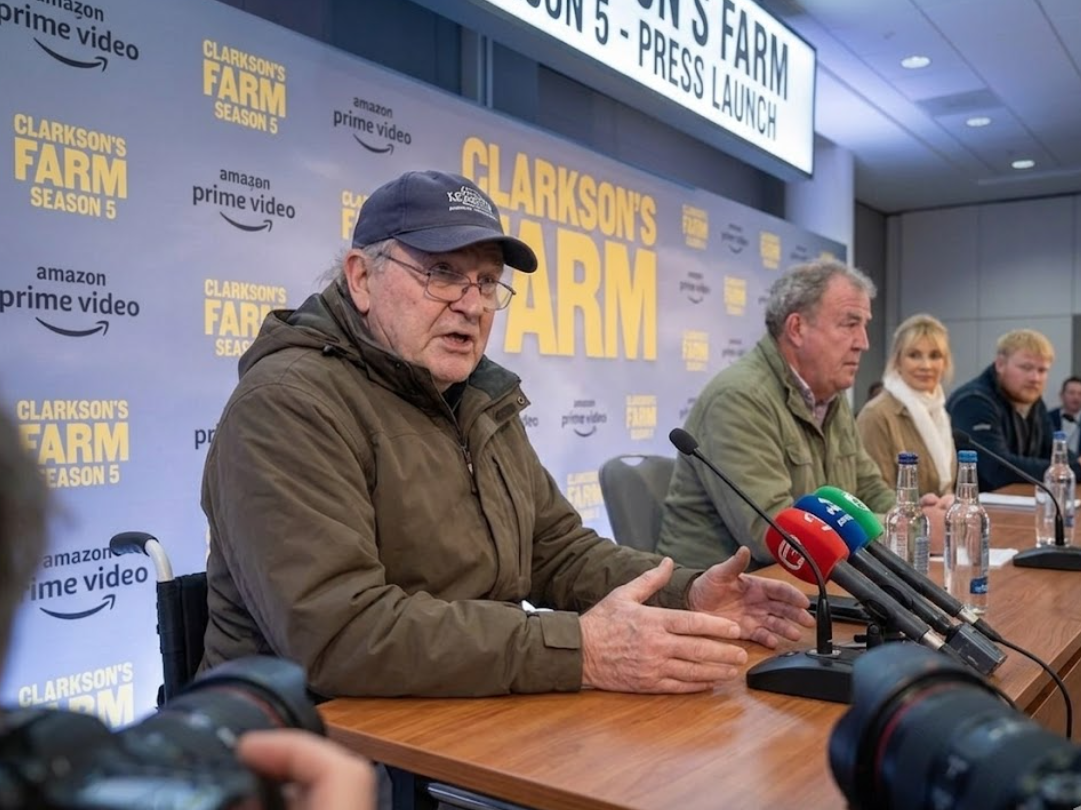
Beyond the UK, Clarkson’s television work has had international resonance. Clarkson’s Farm has not only entertained viewers but also created awareness about the realities of modern farming. With the show recently renewed for two additional seasons, Clarkson is positioned to continue exploring the economic and social challenges facing farmers, including those related to inheritance policies, land valuation, and rural poverty.
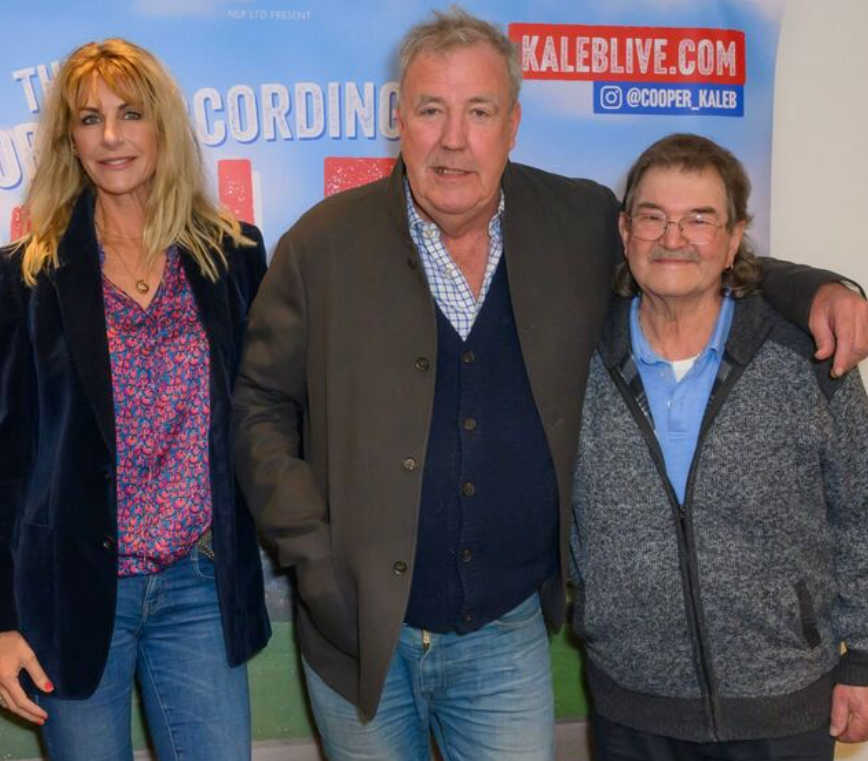
Clarkson’s approach combines humor, visibility, and advocacy. While he himself owns significant farmland and is financially secure, he has repeatedly emphasized that his role is not to lead the movement but to report on the industry. His land agent Charlie Ireland and farm manager Kaleb Cooper, who has emerged as a voice for young farmers, have also contributed to public discussions about taxation and agricultural policy, helping to frame these issues from the perspective of those directly impacted.
The government has maintained that its overseas investment initiatives, which reportedly include £500 million in agricultural projects abroad, aim to support global food security while benefiting British farmers. However, Clarkson and other critics argue that domestic farmers face distinct challenges that require more immediate attention. The inheritance tax debate highlights a broader tension in British farming between wealth management, land ownership, and the practical realities of running a farm in an economically and politically dynamic environment.
Balancing Celebrity, Wealth, and Advocacy
Clarkson’s unique position as both a wealthy landowner and an outspoken public figure has fueled both admiration and criticism. Some question the optics of a multimillionaire representing farmers struggling with debt and low wages. Others recognize that without his platform, the plight of the farming community might not receive the same level of attention. By combining media influence, personal experience, and humor, Clarkson has created a space where serious issues can be discussed in the public eye.
His growing role in agricultural advocacy demonstrates the power of celebrity in shaping national conversation. As Britain continues to debate inheritance tax and the future of family farms, Clarkson’s influence is likely to remain significant, highlighting not just the policies themselves but the human stories behind them. For viewers and the wider public, his commentary offers insight into the complexities of rural life that often go unnoticed, from financial hardship to the cultural importance of family-run farms.
While the government has shown no intention of reversing its stance, Clarkson’s continued engagement suggests that farming advocacy in the UK has gained a new, high-profile champion. Whether one agrees with his approach or not, Clarkson has succeeded in turning a television platform into a vehicle for public discourse on the challenges and inequities facing farmers today.