Jeremy Clarkson Expands His Farming Empire: The Purchase of a $2 Million Farm for Season 5 Filming
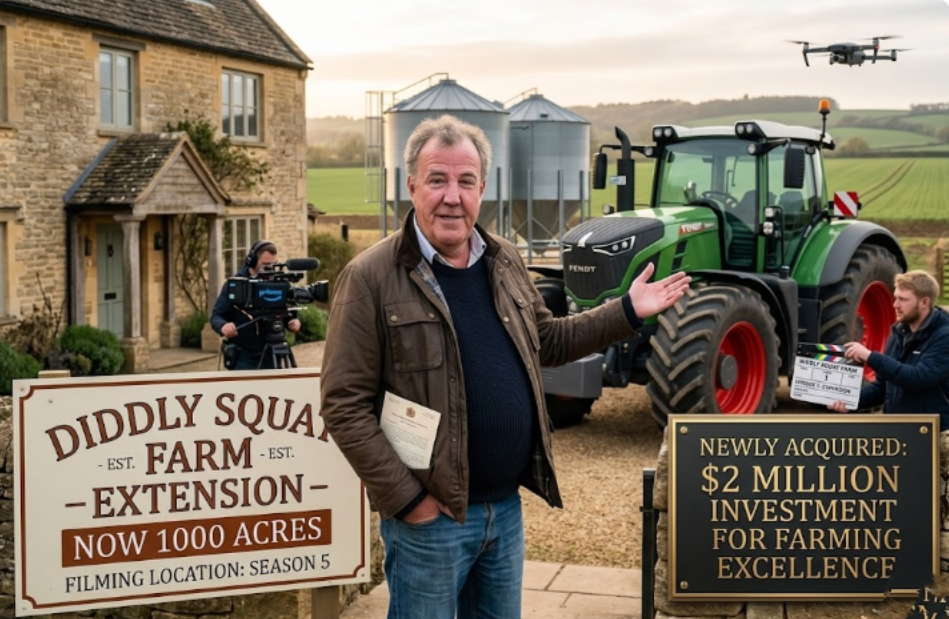
In a move that has captured the attention of fans and critics alike, Jeremy Clarkson, the host of Clarkson’s Farm, has added a $2 million farm to his growing agricultural empire. This strategic purchase, announced as part of the preparations for the fifth season of the hit Amazon Prime Video series, marks a significant turning point in the show’s evolution and raises new questions about the future of the farm and its expansion. From an analytical standpoint, this acquisition not only affects the physical and financial landscape of Clarkson’s farm but also sets the stage for a season filled with new dynamics, increased challenges, and a more ambitious vision of rural life.
The purchase, which adds a substantial 200 acres to Clarkson’s existing Diddly Squat Farm in the Cotswolds, signals a bold new chapter for the series. As Clarkson moves forward with his agricultural pursuits, this new property provides the space and resources to explore new farming ventures, from crop diversification to potentially larger livestock operations. For a programme that has thrived on the unpredictability of Clarkson’s farming failures and triumphs, the expansion opens the door to even more exciting, yet unpredictable, moments.
A Bigger Vision: The Business of Farming
The most notable aspect of this new purchase is the clear business angle that has come to define Clarkson’s farming journey. What started as a passion project—and, arguably, a bit of a joke—has evolved into a serious business venture. Clarkson’s investments into both Diddly Squat and the neighbouring pub, The Farmer’s Dog, demonstrate his growing interest in using his farming operations as a springboard for larger commercial success. This new $2 million farm will likely play an integral role in this expansion, potentially serving as a testing ground for larger-scale operations, more product lines, or even an additional farm shop.
From an analytical perspective, this new farm allows Clarkson to diversify his offerings in a way that Diddly Squat, constrained by space and the limitations of its size, simply cannot. The show has always been grounded in Clarkson’s hilarious and often disastrous attempts to turn a failing farm into a functional business. Season 5, however, might signal a shift from these humble, comical roots to a more polished and well-funded venture. The introduction of this new farm could lead to the creation of new revenue streams, from agricultural production to merchandise tied to the expanded land. This expansion will undoubtedly challenge the authenticity of the series, which has always thrived on the charm of its DIY farming methods.
New Challenges and Dynamics: More Land, More Problems
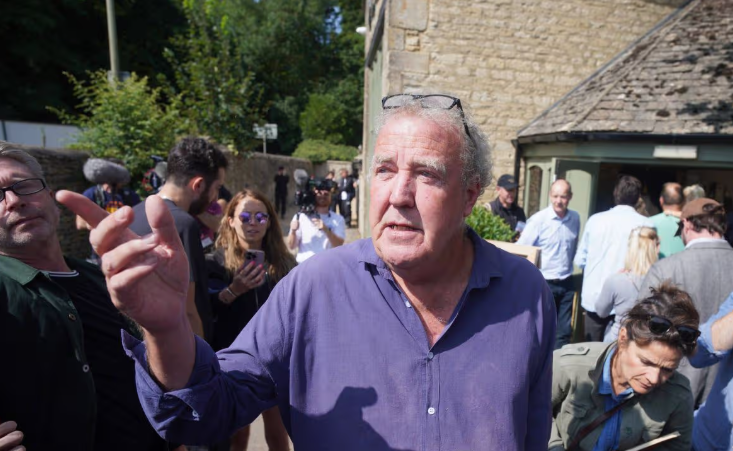
However, with every new acquisition comes a slew of new challenges. The addition of a $2 million farm is likely to stretch Clarkson’s already limited farming knowledge and resources, particularly when considering the complexity of managing a larger property. The real question that will drive the narrative in Season 5 is whether Clarkson can maintain the same level of raw, unfiltered farming antics that the show has built its reputation on, or if the increased scale will necessitate a more structured, professional approach.
One of the anticipated storylines will revolve around how Clarkson adapts to the practical and financial demands of a larger operation. Running a farm is no simple feat—especially one with a price tag as high as this. With additional land comes the need for more equipment, more staff, and more overhead costs. Will Clarkson continue to rely on his misadventures, or will he embrace more professional farming practices? The dynamic between Clarkson and his farming partner, the ever-competent Kaleb Cooper, will undoubtedly be tested further as they take on this larger farm together. Kaleb, who has been the grounded, practical voice on the show, may find himself stretched thinner as the stakes increase.
Moreover, the purchase of a second farm will likely introduce new characters into the mix. In previous seasons, Clarkson’s team of local advisors, including Kaleb and other farming professionals, have been key to the show’s charm. The addition of a second property may require Clarkson to bring in additional experts, which could add new layers of tension and collaboration. For viewers, this could mean a fresh set of dynamics to engage with, particularly if the new property comes with different types of land, crops, or livestock that require specialized knowledge. The integration of these new experts could also generate a larger-than-life feel, moving the show beyond its DIY farming roots into a new era.
The Public and Personal Stakes: What Does This Mean for Clarkson?
On a personal level, the $2 million farm purchase adds another layer to Clarkson’s public persona. Over the course of Clarkson’s Farm, the show has evolved from an exploration of one man’s failure to adapt to farm life into a celebration of Clarkson’s transformation as a farmer and businessman. The acquisition of this new farm reflects his deepening commitment to the agricultural lifestyle, albeit with a strong commercial edge.
For Clarkson, this purchase is as much about securing his place in the world of farming as it is about expanding his brand. In some ways, the larger farm is a symbol of his success—both in terms of the farming operation itself and in the commercial reach of the Clarkson’s Farm series. As the show grows in popularity, Clarkson’s farming journey becomes increasingly tied to his identity as a public figure. This new venture is more than just an extension of the farm; it is a statement of Clarkson’s ambition and his desire to shape his legacy, both on-screen and in the world of rural entrepreneurship.
What’s Next for Clarkson’s Farm?
Looking forward to Season 5, the purchase of the $2 million farm sets the stage for an entirely new set of narratives. This larger farm presents endless opportunities for content, from new farming techniques and challenges to the potential for more advanced, professional operations. But with increased size comes the pressure to deliver not just comedy, but also a more refined, business-oriented farm experience. The expansion of Clarkson’s farm empire represents a turning point for the show: it must now find the balance between its roots in chaotic, DIY farming and its growing role as a serious business venture. Season 5 will be a critical test of how well Clarkson can adapt to this new reality, and whether the show can continue to deliver the authenticity and charm that made it a success in the first place.
For fans, this new farm is an exciting development, promising fresh content, new faces, and a more ambitious vision of Clarkson’s farming future. But it also raises the stakes for the show itself—can Clarkson maintain his comedic, down-to-earth persona while managing an ever-expanding agricultural empire? The answer will unfold as the season progresses, and fans can expect the unexpected, as always.