Jeremy Clarkson Faces Major Financial Blow After New UK Farmland Tax Rule: What It Means for Diddly Squat Farm’s Future
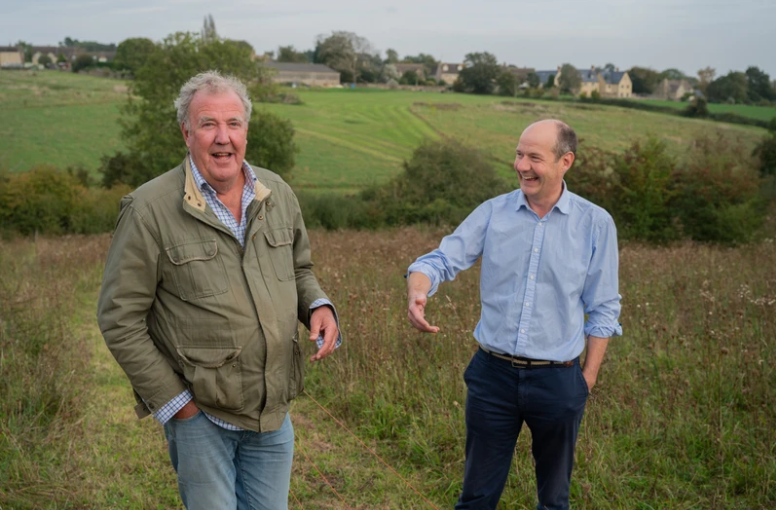
In the world of farming, financial challenges are as common as the seasons themselves. However, for Jeremy Clarkson—former Top Gear host and current star of Amazon Prime’s Clarkson’s Farm—a new UK farmland tax rule could pose a significant hurdle for his beloved Diddly Squat Farm. Known for his bold personality and often comedic approach to farming, Clarkson’s venture into agriculture has been a journey full of ups and downs. But with a major financial blow now on the horizon due to this new tax law, what does the future hold for Diddly Squat Farm? Let’s take a closer look at the potential impact of these changes and what it could mean for the farm, Clarkson’s business ventures, and his portrayal of farming on television.
The UK Farmland Tax Rule: A Financial Gamechanger
The UK government’s introduction of new farmland tax regulations is being hailed as a critical reform, especially with rising land values and a changing economic climate. While the rules aim to address long-standing issues with land ownership and tax avoidance, they also present challenges for farmers like Clarkson, who have invested heavily in land and agricultural ventures. The rules are designed to curb tax loopholes that allowed wealthy individuals—particularly those with substantial agricultural holdings—to benefit from tax relief programs intended for smaller, working farms. The implications for Clarkson’s Diddly Squat Farm are clear: the new regulations could result in a steep financial impact.
Currently, Clarkson’s farm is a relatively small-scale operation compared to large agricultural enterprises, but his presence and media visibility have turned Diddly Squat into a well-known farm. However, under these new tax laws, farmers with large land holdings or those who are not deemed to be “actively” farming may face higher tax liabilities. This means that Clarkson, whose farming journey has been chronicled with humor and personal insights, could be facing a financial reality that may not be as entertaining as the segments he’s filmed for the show.
The exact tax ramifications for Clarkson are still unfolding, but it’s clear that the new rules will bring unforeseen financial strain. As an individual who initially admitted to having limited farming knowledge, Clarkson might not have fully anticipated the level of financial scrutiny that would follow his public farming experiment. For a man who built a multi-million-pound empire from his media ventures, the added tax burden could be a significant blow—especially if it undermines the financial viability of his agricultural pursuits.
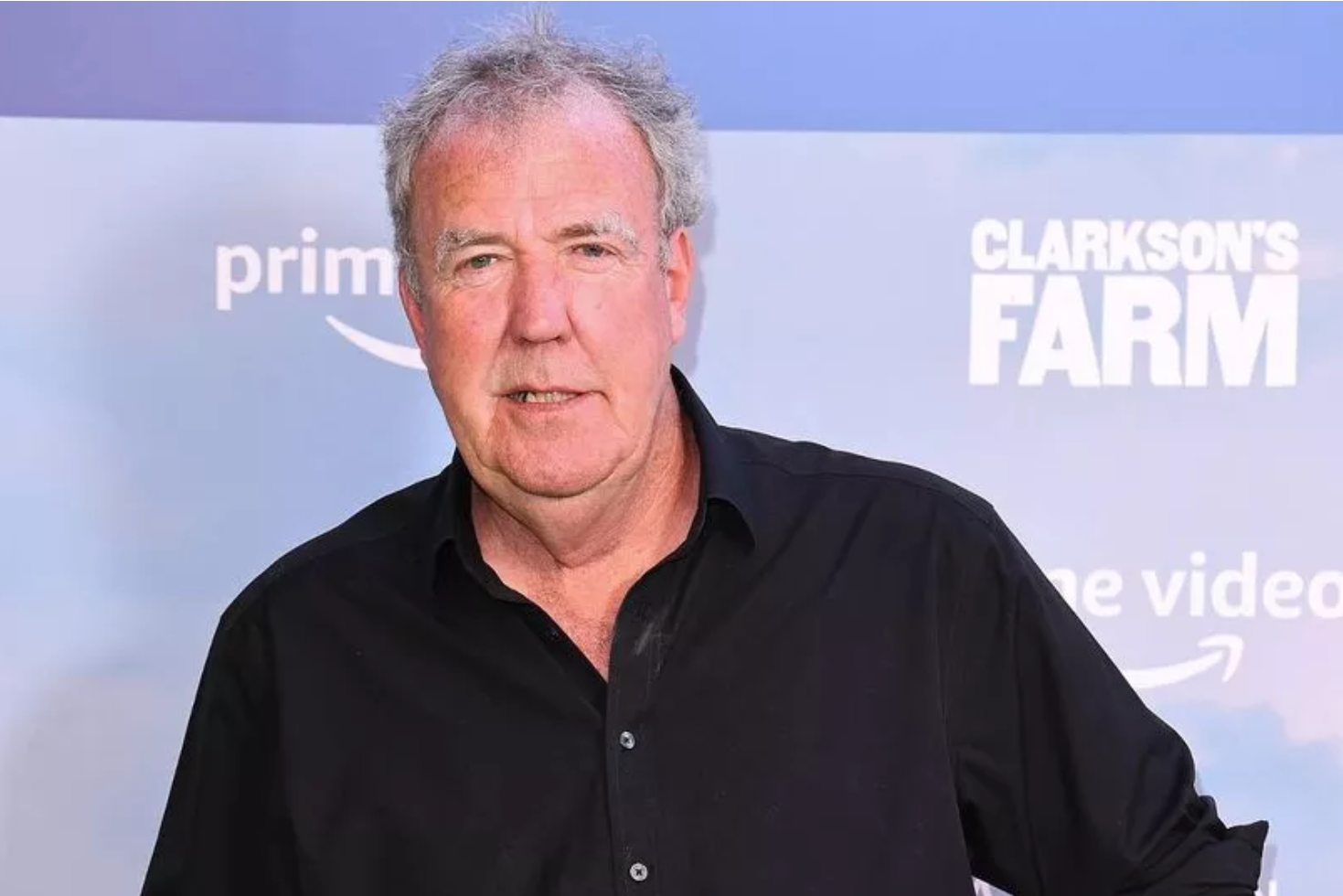
How Will Clarkson Navigate the Challenge?
Given Clarkson’s ability to adapt and innovate in the face of adversity, it’s unlikely that this financial setback will lead to Diddly Squat Farm’s closure. However, it does raise several questions about the future direction of the farm. Will Clarkson need to adjust his approach to farming, or will he find ways to offset the new tax impact with other revenue streams?
One possibility is that Clarkson may need to pivot towards more commercially viable farming practices in order to meet the new financial challenges. For example, Diddly Squat Farm has become a popular tourist destination, attracting visitors thanks to Clarkson’s humor and the farm’s role in the show. Could this aspect of the farm’s business model become even more important? Clarkson could double down on the farm’s role as a tourist attraction and continue to leverage his media platform to boost interest in the farm. The fact that Clarkson’s fame has played such a critical role in Diddly Squat’s success makes it likely that his ability to market the farm could help cushion the financial blow.
Another route Clarkson may take is to explore additional business ventures that tie into the farming world. With his extensive media connections, he might find ways to collaborate with other businesses or launch new projects that could generate revenue. For instance, Clarkson’s previous ventures in the food and beverage industry, including his successful launch of Hawkstone Beer, have proven that he has a knack for commercializing his interests. By diversifying his investments or monetizing his brand in new ways, Clarkson could mitigate the financial strain caused by the new tax law.
What Does This Mean for Clarkson’s Farm?
While Clarkson’s financial challenges are certainly a concern, they are likely to become a key storyline in the upcoming season of Clarkson’s Farm. The show has built its success on Clarkson’s comedic struggles as he learns the ins and outs of farming, and his financial situation could provide yet another layer of drama for the series. Viewers have become accustomed to Clarkson’s humorous take on farming mishaps and his attempts to balance the challenges of agriculture with the realities of running a business.
In fact, the financial blow caused by the new tax law could present the perfect opportunity for Clarkson’s Farm to evolve its narrative. As Clarkson faces the realities of modern farming and contends with government regulations, viewers will likely see a more serious side to his journey. This could lead to a more compelling storyline that touches on the economic pressures faced by real farmers, adding depth to the show’s comedic elements. Fans of Clarkson’s Farm may also appreciate seeing Clarkson address these challenges directly, as he’s been open about his personal struggles with farming and business on the show.
Additionally, the tax reforms may lead to new characters and dynamics on the show. If Clarkson decides to bring in experts or hire additional staff to help navigate the financial and regulatory challenges, it could create new relationships and storylines that enrich the farm’s narrative. Clarkson’s interactions with these new characters could provide fresh material for the show, as he learns to work with professionals who understand the complexities of farming in today’s economy.
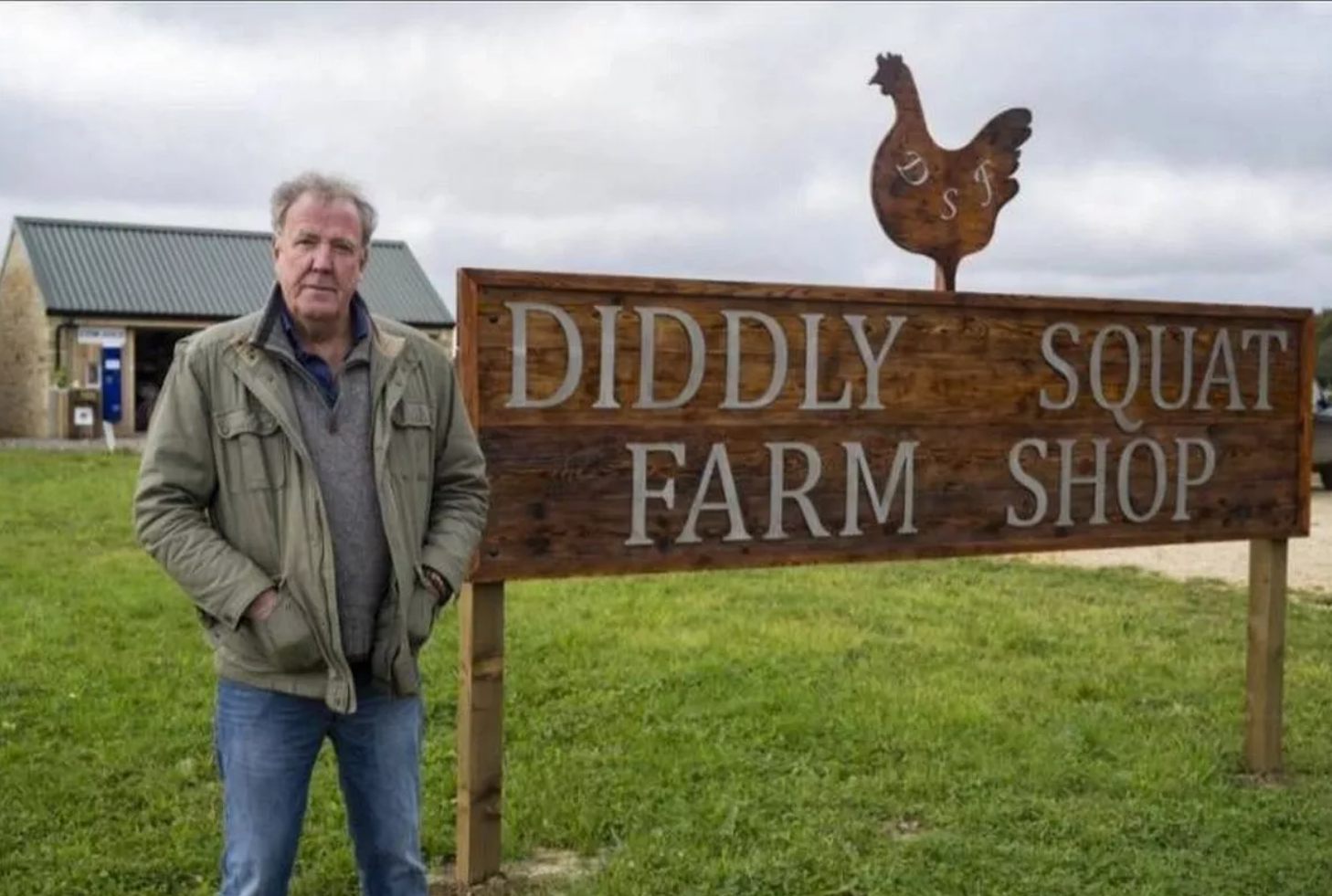
The Long-Term Impact: Will Diddly Squat Survive?
Looking ahead, the question remains: Will Diddly Squat Farm survive the financial challenges posed by the new tax regulations, or will Clarkson be forced to scale back or even close the farm? The answer depends largely on how Clarkson responds to these challenges. His reputation for resilience and creativity suggests that he will not go down without a fight.
Clarkson has already demonstrated his ability to thrive in the face of adversity—whether that means facing the difficult realities of farming or navigating the competitive world of media. However, the question of whether farming will remain his long-term passion or whether it will become a financial burden that he must eventually walk away from remains uncertain. With his financial acumen and resources, Clarkson could find ways to make Diddly Squat a sustainable venture, but the new tax laws add another layer of complexity to what is already a challenging business.
In conclusion, the new UK farmland tax rule is undoubtedly a significant financial blow for Jeremy Clarkson and Diddly Squat Farm. However, with his ability to innovate, adapt, and leverage his fame, Clarkson is well-equipped to navigate this challenge. Whether through diversifying income streams, enhancing the farm’s tourist appeal, or creating new business opportunities, Clarkson will likely find ways to keep Diddly Squat Farm afloat. The future of the farm may be uncertain, but one thing is for sure: Clarkson’s journey through the ups and downs of farming will continue to be an entertaining and, perhaps, more real portrayal of the agricultural industry.