Jeremy Clarkson Earned £144 From Farming, Then Faced a Question He Never Expected
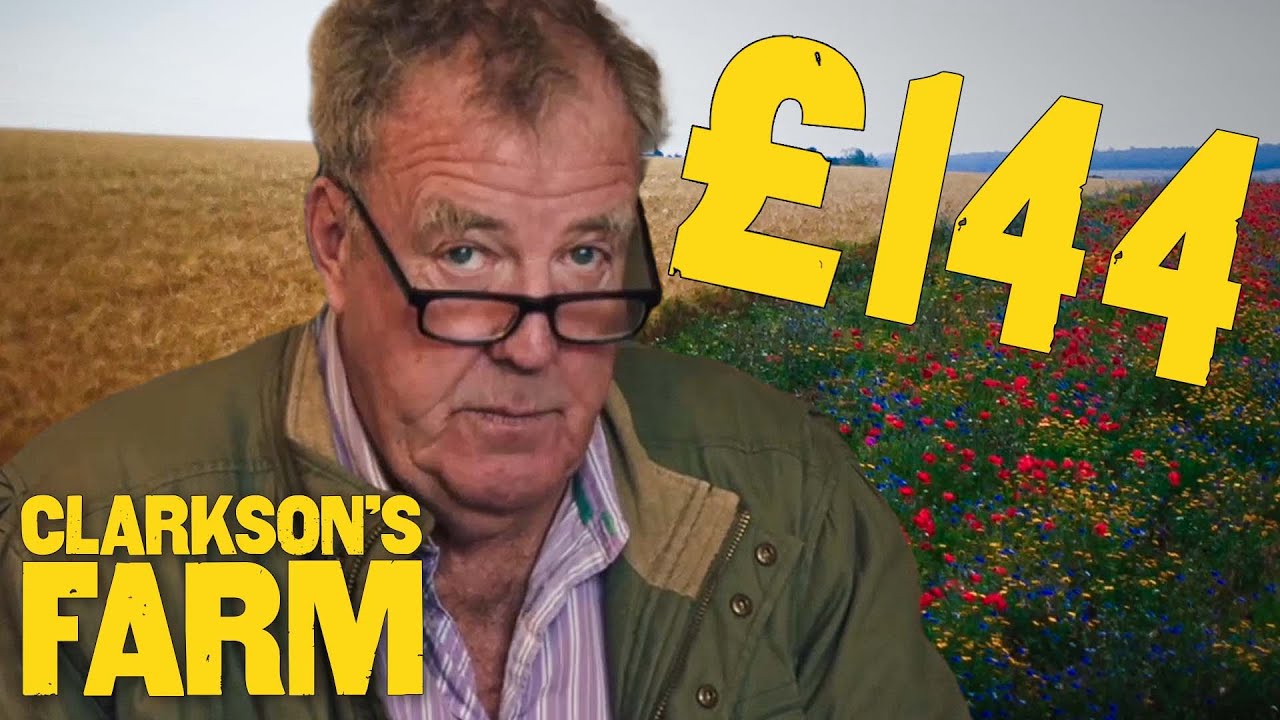
At the end of his first full year as a working farmer, Jeremy Clarkson reached a conclusion that stunned even him. After seven days a week of labour on a thousand-acre farm, his total profit amounted to just £144. Not per month. Not per season. For the entire year. It was a figure so small it bordered on the absurd, especially given the physical exhaustion, financial risk, and emotional investment required to reach it.
The number laid bare an uncomfortable truth about modern farming. Without government subsidies, Clarkson openly admitted, the operation would have been a loss. And when those subsidies inevitably decline, he asked a question many farmers quietly wrestle with: what happens next? For those without television contracts, media exposure, or alternative income streams, the answer is grim. Fewer farmers. Fewer family-run operations. A countryside reshaped not by choice, but by economic pressure.
Clarkson’s experience reflects a wider reality across rural Britain. Farming is no longer simply about growing food; it has become an endurance test against razor-thin margins, unpredictable weather, rising costs, and policy uncertainty. When farmers complain about rain, frost, or drought, Clarkson suggests they are not lamenting discomfort. They are reacting to threats that can erase an entire year’s income overnight.
And yet, for all the financial logic urging him to walk away, Clarkson found himself unable to do so.
By any conventional measure, the year made no sense. Selling the land, putting the money in the bank, and living off the interest would have been far more profitable. Even with grants and subsidies included, farming came out poorly. But logic alone did not tell the full story. What Clarkson gained could not be measured in pounds and pence.
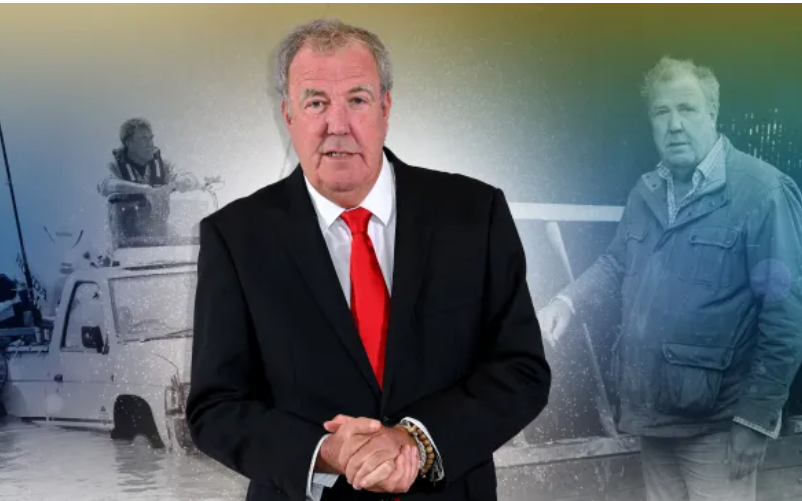
Over twelve months, he became things he never expected to be. A shepherd during lambing season. A tractor driver battling mud and machinery failures. A shopkeeper running a small rural business. A midwife helping bring new life into the world. A conservationist managing land for wildlife as well as crops. An engineer improvising repairs under pressure. Even a key worker, keeping food production moving during uncertain times.
All of it unfolded within the chaotic, often exasperating environment of Diddly Squat Farm — a place Clarkson came to describe as endlessly happy and endlessly dysfunctional. It was hard work, frequently frustrating, and financially irrational. But it was also deeply fulfilling.
As autumn arrived, bringing colour and calm to the fields, Clarkson found himself confronting a decision he had not anticipated. The farming year had ended. The show was over. He could return to London, resume his old life, and reclaim the comforts and routines he once took for granted. Friends, parties, familiar streets — all of it waited for him.
But the desire was gone.
In a quiet conversation at a harvest picnic, Clarkson admitted something he had not said before. During lambing season, standing in the fields on a clear day surrounded by new life, he realised he had never been happier at work. Not during decades in television. Not during success, awards, or acclaim. This, unexpectedly, was it.
London still had its appeal, he acknowledged. He loved the city. He had friends there. A life. But something fundamental had shifted. The countryside had changed him. The rhythm of the land, the sense of purpose, the visible results of hard labour — they offered something television never had.
The irony was not lost on him. Farming had given him almost nothing financially, yet had enriched his life in ways he struggled to articulate. The choice, he realised, was not between profit and loss, but between two versions of himself.
As the year closed, Clarkson thanked those who had helped him survive it — particularly the people who had shown patience while he learned, failed, and learned again. With the season behind him, there was no grand celebration. No triumphal ending. Just a decision quietly made.
He climbed back into his tractor to continue cultivating the land, even as invitations to London beckoned. The farm was no longer a project, or a challenge, or a television experiment. It had become home.
Clarkson’s journey exposes a paradox at the heart of modern agriculture. Farming may no longer make sense on paper, but for those who commit to it, it offers something increasingly rare: meaning. In a world driven by efficiency and profit, that may be its most valuable crop of all.