Jeremy Clarkson Set to Host 25,000 Farmers at Diddly Squat: What Cereals 2026 Could Mean for UK Agriculture
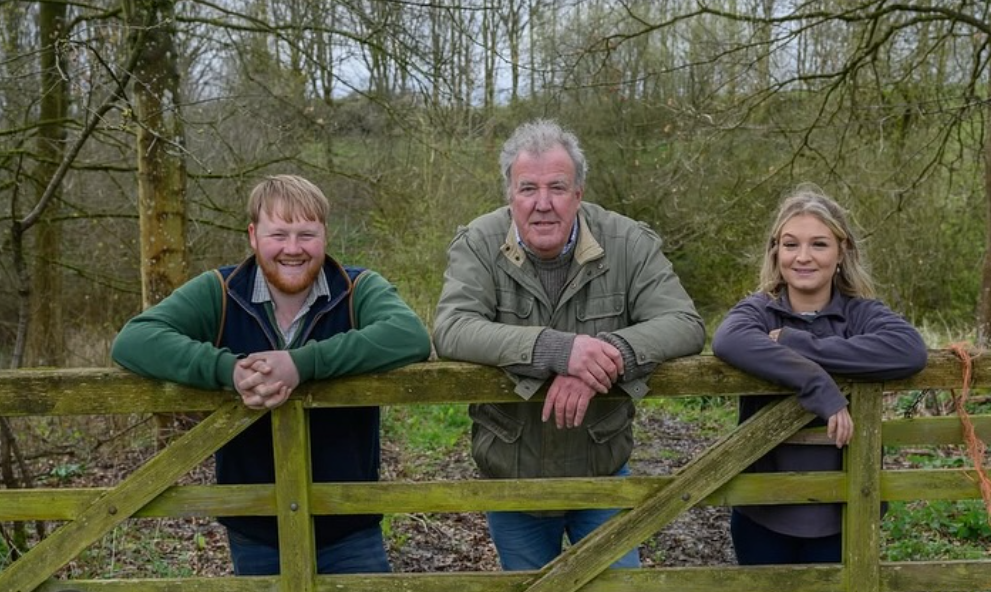
Jeremy Clarkson’s Diddly Squat Farm is preparing for its biggest transformation yet. By June 2026, the small Cotswolds property—made famous by Clarkson’s Farm—will turn into a fully-fledged agricultural convention centre as it hosts Cereals 2026, the UK’s largest arable farming exhibition. With expectations of 25,000 attendees and up to 500 exhibitors, the event marks a significant moment not only for Clarkson but also for the farming sector as it navigates a period filled with uncertainty and rapid change.
A Farm Turned National Stage
Since purchasing Diddly Squat several years ago, Clarkson has used his public platform to amplify the voices of UK farmers. What began as an experiment in farming soon evolved into a nationwide conversation about the realities of agricultural life. His involvement in the February 2025 protest in Westminster, where he stood alongside farmers advocating for fairer policies, cemented his role as an unexpected spokesperson for the industry.
Hosting Cereals 2026 represents the next logical step in his evolving role. The event will bring together professionals across the arable supply chain—seed producers, machinery manufacturers, agri-tech innovators, crop scientists, and policy advisors. With the show being strictly trade-only, fans of the television series won’t be able to attend, ensuring the focus stays on agricultural development rather than entertainment.
Why Diddly Squat Matters as a Venue
Moving Cereals to Diddly Squat carries symbolic and practical value. Traditionally held on large estates better suited to major exhibitions, the decision to relocate reflects a desire to connect the event more directly with the everyday experience of working farms.
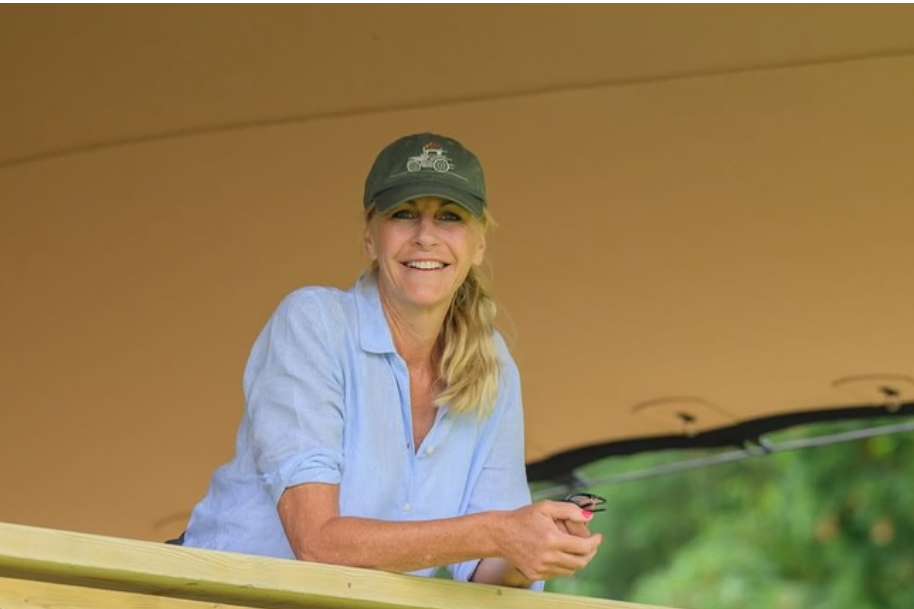
Charlie Ireland, well known to viewers as the land agent advising Clarkson on the series, outlined the importance of this shift. While Diddly Squat is a media phenomenon, he emphasizes that behind the cameras, it faces the same challenges all farms do—weather instability, shifting regulations, volatile markets, and rising operational costs. Hosting the event on such a familiar farm may bring a unique level of relatability and authenticity.
An Opportunity for the Sector to Reset
In many ways, Cereals 2026 arrives at a crucial time for UK farmers. With unpredictable weather patterns affecting yields, evolving trade relationships, and ongoing debates over environmental policies, the sector is more fragmented and stressed than ever.
Clarkson’s hope is that the event will shine a spotlight on these issues, helping both the public and policymakers better understand the realities of modern farming. He notes that Cereals 2026 provides a chance “to do something positive for the industry,” offering practical solutions and fresh ideas.
By drawing the nation’s attention—even indirectly—to farming challenges, the event may help influence upcoming policy discussions. Clarkson’s visibility and broad audience could amplify conversations typically confined to industry circles.
The Role of Younger Farmers
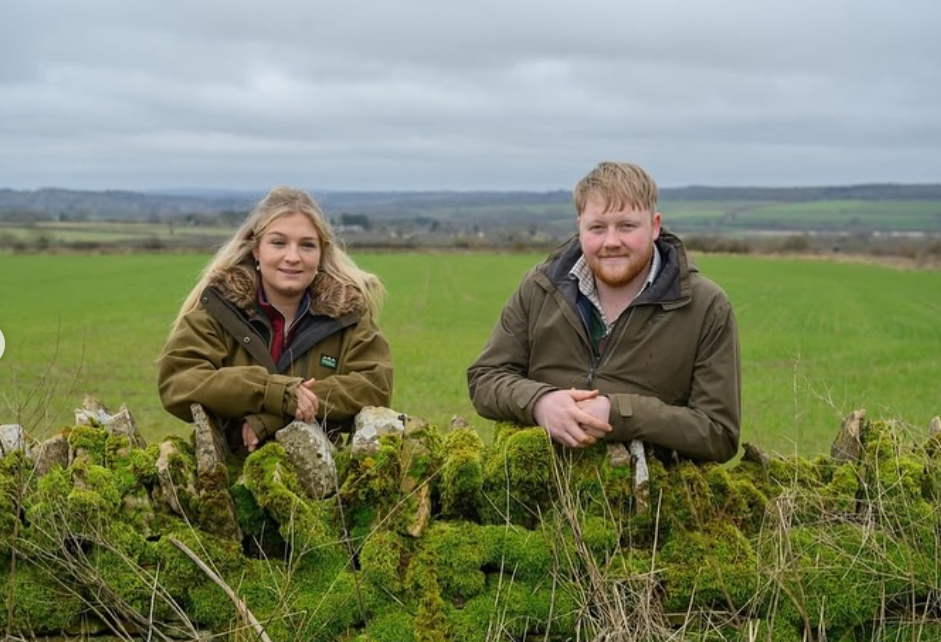
Kaleb Cooper, the vibrant young farmer who became a fan favourite on the show, sees the event as a chance to inspire the next generation. He often speaks about discovering farming early in life and the sense of purpose it gives him. With the industry struggling to attract young talent, Cereals 2026 could highlight career paths in farming that extend far beyond traditional roles—from drone operation and agronomy to sustainable planning and data-driven crop management.
If the event successfully fosters interest among younger attendees, it may help address the looming generational gap that threatens long-term agricultural stability in the UK.
Predictions: What Might Happen Next
Based on current trends and the scale of this event, several developments could unfold:
1. Greater Public Engagement with Farming Issues
Even though the event is restricted to trade professionals, the media attention surrounding Clarkson ensures that farming will once again enter mainstream discussion. This could pressure policymakers to respond to farmers’ concerns more visibly over the next year.
2. Increased Innovation Adoption
With 500 exhibitors showcasing cutting-edge technologies—from automation to climate-resilient crops—Cereals 2026 will likely accelerate adoption of digital farming tools. Farms across the UK may implement new systems to improve efficiency and sustainability.
3. Expansion of Diddly Squat-Related Agricultural Initiatives
Given the success of this event, Clarkson may expand Diddly Squat’s role in agricultural education. We could see future workshops, smaller exhibitions, or partnerships with agricultural colleges.
4. Stronger Farmer Networks and Partnerships
Bringing together professionals from across the country may lead to collaborative projects aimed at boosting domestic food production or improving supply chain resilience.
5. Potential for Cereals to Rotate to Other “Real Working Farms”
If hosting on a farm proves successful, future versions of the event might follow the same model, choosing more relatable venues instead of traditional exhibition sites.
Looking Ahead
Cereals 2026 at Diddly Squat Farm is shaping up to be more than just an agricultural showcase. It symbolizes a turning point where entertainment, public influence, and agricultural advocacy intersect in a way the UK has rarely seen. As farmers prepare to gather next June, the event may help define the next chapter of British farming—one that blends tradition with innovation, local identity with national attention, and daily challenges with long-term solutions.