Kaleb Cooper was very disappointed with Clarkson’s mistakes during the pre-season.
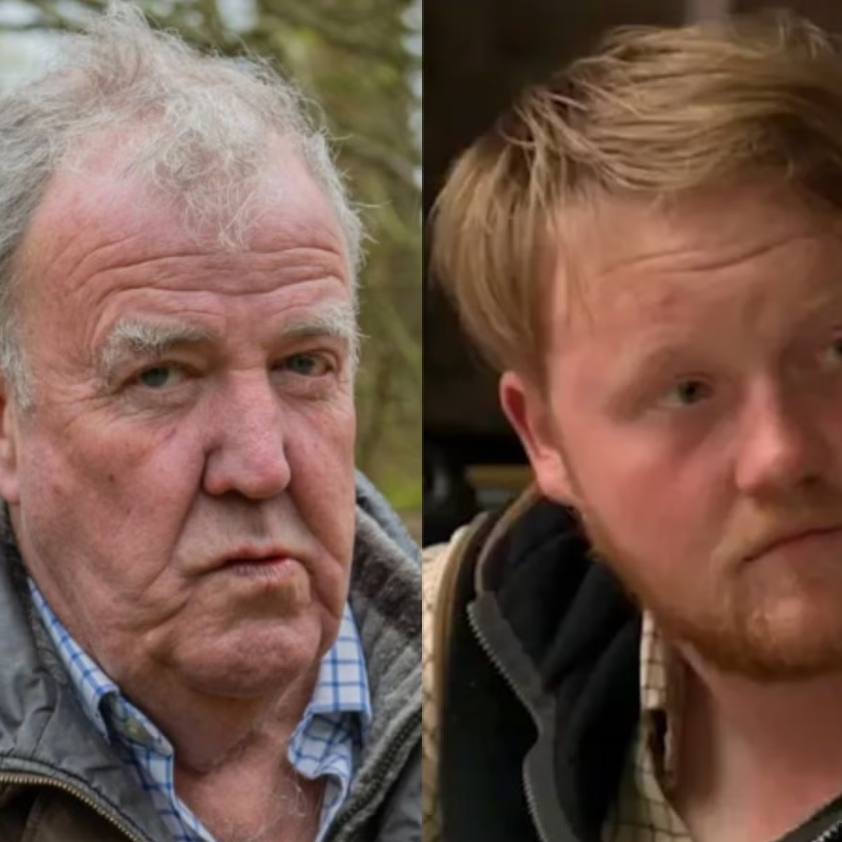
One of the strongest reasons Clarkson’s Farm works so well is the tension between Jeremy Clarkson’s enthusiasm and Kaleb Cooper’s practical knowledge. Clarkson brings ideas, money, confidence and impatience. Kaleb brings experience, discipline and a deep understanding of how quickly one mistake can create months of consequences. That contrast becomes especially important during the pre-season, when decisions made before the main farming year begins can decide whether the farm succeeds or struggles.
The idea that Kaleb Cooper was deeply disappointed with Clarkson’s pre-season mistakes fits perfectly into the rhythm of the series. On Clarkson’s Farm, mistakes are rarely small. A wrong tractor movement, a poor field decision, a delayed job or a misunderstood instruction can affect planting, spraying, soil condition, livestock routines and financial planning. For Clarkson, a mistake may seem like another comic setback. For Kaleb, it is lost time, wasted money and extra work.
From an analyst’s perspective, pre-season is one of the most important periods on Diddly Squat Farm. It is the planning stage before the pressure truly begins. Fields must be prepared, machinery checked, crop choices reviewed, livestock systems organized and staff responsibilities made clear. If Clarkson makes errors during this period, Kaleb’s disappointment is not just personal irritation. It signals a deeper concern that the entire year could begin on unstable ground.
Kaleb’s frustration usually comes from one central issue: Clarkson underestimates the chain reaction of farming. In television, a mistake can often be edited, repeated or turned into entertainment. On a farm, nature does not offer a reset button. If a field is drilled incorrectly, the consequences remain visible for months. If a job is delayed until the weather changes, the opportunity may be gone. If machinery is mishandled, repair bills rise and the working schedule collapses.
That is why Kaleb’s disappointment carries weight. He is not simply correcting Clarkson for the sake of being right. He understands that timing is everything. Farmers work around narrow windows of weather, soil condition and seasonal demand. A pre-season mistake can become a spring problem, then a summer problem, then a harvest problem. By the time Clarkson fully understands the impact, Kaleb may already have spent weeks trying to fix it.
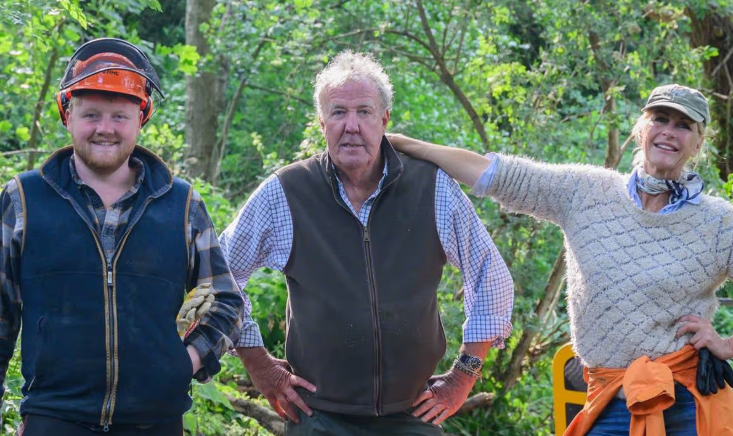
This dynamic also reveals how far their relationship has developed. In earlier seasons, Kaleb often treated Clarkson as a complete beginner who needed constant supervision. As the series has progressed, Clarkson has learned more, but he has also expanded his ambitions. Diddly Squat is no longer only a farm. It is connected to a farm shop, products, public attention, a pub, events and a growing media brand. That creates new distractions. Kaleb may feel that Clarkson now knows enough to avoid basic mistakes, which makes each error more frustrating.
The pre-season mistakes could also expose a larger conflict about control. Clarkson likes to experiment. He is drawn to new schemes, alternative income streams and bold ideas. Kaleb’s instincts are more grounded in traditional farm priorities: get the fieldwork right, protect the livestock, keep machinery working and do not let vanity projects interfere with essential jobs. If Clarkson’s mistakes come from distraction or overconfidence, Kaleb’s disappointment may become a major storyline.
Viewers can expect this tension to play out through several possible developments.
First, Kaleb may become more assertive. If he believes Clarkson’s errors are putting the season at risk, he may take a stronger role in planning and decision-making. That could create moments of conflict, but it would also reflect the practical reality of the farm. Kaleb may no longer be willing to simply laugh off mistakes if they threaten the year’s performance.
Second, Clarkson may be forced to accept more structure. One of the recurring lessons of Clarkson’s Farm is that enthusiasm must eventually give way to systems. If the pre-season begins badly, Charlie Ireland or Kaleb may push for clearer schedules, tighter budgets and fewer last-minute changes. Clarkson may resist at first, but the numbers will likely make the argument for them.
Third, the mistakes could affect the farm’s finances. The series has repeatedly shown that farming margins are thin. Extra fuel, rework, repairs, lost yield or delayed planting can quickly reduce profit. If Kaleb’s disappointment is tied to financial consequences, the storyline could move beyond comedy and into a more serious look at how fragile farm economics can be.
Fourth, the livestock side may become more important. Kaleb’s knowledge is not limited to crop work; he understands the everyday discipline required to keep a farm functioning. If Clarkson’s pre-season mistakes involve animals, fencing, feed, housing or timing, the emotional pressure will be higher. Livestock mistakes are harder to treat as comic errors because animal welfare and farmer responsibility are involved.
The most likely prediction is that the new season will use Kaleb’s disappointment as an early warning sign. It will begin with humour — Clarkson getting something wrong, Kaleb reacting with disbelief, and the familiar exchange that fans enjoy. But beneath that humour, the show may build a more serious arc: Diddly Squat has become too complex for Clarkson to operate through instinct alone.
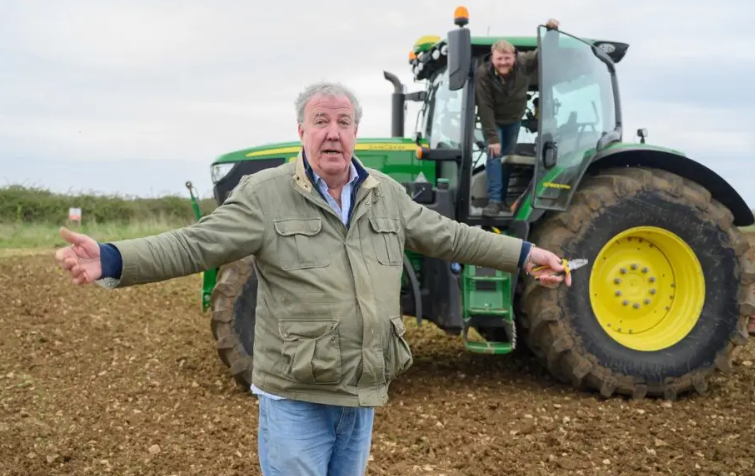
That could push Clarkson into a more mature role. He may still be impulsive, sarcastic and stubborn, but the farm now demands long-term discipline. His mistakes during pre-season may force him to recognize that the operation has outgrown casual experimentation. The more successful Diddly Squat becomes as a brand, the more dangerous each farming error becomes.
Kaleb’s disappointment may also strengthen his position as the moral centre of the show. He represents the working farmer’s perspective: practical, impatient with nonsense and deeply aware of consequences. Viewers trust his reactions because they come from lived experience. When Kaleb says something is wrong, the audience understands that it is probably wrong.
For Clarkson’s Farm, this is valuable storytelling. The series does not need artificial conflict. The conflict is already built into the work. Weather, machinery, money, animals, crops, planning rules and human error create enough pressure. Clarkson’s pre-season mistakes and Kaleb’s disappointment simply bring that pressure to the surface.
In the end, this storyline could become more than another episode of Clarkson being corrected. It may show the next stage in Diddly Squat’s evolution. Clarkson is no longer just learning how to farm. He is learning that a farm cannot survive on personality, publicity or good intentions. It needs timing, discipline and respect for experience.
And that is why Kaleb’s disappointment matters. It is not only about one mistake. It is about whether Clarkson has truly learned the hardest lesson of farming: the season can be won or lost before it has even begun.