New Progress on Clarkson’s Farm Sparks Fresh Buzz as Filming for the Next Season Concludes
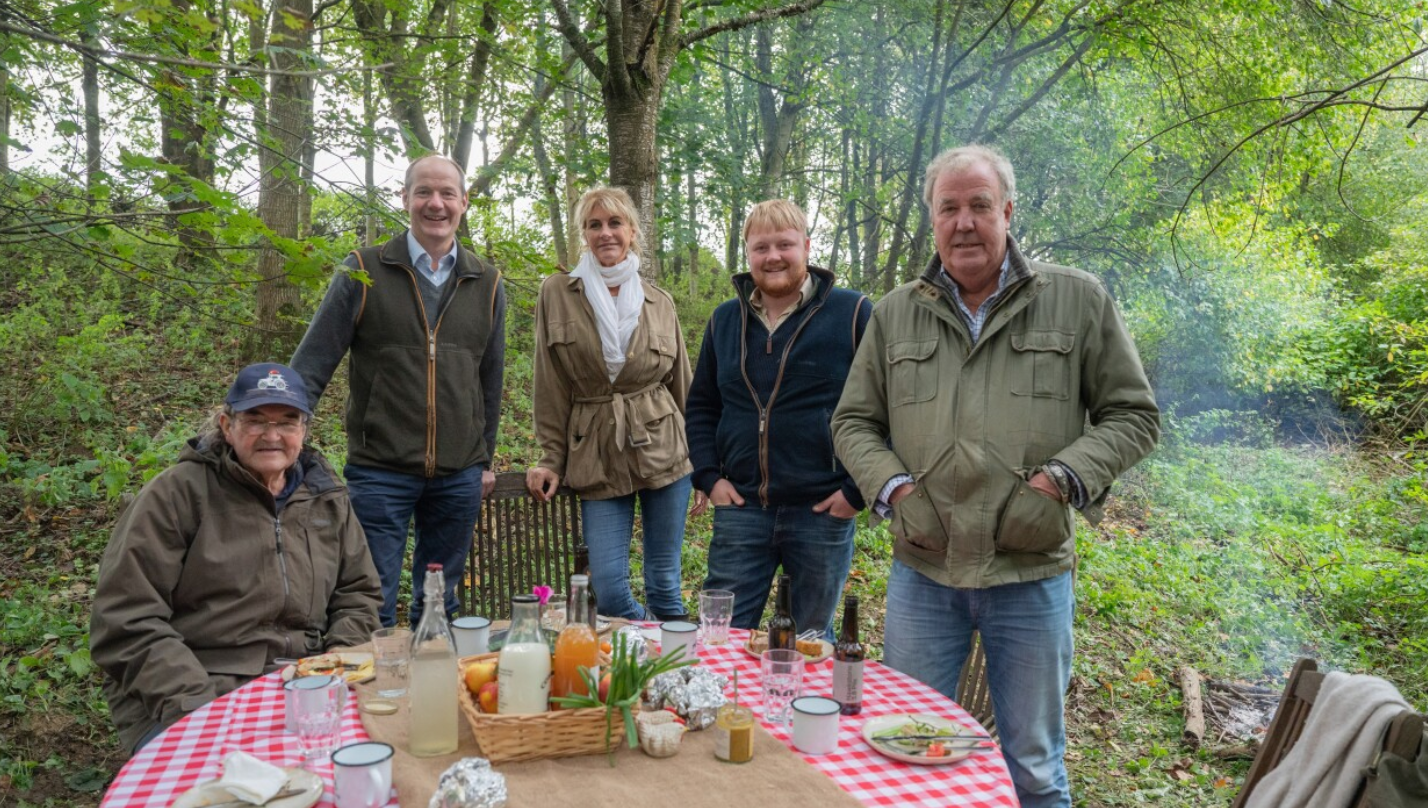
It has been a turbulent year for Jeremy Clarkson, yet the momentum behind Clarkson’s Farm shows no sign of slowing. Despite health scares, agricultural disasters and regulatory pressures, cameras have officially stopped rolling on the next season of the hit Netflix series. And if audience reactions are any indication, enthusiasm for life at Diddly Squat Farm is stronger than ever.
Clarkson announced the completion of filming with characteristic brevity, posting a simple message to Instagram: “Season 5. It’s a wrap.” The photo accompanying the update captured the familiar core of the Diddly Squat cast seated around a smouldering campfire — partner Lisa Hogan, farmer Kaleb Cooper, advisor Charlie Ireland and farmhand Gerald Cooper. It was a fittingly rustic snapshot of a team that has weathered storms far beyond the cameras.
Fans responded with the kind of fervour usually reserved for major television events. Messages poured in within minutes, praising the cast, begging for longer seasons and celebrating the show’s humour, realism and cinematography. For many viewers, Clarkson’s Farm has become more than entertainment. It is an unexpectedly honest window into an industry often overlooked and frequently misunderstood.
A Growing Demand: “One Season a Year Isn’t Enough”
One of the loudest demands from viewers is a plea for year-round filming. Several commenters urged Clarkson to produce multiple seasons annually — spring/summer editions, winter/spring specials, and “as much as you can physically manage.” While partly tongue-in-cheek, the sentiment reflects the unusual popularity of the series: audiences are genuinely invested in the rhythms of one man’s farm.
Another fan joked that filming should continue “until there’s a perfect farming year — no floods, no droughts, no TB, no bureaucracy.” The retort came swiftly: “That will never happen.” And indeed, that may be why the programme works. Like Gold Rush in North America, Clarkson’s Farm succeeds not because everything goes right but because everything goes wrong — and the team pushes through anyway.
The unpredictability of the agricultural calendar is the drama. Viewers don’t merely watch; they anticipate. They speculate. They root for outcomes as if cheering for their favourite sports team.
2025: Another Year of Crisis at Diddly Squat
True to the show’s spirit, the year 2025 delivered its own trials. Clarkson confirmed a bovine TB outbreak that forced the farm into a two-month lockdown. The timing — peak summer — amplified the disruption. Livestock movements halted, income plummeted and agricultural plans fell into disarray.
To compound matters, Clarkson reported a “catastrophic harvest,” conceding that television revenue, rather than farm output, was keeping the business afloat. That reality underscores a central theme of the series: farming, even with celebrity status and streaming-platform backing, is precarious.
This duality — hardship behind the scenes, humour on screen — mirrors the tension often seen in shows like Gold Rush, where enormous effort yields uncertain profits. Clarkson, like Parker Schnabel or Rick Ness, is forced to balance optimism with practicality, resilience with exhaustion.
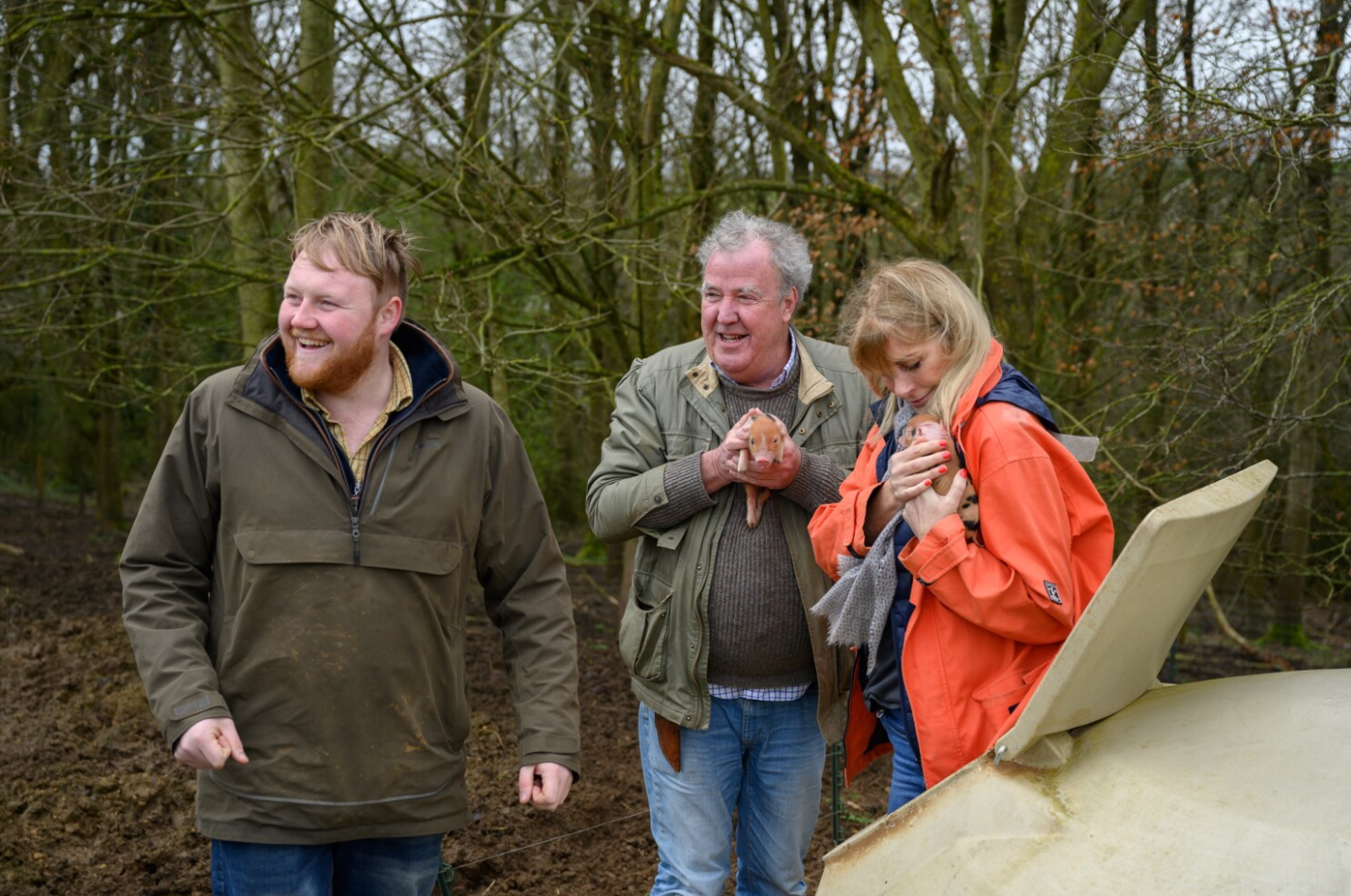
Clarkson’s Health: A Variable That May Shape Future Seasons
The former Top Gear presenter also revealed he has been under closer medical guidance since undergoing emergency heart surgery in late 2024. His candid admission — “I’m doing everything I can not to die” — set off waves of concern.
From a production standpoint, Clarkson’s health now stands as a major variable for future seasons. While he remains energetic on camera, the physicality of farming — long hours, machinery, extreme weather — cannot be ignored. Producers may decide to adjust filming schedules, reduce high-risk scenes, or shift more on-screen responsibility toward Kaleb, Charlie or even new cast additions.
It is particularly likely that upcoming seasons will subtly rewrite the team dynamic, allowing the supporting cast to take on a greater narrative load. Jeremy may evolve into more of a strategic presence — still central, but less physically involved — similar to what we have seen in later seasons of other long-running reality programmes where ageing hosts adapt their roles.
The “Clarkson Effect” and Why It Matters for the Future
Despite the hardships, Clarkson’s impact on British farming has been surprisingly positive. The so-called “Clarkson Effect” — increased applications to agricultural courses, boosted sales of British produce and elevated public awareness of farming challenges — is now being cited by institutions across the UK.
This cultural shift may influence how the next seasons are shaped. With greater public interest, the show could increasingly emphasise:
-
environmental management
-
rural economics
-
sustainable agriculture
-
generational change within farming
-
and the political pressures affecting landowners
Netflix has historically expanded shows that develop real-world impact. The success of Drive to Survive reshaped Formula 1. Clarkson’s Farm may be the streaming giant’s unexpected entry into reshaping public understanding of agriculture.
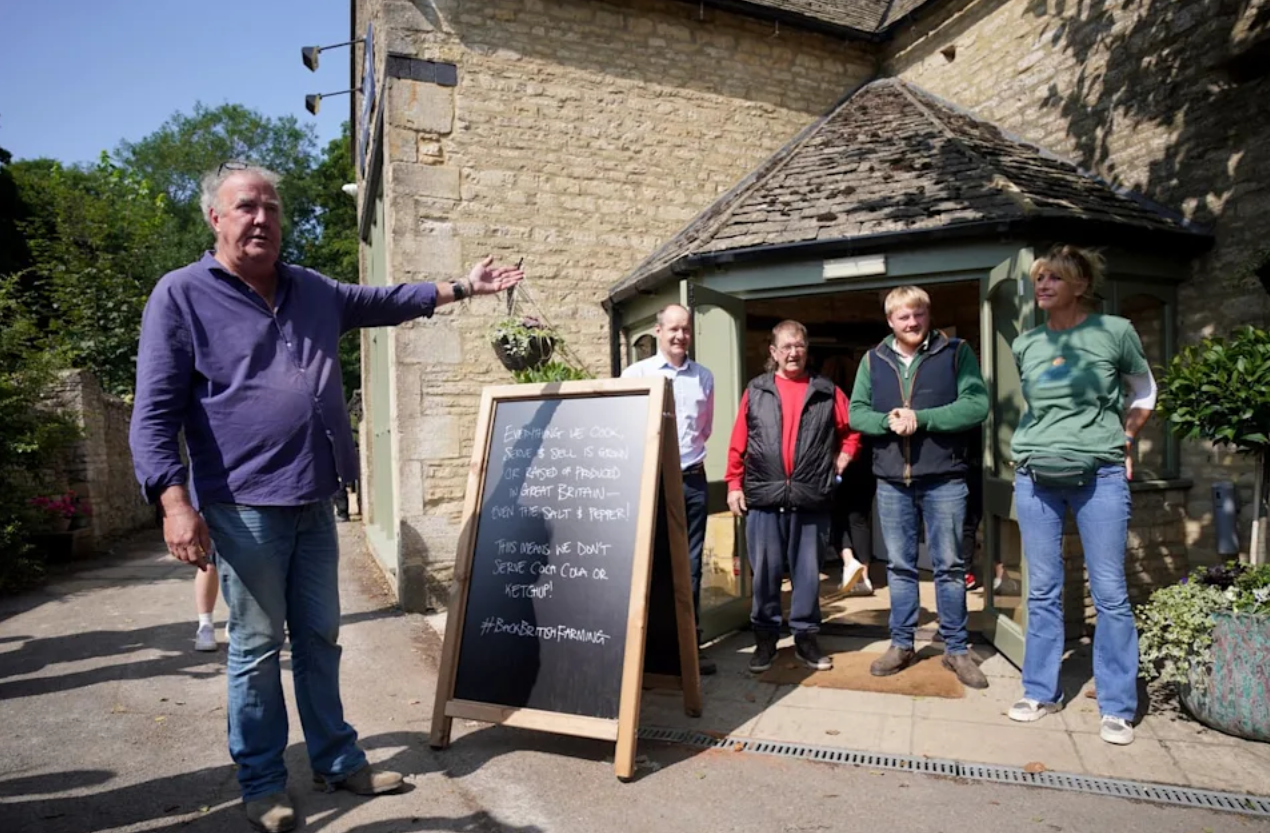
Predictions: What Season 6 and Beyond Could Look Like
Based on current trajectories, several developments appear likely:
1. A Heavier Focus on Risk and Recovery
Given the TB outbreak and failed harvest, next season may revolve around rebuilding — reseeding fields, restocking cattle and navigating tightened margins.
2. More Screen Time for Kaleb, Charlie and Lisa
The team dynamic is shifting. Future episodes may highlight Kaleb’s increasing authority, Charlie’s strategic decisions, and Lisa’s role in business management.
3. A Push Toward Diversification
To offset losses, Diddly Squat may expand retail operations, launch new products or open more farm-tour experiences — mirroring the entrepreneurial expansions seen on Gold Rush.
4. Regulatory Drama
The tension between Clarkson and West Oxfordshire District Council has become a recurring storyline. It is almost certain to reappear.
5. A Season Framed Around Clarkson’s Health
Not explicitly, but subtly — with more reflection, more delegation and more commentary on the pressures of farming at 65.
Conclusion
Clarkson’s Farm Season 5 may have wrapped, but the story of Diddly Squat Farm is far from finished. Between health scares, regulatory battles, harvest failures and a fanbase hungry for more, the series stands on the brink of its most consequential chapter yet. In the unpredictable world of farming — like gold mining — survival is never guaranteed. But the cameras, and the viewers, will be watching.