Rachel Reeves may change her mind about inheritance taxes under immense pressure from Jeremy Clarkson.
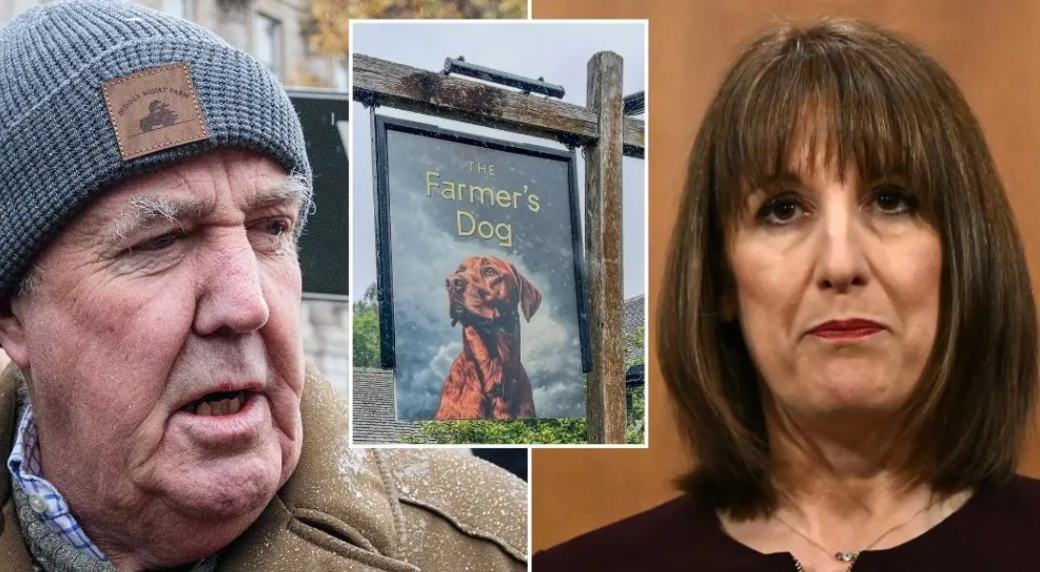
The British agricultural sector is once again at the center of political attention, as ministers reportedly examine substantial changes to the controversial agricultural inheritance tax. Discussions are said to focus on raising the threshold from £1 million to £5 million, potentially shielding smaller farms from the levy that has sparked intense debate since its introduction in last year’s Budget. The proposals, drawn up by the Department for Environment, Food and Rural Affairs, are expected to be presented to the Treasury ahead of the Chancellor’s Budget on November 26, signaling a possible shift in government policy in response to mounting pressure from the farming community.
The inheritance tax reforms, unveiled by Chancellor Rachel Reeves in October 2024, introduced a 20 per cent levy on agricultural estates exceeding £1 million, a move that was set to take effect from April 2026. Previously, such holdings had been exempt, meaning that many family-owned farms now face significant financial burdens. Critics have argued that the measure—branded by some as the “family farm tax”—could force generations of farmers to sell land or even cease operations altogether, threatening the sustainability of Britain’s agricultural sector.
Public opposition to the tax has been vocal and widespread. Demonstrations saw approximately 13,000 agriculturalists descend on Westminster, voicing their anger and frustration over the proposed reforms. Among the most high-profile opponents has been Jeremy Clarkson, the former Top Gear presenter and owner of a 1,000-acre farm in Oxfordshire, who became a prominent figure in the movement against the reforms. Placards branding the Prime Minister as “the farmer harmer” captured the depth of sentiment across rural Britain, highlighting the political and emotional stakes involved for farming communities.
The proposed adjustments under discussion in Whitehall would significantly alter the landscape for agricultural estates. Raising the threshold to £5 million would exempt smaller holdings from the tax, but the 50 per cent relief for estates above the new limit would be removed. This would result in larger agricultural enterprises potentially facing a full 40 per cent inheritance tax on assets exceeding the threshold. Senior farming figures warn that such measures could prompt owners to divide their businesses or sell land to mitigate the financial impact, creating broader implications for food production and rural economies.
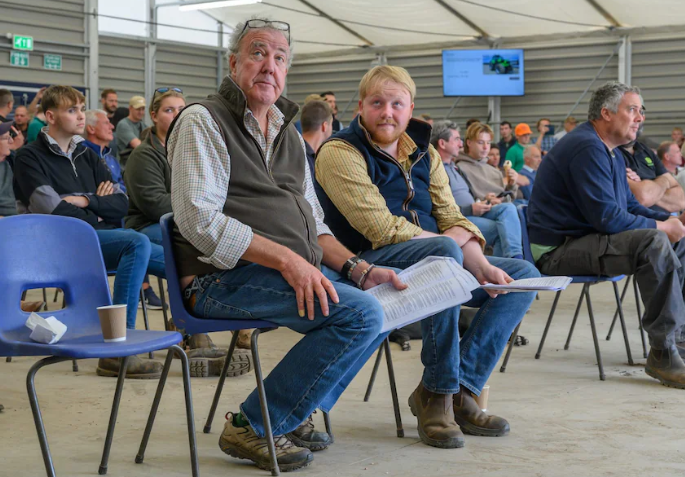
The Treasury maintains that the measure is designed to affect only around 2,000 of the wealthiest agricultural estates, projecting that it could raise £2 billion annually. However, the farming community remains deeply skeptical. Many landowners feel that trust between the government and the sector has been “irreparably damaged” after months of back-and-forth over the policy, particularly given the scale of protests and lobbying efforts that have characterized the past year. While discussions so far appear to center primarily on threshold adjustments, the uncertainty has left farm owners and investors weighing the potential risks for their long-term operations.
The broader context of these reforms is significant. British agriculture faces numerous ongoing pressures, from rising input costs to labor shortages and fluctuating commodity prices. In this environment, the inheritance tax has been framed by critics as an additional burden that could disproportionately affect family-run farms. The debate is not solely about taxation; it is about the survival of generational agricultural businesses, the stability of local communities, and the continuity of food production across the country. Analysts suggest that any adjustment to the threshold could be welcomed by smaller operators, but larger estates will continue to face complex financial planning challenges.
Political dynamics also play a role in the controversy. Jeremy Clarkson’s involvement has drawn widespread media attention, illustrating the influence of celebrity advocacy in public policy debates. His public opposition, coupled with the visible participation of farmers in mass protests, has placed additional pressure on ministers to consider reforms carefully. While the Treasury has declined to comment directly, calling much of the reporting “speculation,” it is clear that the government is aware of the political and social ramifications of any policy shift.
From a policy perspective, raising the threshold to £5 million may help alleviate some of the immediate pressures on smaller farms while signaling a willingness to respond to public concern. Yet questions remain about the removal of partial relief for larger estates. Analysts predict that without careful implementation, these estates could face complex financial decisions, including restructuring or partial divestment, which could have knock-on effects for rural employment, local economies, and agricultural output. Farmers and advisors alike are watching the next round of proposals with keen interest, understanding that the outcome could define generational farm ownership for decades.
The situation underscores the delicate balance policymakers must strike between revenue generation and the sustainability of critical sectors. Agriculture is not only an economic driver but a cornerstone of rural communities, with family farms forming the backbone of regional culture and heritage. In this light, the inheritance tax debate transcends fiscal policy, becoming a symbol of the tension between government oversight and the autonomy of the agricultural sector.
As the Chancellor’s Budget approaches, all eyes are on the Treasury and the Department for Environment, Food and Rural Affairs. The proposals being developed will be scrutinized for their impact on both small and large holdings, and the sector’s response is likely to influence the political narrative leading into 2026. While adjustments to thresholds may offer some relief, the fundamental questions about fairness, sustainability, and the future of family farms remain unresolved. For many, this debate is about more than money; it is about the preservation of a way of life that has endured for generations.
In conclusion, the potential revisions to the agricultural inheritance tax represent a critical juncture for British farming. With small estates potentially exempted and large holdings facing a more concentrated levy, landowners must navigate a complex and uncertain landscape. The pressure from farming communities, high-profile advocates like Jeremy Clarkson, and ongoing media scrutiny underscore the stakes involved. As ministers finalize proposals for presentation in the November Budget, the outcome will shape the future of generational farms, food production, and the rural economy for years to come .