The “Tractor Tax” Crisis: Could New Inheritance Laws Force Jeremy Clarkson to Sell Diddly Squat?
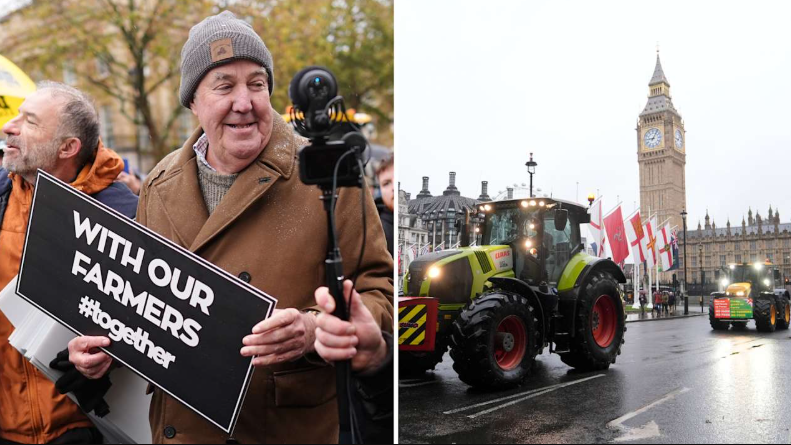
As the gates of Diddly Squat Farm swing open for the spring season, a sense of dread is overshadowing the usual excitement of the May 23rd premiere of Clarkson’s Farm Season 5. While fans are eager to see the latest tractor mishaps and harvest hurdles, a much grimmer reality has arrived in the British countryside. As of April 2026, the UK government’s sweeping changes to Inheritance Tax (IHT)—colloquially dubbed the “Tractor Tax”—have officially come into effect, and for Jeremy Clarkson, the consequences could be terminal for his 1,000-acre estate.
The End of Agricultural Immunity
For decades, the farming community was protected by Agricultural Property Relief (APR), a policy that allowed working farms to be passed down through generations without being decimated by a 40% inheritance tax. The logic was simple: farming is a low-income, asset-rich industry, and forcing families to pay millions upon a death would necessitate selling the land, thus destroying food security.
However, the new 2026 policy has capped these reliefs significantly. For a high-profile estate like Diddly Squat, which has seen its land value skyrocket due to the “Clarkson Effect” and recent infrastructure improvements like The Farmer’s Dog pub, the tax bill looming in the future is estimated to be in the millions.
“It is a targeted attack on the countryside,” Clarkson wrote in a scathing editorial earlier this month. “The government looks at a farm and sees a bank account. I look at this farm and see a legacy that is now being taxed into extinction.”
A Survival Choice: Sell to Survive?
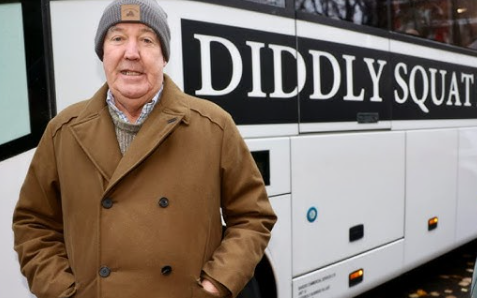
The “shock” of the Tractor Tax isn’t just a future problem; it is affecting Jeremy’s immediate financial strategy. At 66, and currently managing a reoccurring heart condition, Jeremy has been forced to consult with “Cheerful” Charlie Ireland to map out a survival plan. The conclusion is sobering: to cover the projected tax liabilities and keep the core operations running, Clarkson may be forced to sell off significant parcels of land.
Selling even 100 acres would not only reduce the farm’s productivity but could also impact the filming of the show. The narrative of Clarkson’s Farm has always been about the struggle to make a profit from the land; now, the struggle is simply to keep the land itself.
The Impact on the Diddly Squat Team
The news has sent ripples of anxiety through the crew. Kaleb Cooper, who is preparing for his wedding and has aspirations of owning his own land one day, sees the tax as a “door slamming shut” on the next generation of farmers. Harriet Cowan, whose role has expanded this season, has noted that the incentive to invest in long-term soil health or expensive machinery vanishes when the government plans to take a 40% cut of the estate’s value.
Conclusion: A Season of Defiance
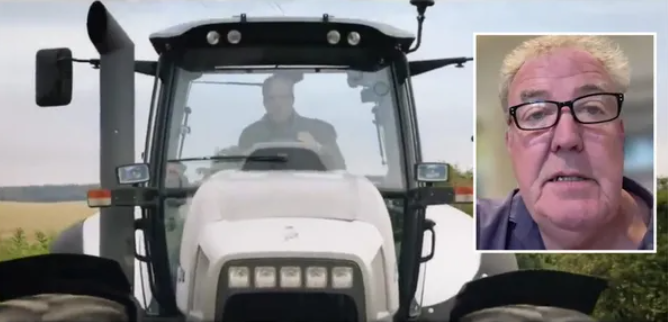
When Season 5 premieres on May 23rd, viewers will see a Jeremy Clarkson who is no longer just fighting the local council over a car park—he is fighting for the very existence of his farm against the Treasury.
The “Tractor Tax” represents a fundamental shift in the British landscape. For Jeremy, the farm was supposed to be a retirement legacy for his children and a home for his partner, Lisa Hogan. Now, Diddly Squat stands as a symbol of a wider national crisis. Whether Jeremy can innovate his way out of this financial trap through his pub and shop remain to be seen, but one thing is certain: the battle of 2026 is no longer about “Power and Speed”—it is about survival.