When Reality TV Exposes the Truth: How ‘Clarkson’s Farm’ Season 5 Stripped Bare the Fatal Flaws of Government Agricultural Policy
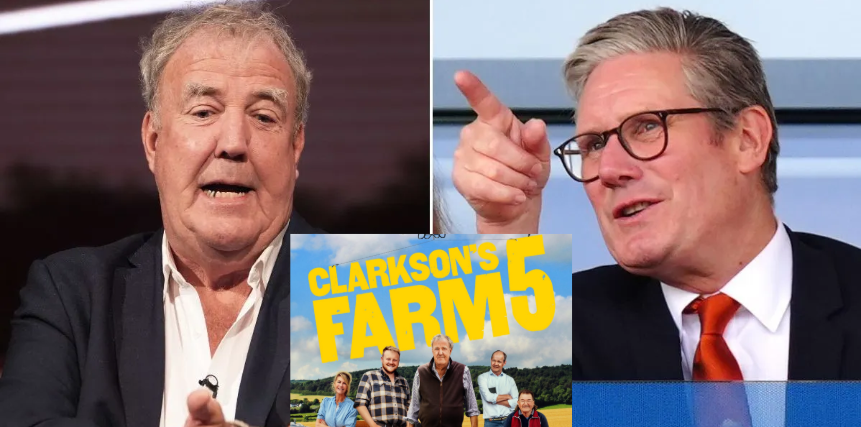
When Clarkson’s Farm first arrived on screens, critics dismissed it as a wealthy broadcaster’s vanity project. However, following the global premiere of Season 5 on Wednesday, June 3, 2026, the show has officially transcended reality television to become the most politically volatile documentary in modern British history. By pulling back the curtain on the daily operations of Diddly Squat, Jeremy Clarkson has done what political journalists have failed to do for years: he has exposed the “fatal flaws” of Downing Street’s agricultural policy.
As millions of viewers watch the new episodes, the series has struck a raw nerve in Westminster, igniting a furious national debate over how the government treats the people who feed the nation.
The Fatal Flaw: The Devastating Impact of the “Tractor Tax”
The absolute centerpiece of the political warfare in Season 5 is the administration’s highly controversial 2026 “Tractor Tax”—an aggressive inheritance tax overhaul targeting agricultural land that was previously exempt. Prime Minister Keir Starmer has stubbornly defended the reform as a “necessary fiscal correction” to fund urban public services.
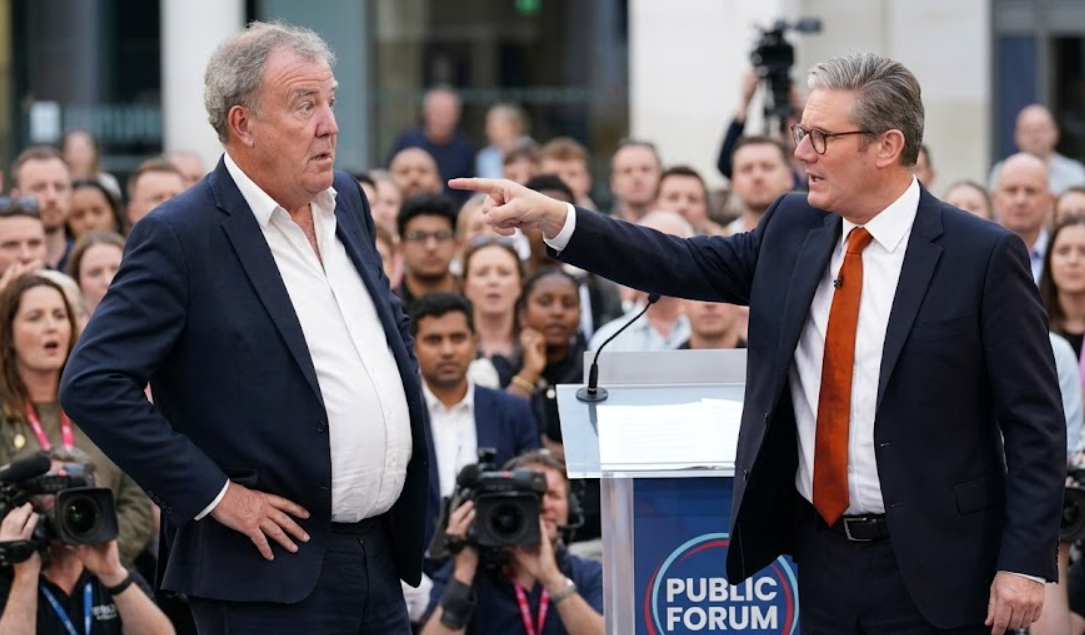
However, Clarkson’s Farm lays bare the catastrophic, real-world math that politicians completely ignore. For multi-generational family farms operating on razor-thin margins, being hit with a massive tax bill upon the death of a parent does not mean cutting back on luxury; it means the absolute death of the business. The show perfectly illustrates that while farmers sit on assets worth millions on paper (the land), their actual liquid cash flow is often lower than minimum wage. By taxing the asset, the government forces families to sell off pieces of their land to foreign developers, permanently fracturing the UK’s food security.
Bureaucracy vs. Survival: A Crippled Farm Infrastructure
Beyond the tax laws, Season 5 exposes the agonizing, suffocating weight of red tape. The government’s agricultural policy has shifted heavily toward environmental subsidies, rewarding farmers for not farming—leaving fields fallow or planting wildflowers instead of growing food.
The show reveals the tragic irony of this system: independent farmers are drowning in paperwork, dictated to by urban civil servants who have never set foot in a field. When the Diddly Squat team attempts to diversify their income to survive—whether through Clarkson’s new pub, The Farmer’s Dog, or alternative livestock ventures—they are met with endless local council blockades and shifting regulatory goalposts.
The physical toll of this bureaucratic strangulation is shown in its rawest, most tragic form. The core leadership of Diddly Squat is systematically dismantled by stress and danger:
Conclusion: The Elite Disconnect
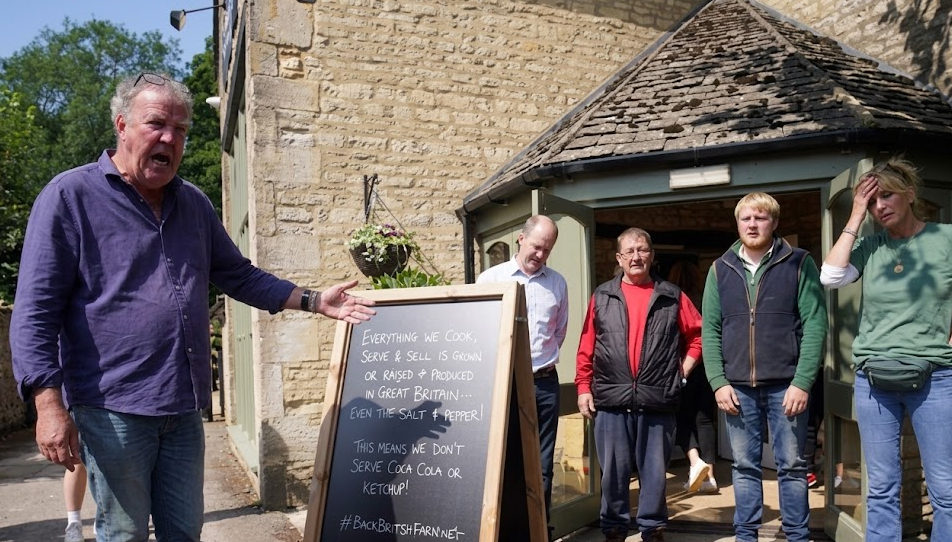
When Prime Minister Starmer publicly dismissed the premiere as a mere “celebrity streaming script,” he inadvertently proved the show’s entire point. The fatal flaw of current government policy is not just the economics—it is the profound, systemic lack of empathy from an urban political elite who look at agriculture through spreadsheets rather than soil.
Jeremy Clarkson’s explosive retaliation—stating that Starmer “should learn to drive a tractor before teaching us how to farm”—resonated because it exposed that disconnect perfectly. Clarkson’s Farm Season 5 has weaponized reality television to show the British public the truth: the government is starving out its own countryside. The high-stakes battle for the soul of British farming is now streaming globally on Prime Video.