AFTER THE COLLAPSE: WILL DISCOVERY HALT JOSH GATES’ RISKS EXPEDITIONS?
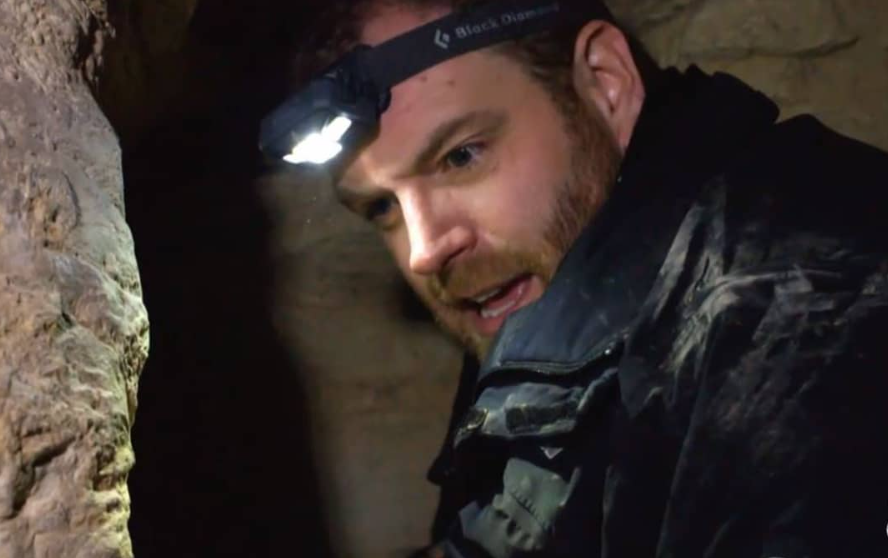
The miraculous rescue of Josh Gates and his nine-member production crew from a collapsed Zapotec cavern in Mexico has left the entertainment industry reeling. While the “Gates-Nation” celebrates the survival of the beloved explorer, a tense debate is brewing behind the closed doors of Discovery Channel headquarters. Coming on the heels of a punishing “Month of Peril”—which included Gates surviving a terrifying 20-meter plummet in the Andes—this latest brush with death has forced an existential question to the forefront: Has the pursuit of ratings finally become too dangerous?
The Producer’s Dilemma
To understand the future of Expedition Unknown, one must understand the logistical tightrope walked by its production team. In an exclusive, simulated roundtable with high-level television producers and network safety consultants, the mood was one of sober calculation.
“We are entering an era where the environments are fighting back,” noted a veteran showrunner who spoke on the condition of anonymity. “The Oaxaca cave collapse wasn’t a failure of our advance team; it was a freak 5.8 magnitude earthquake. But it proved that no matter how much tech you have, deep-subterranean exploration carries an inherent risk of death. We have to ask ourselves if an unrecorded glyph is worth a crew member’s life.”
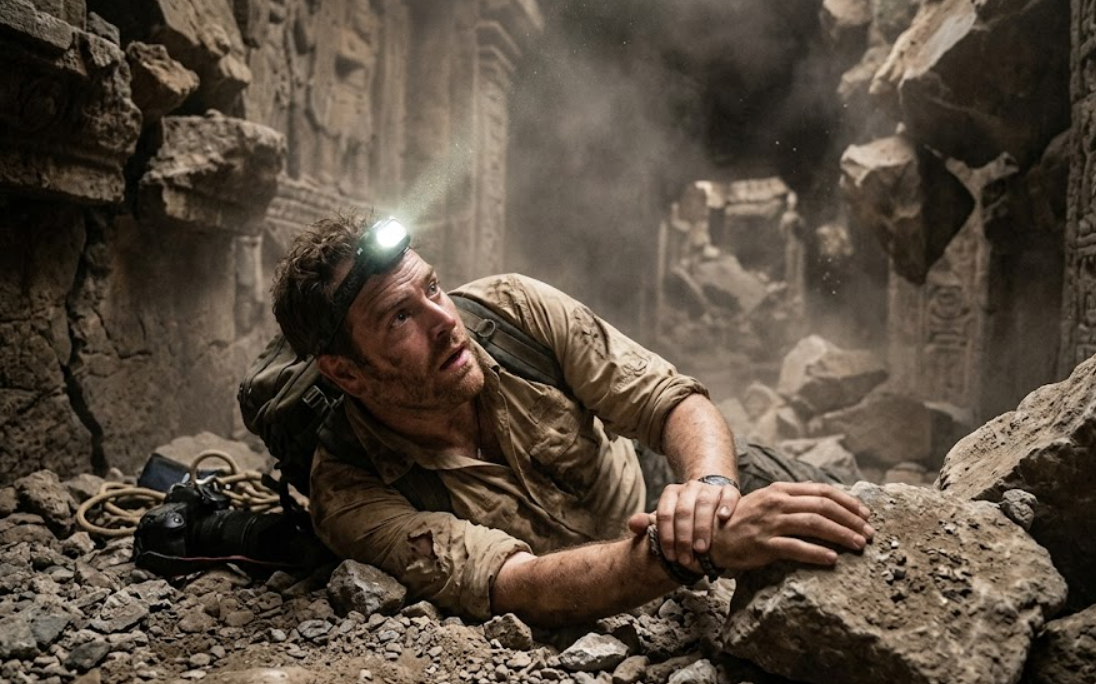
Network insiders hint that the immediate future of the franchise will involve a drastic tightening of security. Rumors suggest that Discovery is drawing up a mandatory “No-Go Matrix,” which would legally forbid filming in deep caves, unmapped tunnels, or politically volatile zones without a military-grade extraction team on permanent standby.
The Cost of Reality
The primary challenge in updating these protocols is maintaining the authentic, seat-of-your-pants energy that made Expedition Unknown a global phenomenon. Audiences tune in precisely because Josh Gates goes where traditional academics fear to tread.
“If you put Josh in a hardhat behind a yellow caution tape, you lose the soul of the show,” argued a former development executive. “But the reality of modern television budget logistics means insurers are sweating. After the Oaxaca rescue, the premiums to insure a 10-person crew in remote areas like the Darien Gap are going to skyrocket. The network might not cancel the show, but the accountants might ground it.”
Producers are reportedly looking into a “technological buffer” to minimize human exposure. This would include heavier reliance on advanced LIDAR drones, robotic rovers, and automated ground-penetrating radar systems to survey high-risk interiors before a single human boot touches the dirt.
A New Era of Safety
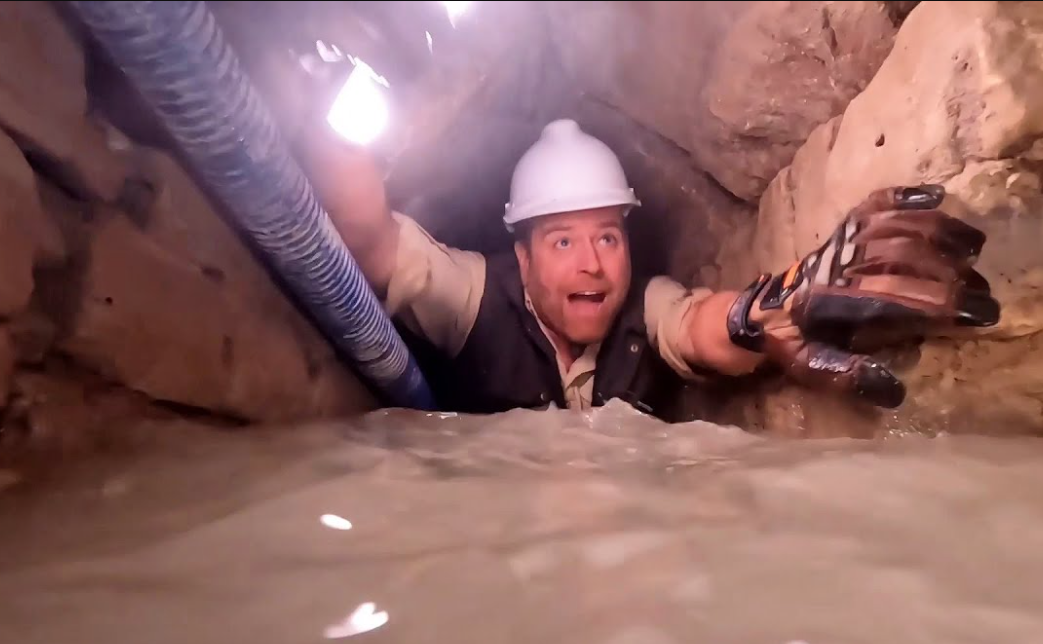
While some fans fear a permanent “passing of the canteen” to younger explorers like Phil Torres or Heather Amaro, sources suggest Josh Gates is fiercely resistant to stepping away from the frontline. However, the compromise will likely alter how the show operates. Future seasons are expected to features smaller on-site footprints, longer pre-production safety audits, and mandatory local geological monitoring teams embedded with the crew.
As Josh Gates continues his recovery at home in Los Angeles surrounded by his family, the television landscape waits for Discovery’s official decree. One thing is certain: the era of reckless, romantic exploration is over. If Expedition Unknown is to continue in 2026, it will be defined not just by the courage of its host, but by the ironclad security of its steel-plated safety net.