Missing The Titan Submarine: Josh Gates Reveals Why “Gave Ap” At The Last Minute: A Terrifying Truth?
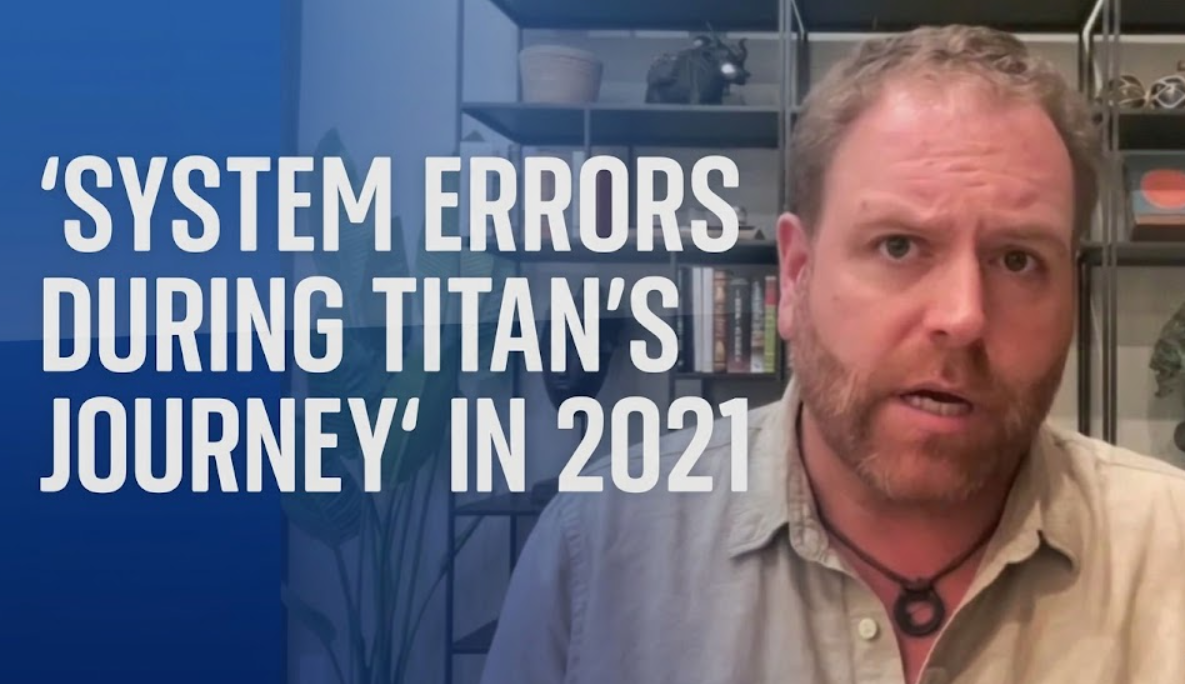
The disappearance of the Titan submersible, which was carrying five passengers to explore the wreckage of the Titanic, has sent shockwaves through the world of deep-sea exploration. While the focus remains on the search for the missing vessel, new revelations have emerged about concerns over its design, with a former passenger speaking out about their discomfort with the sub’s safety features prior to the ill-fated expedition.
In an exclusive interview, the former Titan passenger, who wishes to remain anonymous, shared their experience aboard the submersible, revealing that they had significant reservations about the vessel’s design. The passenger expressed feeling uneasy about the lack of comfort and the unconventional nature of the sub’s layout, which they said made them question its reliability. These comments shed new light on the ongoing investigation and add to growing concerns about the safety standards in the deep-sea tourism industry.
The Titan submersible, operated by OceanGate, is designed to carry tourists on expeditions to the Titanic wreck site at a depth of approximately 12,500 feet. This thrilling yet dangerous venture has attracted individuals eager to witness the historical site firsthand, but the recent tragedy has raised questions about the overall safety of such missions. The missing sub, which lost communication with surface vessels just over an hour into its dive, has been the subject of intense media scrutiny as authorities continue their search efforts.
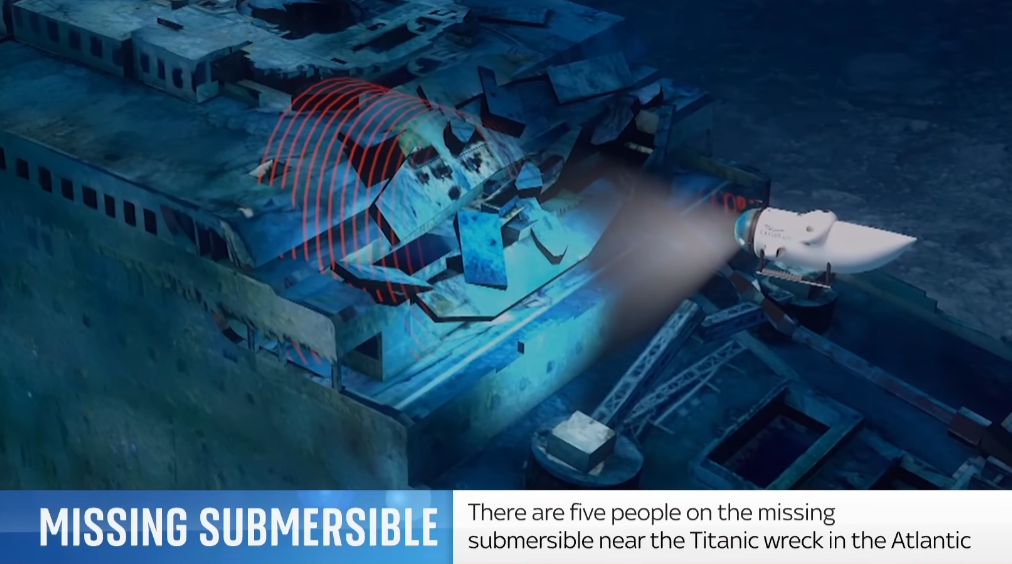
According to the former passenger, one of the primary issues was the design of the submersible’s cockpit, which the passenger described as cramped and uncomfortable. Unlike traditional submarines, the Titan’s interior is minimalist, designed to optimize space for the small crew and equipment. However, this design, while efficient for navigation and maneuverability, left little room for passengers to move freely or adjust their position during the dive. The former passenger noted that they had a hard time finding a comfortable seating position, which could lead to physical strain during long periods underwater. This discomfort, they suggested, may have contributed to the sense of unease that they felt during their expedition.
Moreover, the passenger raised concerns about the sub’s control system. The Titan uses a game-controller-style interface for navigation, a design that some in the deep-sea exploration community have criticized for being unconventional. While this method of control was marketed as easy to use, the former passenger admitted they had difficulty adjusting to the system during the initial stages of the journey. This unfamiliarity with the technology left them feeling uncertain about the sub’s ability to respond to unforeseen issues that might arise during the deep-sea dive.
Another aspect of the Titan’s design that raised red flags for the passenger was the lack of windows, which are typically found in many submersibles for visibility. Instead, the Titan relied on a camera feed and external sensors to provide situational awareness. Although this design allowed for a larger, uninterrupted viewing area for the passengers, it also meant that the individuals inside the sub had limited direct visibility of their surroundings. In case of an emergency, this lack of visibility could have hindered the ability of the passengers to respond effectively to an urgent situation.
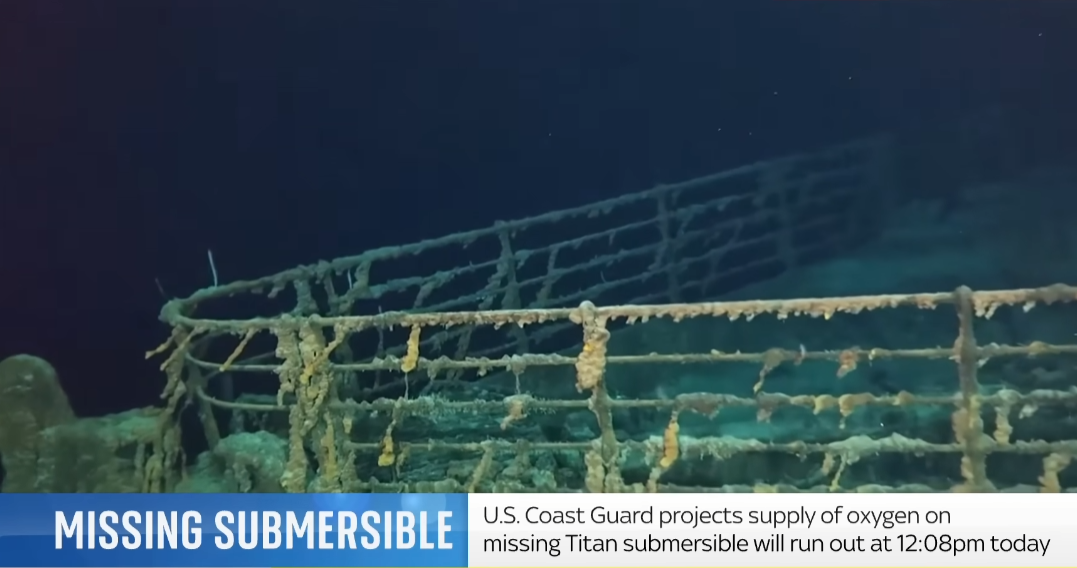
The comments from the former passenger come as the search for the missing Titan submersible continues. As of now, there are still no confirmed signs of the vessel’s location, and authorities are working around the clock to locate it. The incident has sparked intense debate within the deep-sea tourism industry, with many questioning whether companies like OceanGate are doing enough to ensure the safety of their passengers.
OceanGate has defended the design and operational procedures of the Titan, stating that the vessel is built to meet the highest safety standards in the industry. However, the tragic loss of the sub has led to renewed calls for greater transparency and stricter regulations within the industry. The revelation from the former passenger adds a new layer of complexity to this debate, highlighting potential flaws in the design that could have contributed to the vessel’s vulnerability in such a challenging environment.
As the investigation unfolds, the missing Titan submersible remains at the forefront of global attention. The tragedy has underscored the risks associated with deep-sea exploration, prompting a broader conversation about how to balance the thrill of adventure with the need for comprehensive safety measures. For now, the fate of the Titan and its passengers remains uncertain, but the incident has undeniably raised critical questions about the future of underwater tourism and the safety of these high-stakes expeditions.