THE BOOTLEGGER’S LABYRINTH: Josh Gates Uncovers Silver and Secret “Bomb-Proof” Distillery Tunnels
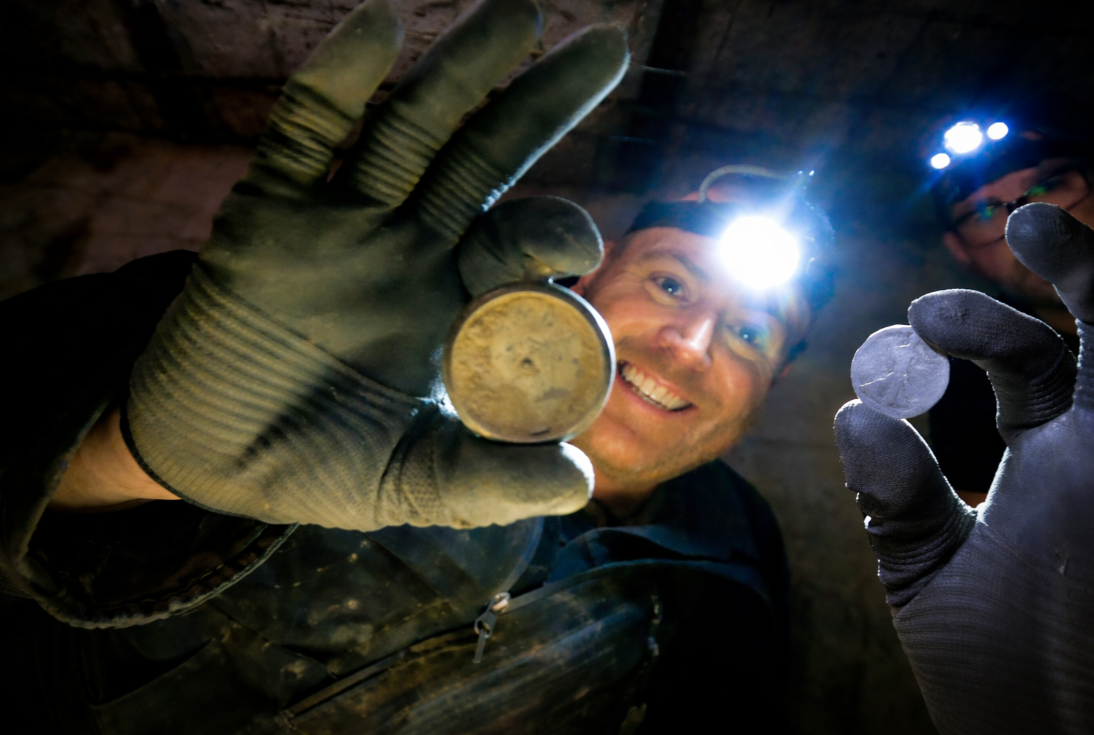
In a daring subterranean exploration that feels more like a Prohibition-era thriller than a modern archaeological dig, explorer Josh Gates and his Expedition Unknown team have successfully navigated a hidden network of bootlegger tunnels. The discovery, which includes silver currency and evidence of a massive clandestine moonshine operation, has revealed the sheer scale of the “secret underground highway” used by organized crime during America’s dry years.
Entering the “Moonshine Maze”
The expedition began with a “squeeze-through” entrance that led the team into a cramped, 60-foot-long horizontal passage. According to Gates, these tunnels served as a vital artery for moving illegal spirits beneath the property, shielded from the prying eyes of federal agents.
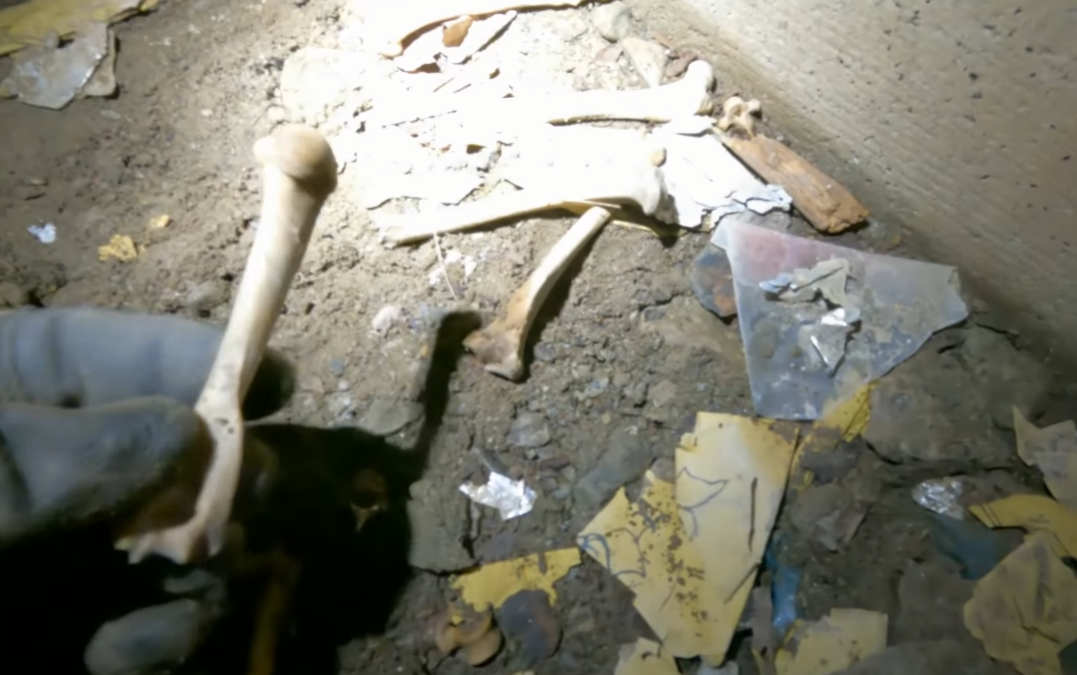
“Who knows what kind of maze is under our feet,” Gates remarked as the team shimmied through the narrow opening. Once inside, the team discovered a surprisingly stable environment littered with the remnants of the past, including animal bones and the ceramic tops of vintage moonshine jugs—shards of history that Gates described as “intoxicating” evidence of the site’s former life.
Silver and Seconds: The “Walking Liberty” Find
The investigation reached a fever pitch when Gates’ metal detector signaled a high-conductivity hit. Buried in the tunnel floor was a silver “Walking Liberty” half-dollar. Based on the coin’s design, which was minted between 1916 and 1947, the find perfectly aligns with the height of the Prohibition era.
“There were definitely people coming through these tunnels with money in their pockets,” Gates noted, holding the remarkably clean silver piece. Shortly after, the team recovered a “Westclox Dax” pocket watch, further cementing the timeline of the men who once scurried through these dark corridors.
The “Bomb-Proof” Cook Room
As the team pushed deeper, the singular tunnel branched into a complex system of multiple passages. Following a rusted ladder upward, the crew discovered a massive, reinforced door with heavy-duty hinges designed for extreme access control.
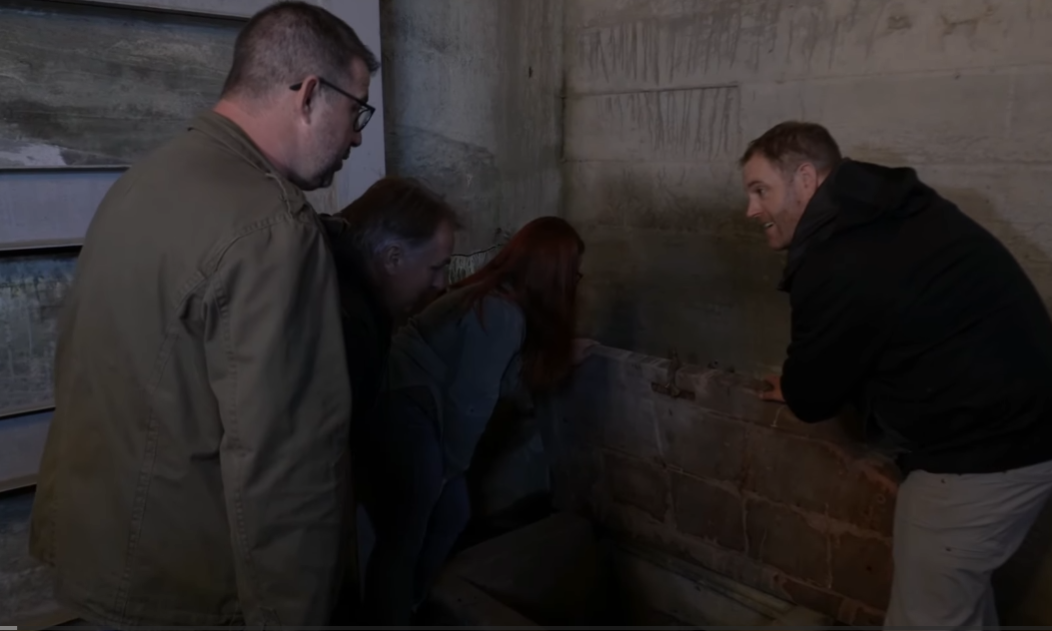
Behind the door lay a fortified room constructed of thick, “bomb-proof” concrete and brick. The team identified what appeared to be the remains of a furnace or industrial oven, likely used for large-scale distilling. “It looks like a chimney or vents where they were cooking moonshine,” said one team member. The structural integrity of the room suggests that the builders were prepared for both law enforcement raids and the volatile nature of high-proof alcohol production.
A Secret Exit into the Unknown
The most surprising turn of the expedition occurred when the team followed an uphill slope that led away from the main distillery. The tunnel eventually opened into the dilapidated basement of an abandoned, overgrown house on the edge of the property.
The discovery proved that the labyrinth extended across the entire estate, crossing beneath roads to connect the distillery directly to residential safe houses. This allowed for the seamless, invisible movement of contraband and provided a “secret escape” for the operators.
“We punched out into the basement of a house and literally just walked out the front door,” Gates reported back to the surface crew. “The tunnels go all the way under the road to the edge of the property.”
As the team returned to the surface to toast their findings, the discovery of the “Walking Liberty” and the fortified distillery room serves as a potent reminder of the ingenuity and engineering prowess of the underground world during one of America’s most rebellious eras.