THE FATE OF VANDERBILT’S GOLD: LEGAL AND ARCHAEOLOGICAL QUESTIONS SWIRL AROUND THE WRACKAGE OF THE ORUS
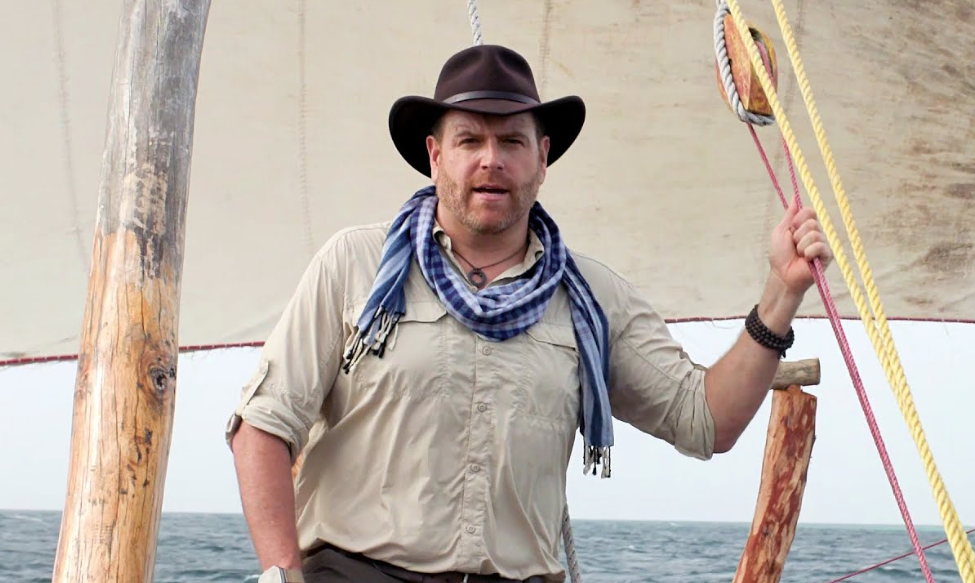
Of all the grueling, adrenaline-fueled investigations featured in recent television history, few have captured the public imagination quite like Josh Gates’ harrowing trek into the primordial wetlands of Central America. In a standout expedition for Discovery Channel’s Expedition Unknown, Gates and his elite team embedded themselves deep within the treacherous, predator-infested swamps of Nicaragua. Their objective? To locate the final resting place of the Orus, a legendary 19th-century steamship owned by the ruthless American tycoon Cornelius Vanderbilt. Now, as the post-season dust settles, the conversation has shifted from the thrilling television spectacle to a complex international debate: What will happen to the recovered wreckage, and who controls the fate of Vanderbilt’s lost legacy?
A Breathless Trek Into the Maw of Danger
The expedition itself remains one of the most widely discussed and analyzed chapters in modern adventure television. To locate the remains of the Orus—a vessel that played a pivotal role in Vanderbilt’s lucrative Accessory Transit Company during the California Gold Rush—Gates was forced to navigate an environment entirely hostile to human life.
Logistical briefs reveal that the crew endured days wading through black, opaque swamp waters teeming with massive caimans, aggressive bull sharks, and highly venomous lancehead vipers. Armed with specialized underwater metal detectors and ground-penetrating sonar, the team pushed through suffocating humidity and shifting mud banks. The climax of the episode, which saw Gates successfully identify structural timber fragments and metallic rivets matching the mid-19th-century steamer, left millions of viewers on the edge of their seats, instantly sparking a global fascination with the forgotten maritime corridor.
The Post-Season Dilemma: Preservation vs. Salvage
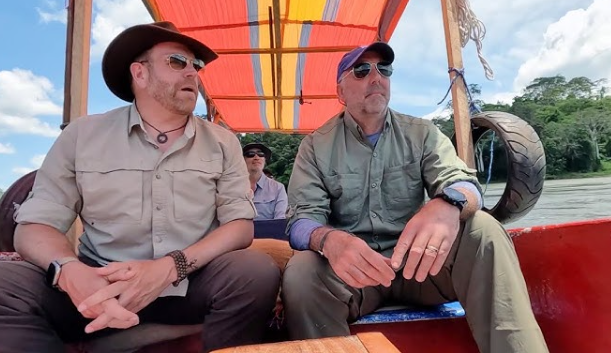
However, the thrilling discovery has triggered a wave of urgent legal and archaeological questions from a fiercely observant fandom. Across digital forums and maritime history communities, the “Gates-Nation” has continuously pressed for official updates regarding the physical fate of the artifacts.
The core of the debate centers on ownership and long-term conservation. Because the fragments of the Orus sit within the sovereign jurisdiction of Nicaragua, any historical material recovered is subject to strict national patrimony laws. Fans are asking a critical question: Will the preliminary clues and structural fragments uncovered by the production team be formally preserved in a state museum by the local government, or will they be left to decay in the acidic swamp waters?
Furthermore, high-level rumors within the marine salvage community suggest that several private maritime archaeology groups are attempting to leverage Gates’ coordinates to fund a massive, full-scale commercial salvage operation. The prospect of private entities extracting Vanderbilt’s history for corporate gain has sent ripples of concern through academic circles.
Navigating the Legal Waters
“An excavation of this magnitude is a legal and diplomatic minefield,” explains Dr. Helena Vance, a leading maritime attorney specializing in historic shipwrecks. “Vanderbilt’s operations in Nicaragua were tied to complex 19th-century concessions. Today, international treaties like the UNESCO Convention on the Protection of the Underwater Cultural Heritage advocate for leaving these sites intact unless a highly controlled, non-commercial scientific framework is established. A commercial salvage campaign would face immense legal resistance from both international historians and local authorities.”
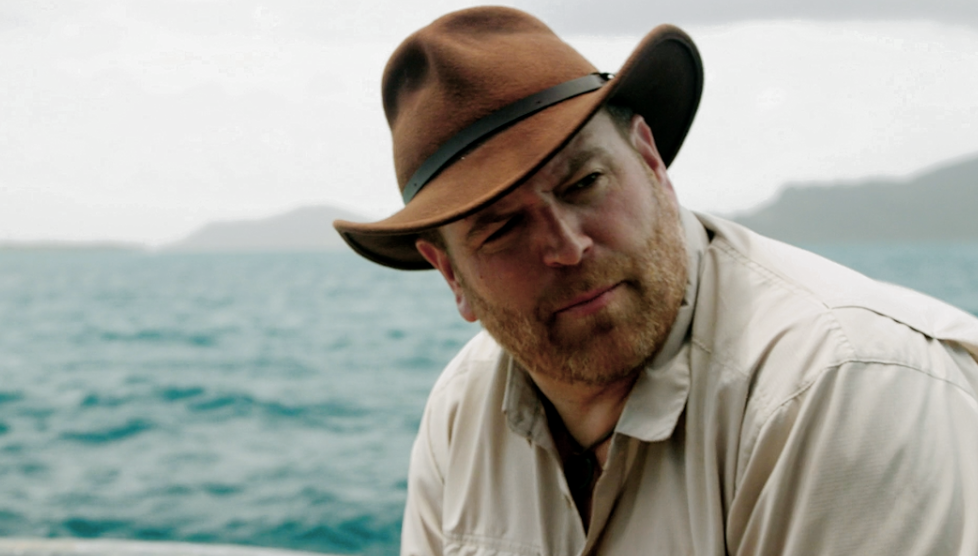
As it stands, neither Ping Pong Productions nor the Nicaraguan Ministry of Culture has finalized a public declaration regarding a future expedition. While purists hope for a government-backed, scientifically sound excavation to safely house the Orus artifacts in Managua, the logistical costs of operating heavy machinery in a snake-infested swamp remain a massive deterrent. For now, the fragments of Vanderbilt’s empire remain safely guarded by the very predators that protected them for over a century, leaving the world to wonder when—or if—the full story of the Orus will finally be pulled from the mud.