The Ghost and the Darkness: Unveiling the Truth Behind the Tsavo Man-Eaters
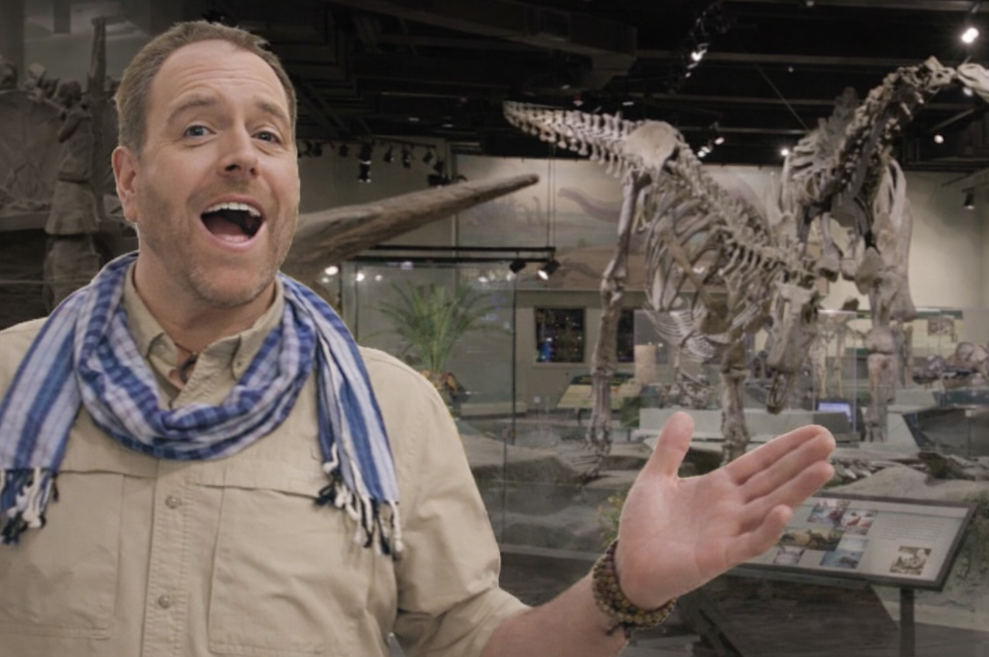
In the annals of natural history and colonial lore, few stories are as chilling as that of the Man-Eaters of Tsavo. In the late 1890s, during the construction of the Uganda-Mombasa Railway in East Africa, two maneless male lions embarked on a nine-month reign of terror. According to historical accounts, these “serial killers” of the animal kingdom killed and consumed a staggering 135 railway workers. For over a century, the legend has been shrouded in mystery, but recent investigations by Josh Gates and experts at Chicago’s Field Museum are finally bringing the truth to light.
The Legend of the Den
One of the most enduring parts of the Tsavo legend is the “Lion’s Den.” British Colonel John Henry Patterson, who eventually hunted and killed the beasts in 1898, claimed to have found a cave filled with human remains—a macabre trophy room for the predators. For nearly a hundred years, this cave remained lost to the wilderness.
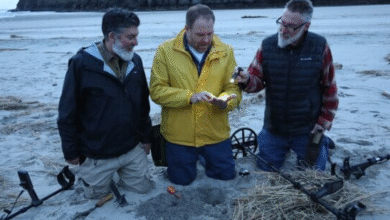
Josh Gates, alongside researcher Julian Kerbis Peterhans, embarked on a journey to rediscover this site. Using Patterson’s original 1898 photographs as a guide, they successfully located the cave by matching geological fractures and rock formations. However, the discovery came with a scientific twist. While Patterson assumed the lions lived there, modern science reveals that lions do not typically use dens in this manner. The bones found in the cave were likely dragged there by hyenas—scavengers that collected the remains of the lions’ victims. This clarification doesn’t debunk Patterson’s story but rather adds a layer of biological accuracy to the historical narrative.
Why Humans? The “Applesauce” Theory
The Field Museum in Chicago has housed the taxidermied remains and skulls of the Tsavo lions since the 1920s. For years, scientists like Tom Gnoske have studied these specimens to answer one fundamental question: Why did these lions turn into man-eaters?
The answer lies in their teeth. Upon close inspection of the skulls, researchers found that both lions suffered from severe dental disease and broken teeth. In the wild, a lion with a massive toothache cannot easily take down a 500-pound buffalo or a struggling zebra. To these injured predators, humans were “soft food”—slow, weak, and defenseless. As Josh Gates aptly put it, in the eyes of a suffering lion, humans are effectively the “applesauce of the animal kingdom”. These lions didn’t hunt humans out of malice, but out of a desperate need to survive while being physically incapable of hunting their natural prey.
Hidden in Plain Sight: The Final Evidence
Perhaps the most startling revelation came from within the lions’ broken teeth. For 126 years, a “plug” of debris had been lodged inside the hollowed-out cavity of one lion’s damaged tooth. When researchers finally pried it out, they discovered a compacted core of hair.
Microscopic analysis confirmed a haunting truth: among the animal fur was human hair. This serves as the ultimate forensic “smoking gun,” a physical remain of a victim trapped for over a century within the very instrument of their demise. It transforms a legendary tall tale into a tragic, confirmed reality.
Conclusion
The story of the Tsavo man-eaters is no longer just a ghost story or a Hollywood plot. Through the combination of historical accounts, field expeditions, and modern forensic science, we now understand these creatures as biological anomalies driven by pain and necessity. As they stand on display in Chicago, they remain a powerful reminder of the thin line between the human world and the raw, unforgiving reality of nature.