“The Jungle Doesn’t Play Favorites”: Josh Gates Reveals the True Sequence of Events Behind His Amazon Collapse
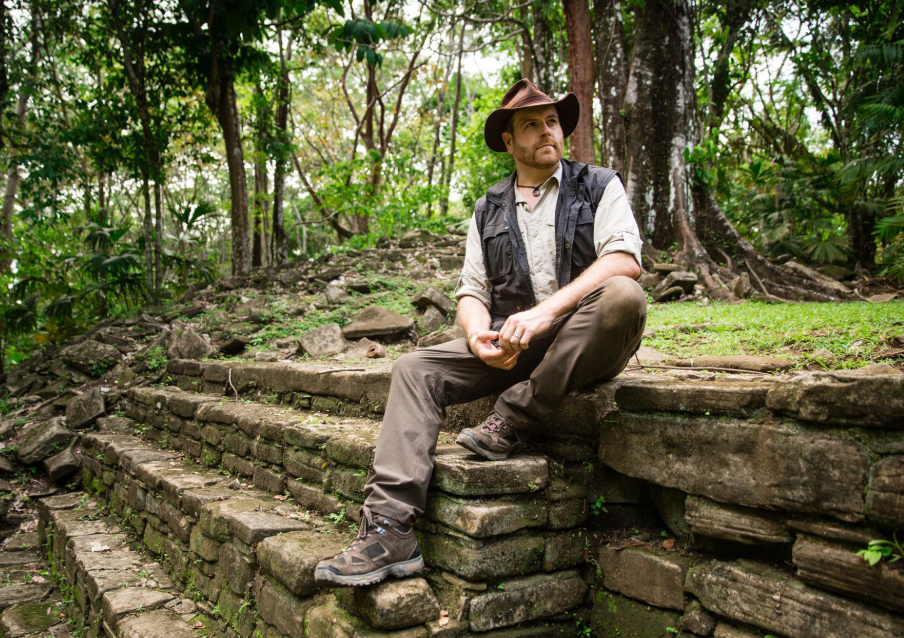
For weeks, the headlines were dominated by speculation. Was it a pit viper? A rare tropical parasite? A brush with a hostile tribe? Now, sitting in his study in Los Angeles just days after returning from Brazil, Josh Gates has finally broken his silence. In a candid and deeply personal account, the Expedition Unknown host revealed the grueling reality of his mission into the “Region of the Mist” and the exact chain of events that led to his high-profile medical evacuation.
“There is a romanticized version of exploration that we see on TV,” Gates said, leaning back with a tired but steady smile. “But 2025 gave me a brutal reminder that the jungle doesn’t care about your filming schedule or your pedigree. It just waits for you to make a mistake.”
The Objective: The City of the Jaguar
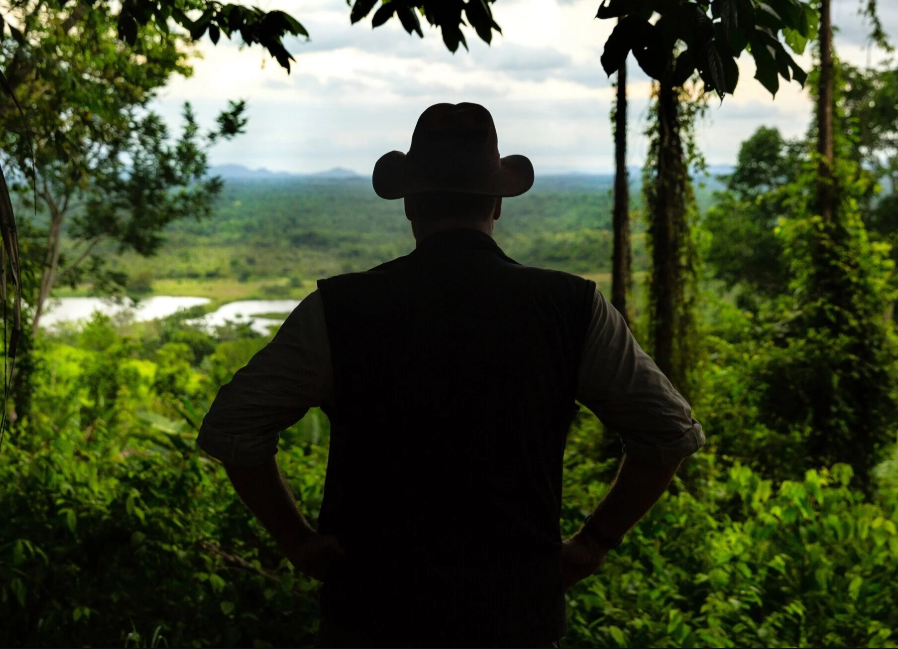
The mission was one of the most significant of Josh’s career: locating a rumored pre-Columbian stone complex dubbed the City of the Jaguar. Hidden deep within the Amazonian interior, the site required an eleven-day trek through primary rainforest—a “green wall” so dense that the sun rarely touched the forest floor.
“We were pushing into territory that hadn’t seen a human footprint in centuries,” Josh recounted. “The terrain was vertical, the mud was waist-deep in places, and the humidity was so thick you felt like you were breathing through a wet sponge. But we were close. That’s the dangerous part—when the goal is in sight, you stop listening to your body.”
The “Perfect Storm” of Exhaustion
Josh detailed how the collapse wasn’t a sudden accident, but a slow-motion train wreck that began days earlier. By Day 8, the team was operating on less than four hours of sleep per night, battling a constant barrage of insects and the psychological toll of the deep jungle.
“It’s a phenomenon I call the ‘One More Mile Fallacy,'” Josh explained. “You tell yourself, ‘Just one more ridge, just one more hour of light.’ I was severely dehydrated because the water filtration systems were struggling with the silt, and I was likely burning 6,000 calories a day. I was running on adrenaline and caffeine, and eventually, the tank just ran dry.”
On the morning of the collapse, Josh described a sensation of “tunnel vision.” He recalled documenting a massive stone plinth in the central plaza of the ruins when his internal thermostat simply broke.
“I remember the camera light looking like a tiny sun,” he said. “The world started spinning, and my legs felt like they were made of lead. I didn’t get bitten by a snake. I didn’t get attacked. My body just turned the lights out. It was a total systemic shutdown brought on by acute heat stress and physical burnout.”
The Reality of the Rescue
Josh was quick to praise his production crew and local guides, whose training saved his life. When he lost consciousness, the team didn’t panic. They immediately administered IV fluids from their emergency kits and cleared a small “LZ” (landing zone) for the Brazilian medical helicopter.
“I woke up in the air,” Josh whispered. “Looking down at that canopy and realizing that the jungle almost kept me. It’s a humbling feeling. You go in there feeling like an explorer, and you come out realizing you’re just a guest who overstayed his welcome.”
Lessons for the 2026 Season
As he continues his recovery, Josh is adamant that this experience has changed his approach to the “Great Unknown.” While the discovery of the City of the Jaguar is a career-defining achievement, he admits the cost was nearly too high.
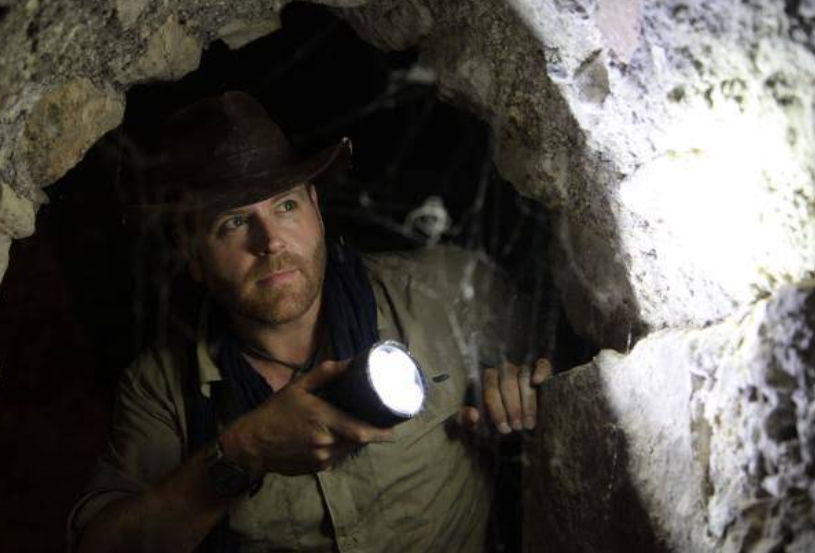
“I’m not hanging up the boots,” Josh concluded, patting his signature fedora on the desk. “But I am learning to listen to the silence. The 2026 season will be just as adventurous, but we’re going in smarter. We’re going in with more respect for the limits of the human machine.”
As the explorer prepares to return to the field for his upcoming mission in the Philippines, the story of his Amazon collapse serves as a stark reminder: in the world of exploration, the greatest discovery you can make is knowing when to stop.