The Shroud of Turin: A Divine Mystery or a Medieval Masterpiece?
The Shroud of Turin remains one of the most studied and controversial artifacts in human history. To some, it is the actual burial cloth of Jesus Christ, imprinted with a miraculous image of his body. To others, it is a sophisticated medieval forgery. As science evolves, the quest to uncover the truth behind this ancient linen continues to captivate the world.
A Miraculous Discovery or a Calculated Fraud?
The story of the Shroud of Turin first emerged in the mid-14th century. It is a 14-foot-long linen cloth bearing the faint, sepia-colored image of a man who appears to have suffered the physical trauma of crucifixion. For centuries, it was held in the Cathedral of Saint John the Baptist in Turin, Italy, where millions of pilgrims flocked to catch a glimpse of what they believed was a direct link to the central figure of Christianity.
However, the shroud’s authenticity was called into serious question in 1988. In a landmark scientific event, three independent laboratories in Oxford, Zurich, and Arizona were given small samples of the cloth for radiocarbon dating. The results were bombshell: the labs concluded with 95% confidence that the linen dated between 1260 and 1390 AD. For many in the scientific community, the case was closed—the Shroud was a medieval creation.
The Mystery of the Image
Despite the carbon dating results, the “how” behind the Shroud remains an enigma that defies simple explanation. The image on the cloth is not a painting; there are no traces of pigment, ink, or brushstrokes. Furthermore, the image is a “negative”. This was discovered in 1898 when photographer Secondo Pia first took a picture of the Shroud and realized that the darks and lights were reversed on his photographic plate, revealing a strikingly detailed and realistic face.
Modern investigators have noted that the image only sits on the very top layer of the linen fibers, appearing as if it were scorched or chemically altered by a brief burst of intense energy. Some theorists suggest a “resurrection radiation” event, while others look for more terrestrial explanations.
New Perspectives: Leonardo da Vinci and the Templars
The Expedition Files explores intriguing alternative theories that challenge both the 1988 dating and the “holy relic” narrative. One compelling theory suggests that the Shroud might be a secret masterpiece by Leonardo da Vinci. Proponents of this idea point to Leonardo’s fascination with optics and the camera obscura, suggesting he may have used an early form of photography to project his own face onto the linen.
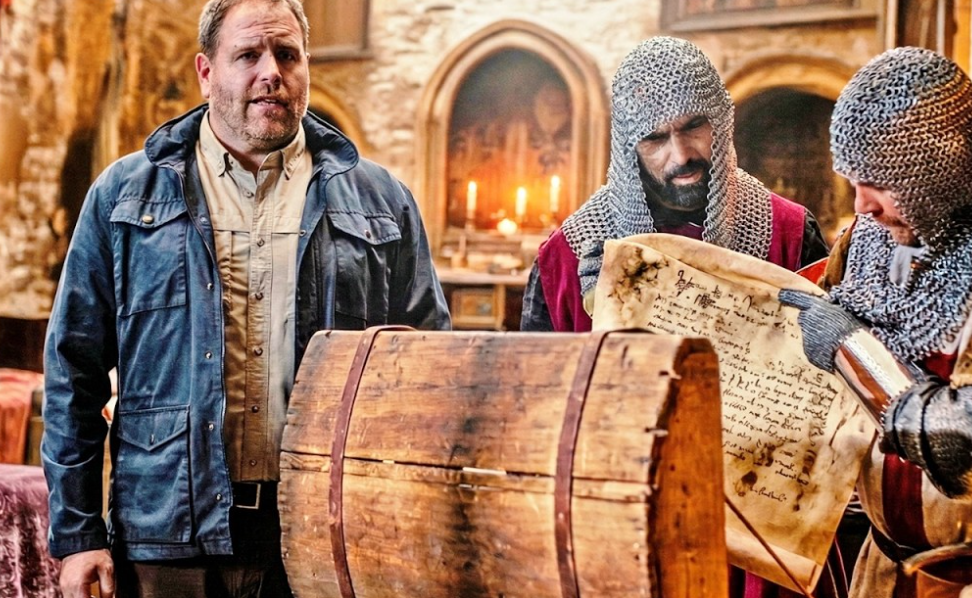
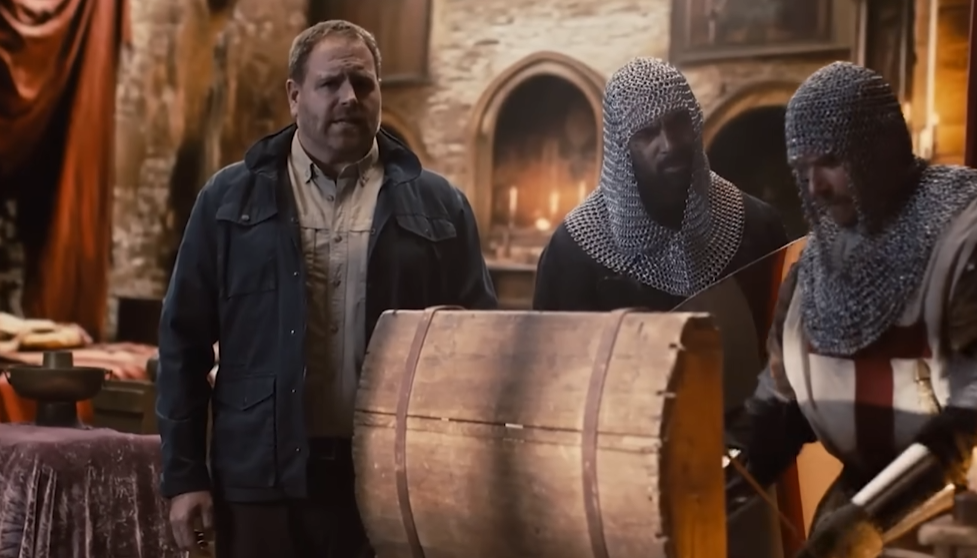
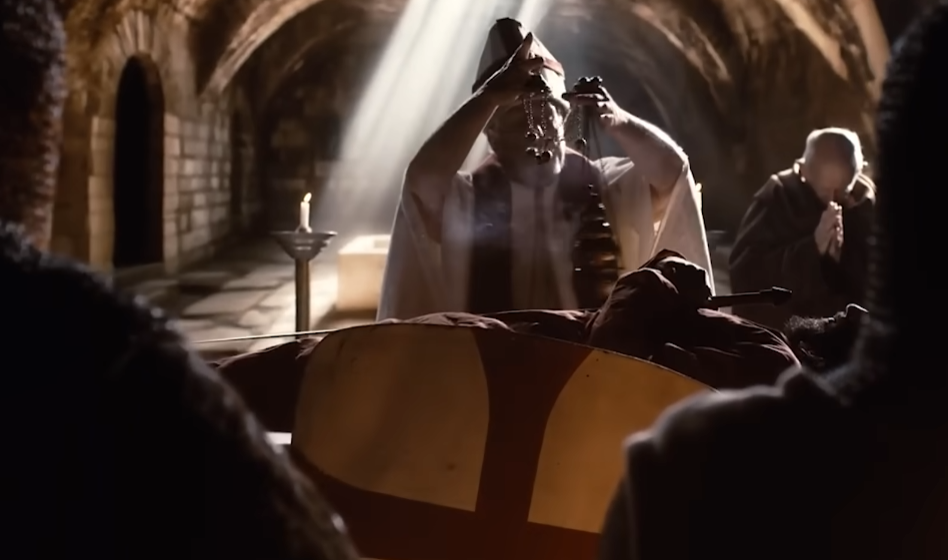
Another theory links the cloth to the Knights Templar. Some historians believe the Templars possessed the Shroud during the Crusades and used it in their secret initiation ceremonies. This would explain the “gap” in the Shroud’s history before its public appearance in 1354.
The Debate Endures
Recent studies have attempted to debunk the 1988 carbon dating, arguing that the samples taken were from a medieval repair patch rather than the original cloth. Furthermore, tests on pollen grains found in the fabric suggest origins in the Middle East, specifically around Jerusalem.
Ultimately, the Shroud of Turin sits at the intersection of faith and science. Whether it is a miraculous imprint of the Son of God or the world’s first photograph created by a Renaissance genius, it remains a powerful symbol. As technology advances, we may one day have a definitive answer, but for now, the Shroud remains a silent witness to a mystery that refuses to die.